Hawa Mahal and City Palace in Jaipur: what each is and how to see both
The Hawa Mahal is a five-storey screen of small windows built so royal women could watch street life unseen, best admired from the road in the morning. The City Palace is the royal complex of courtyards, museums and halls that you walk through. They sit close together in the old city, so most visitors see both in one relaxed morning, facade first, palace second.
Jaipur's old city is a walled grid painted in a soft rose colour, and two of its best known buildings stand almost side by side. People often mix them up, or assume they are one attraction. They are not. One is mostly a face to look at, the other is a place to walk through.
This guide explains what each building is, how they differ, and how to fit them into a single morning without rushing. Everything here is widely established history; opening hours and closing days change, so we confirm them when we plan your day.
What is the Hawa Mahal?
The Hawa Mahal, often called the Palace of Winds, is a tall facade on one of the old city's main streets. It was built at the very end of the eighteenth century under Maharaja Sawai Pratap Singh, and Lal Chand Ustad is the architect usually named for it. It is made of red and pink sandstone, with delicate white detailing.
Its most famous feature is the honeycomb of small latticed windows, often quoted at over nine hundred. They were designed so that the women of the royal household could watch processions and daily life in the street below without being seen from outside. The lattices also let air move through, which is where the name comes from.
It is helpful to know that the Hawa Mahal is really a front screen attached to the women's quarters of the City Palace, not a palace you live in. Behind the famous facade, the building is narrow, with small rooms, ramps rather than grand staircases, and open courtyards. You can go inside and climb up for a view over the street, but the main pleasure is the outside.
What is the City Palace?
The City Palace is the royal complex at the heart of the old city. It dates from the founding of Jaipur in the early eighteenth century under Maharaja Sawai Jai Singh II, and later rulers added to it over time. Part of it is still associated with the former royal family, and part is open as a museum.
Inside you pass through a sequence of gates and courtyards. Highlights usually include the Mubarak Mahal, which now holds textiles and costumes, the Diwan-i-Khas, where very large silver vessels are displayed, and Pritam Niwas Chowk, known for four small doorways decorated with seasonal motifs, including a much photographed peacock gate. The Chandra Mahal, the tall residential building at the back, is a working royal residence and is not open in the same way as the rest.
The mood is different from a fort. There are no steep climbs, the rooms are shaded, and the displays of arms, textiles, paintings and manuscripts give a feel for court life. It rewards an unhurried, curious visit.
Hawa Mahal vs City Palace: which one is worth your time?
If you only have a short window, the honest answer is that the Hawa Mahal needs less time and the City Palace gives more. The facade can be enjoyed in twenty to thirty minutes from the street, with a short climb inside if you wish. The City Palace is worth at least an hour and a half, and longer if museums interest you.
Travellers who love photography and architecture tend to prefer the Hawa Mahal for the picture. Travellers who like stories, objects and rooms tend to prefer the City Palace. Most people, once they are there, are glad to have seen both, and since the walk between them is short, there is little reason to choose.
One practical point: many visitors take their photograph of the Hawa Mahal from a cafe or rooftop terrace across the road rather than from the pavement, because the street is busy and the building is tall. Ask your guide or driver where to stand.
How to see both in one morning
A good order is the Hawa Mahal first, then the City Palace. The facade faces east, so it takes the early light and glows in the morning. By midday it is flatter and the street is crowded. After a short stop at the facade, walk or drive the few minutes to the palace and spend the rest of the morning there.
The nearby Jantar Mantar, the eighteenth-century observatory built by Jai Singh II with large stone instruments, stands next to the City Palace. It is a short and interesting add-on if you are curious about astronomy, and it is best with a guide who explains what the instruments do.
On our private journeys the car and driver wait while you visit, and your Jaipur guide walks you through. Because the old city streets are narrow and congested, the driver and guide agree the drop-off point and the meeting point in advance, so you are not searching for each other in a crowd.
Timing, light and the best season
Morning is the kindest time for both places. The light on the Hawa Mahal is warm, the City Palace courtyards are quieter, and in the hotter months you finish before the heat peaks. October to March is the comfortable season in Jaipur. April to June is hot, so an early start matters more than anything else.
The old city has its own rhythm. Some shops and bazaars open later in the morning, and traffic around the palace builds steadily. Arriving early gives you an easier approach as well as better light.
Opening hours, ticket categories and any weekly or festival closures can change, so we check them at the time of planning rather than rely on a fixed schedule printed in a guide. Tickets are arranged for you as part of the journey.
What to wear and what to expect inside
Dress for walking and for a respectful visit. Comfortable shoes matter because courtyards are paved in stone and there is a fair amount of standing. Light, covering clothes work well in the sun. Because part of the palace is a royal residence, a calm, modest approach is appropriate.
Photography rules vary by room and may differ for still cameras and video, and some areas restrict it entirely. Your guide will tell you where you can use a camera.
If you want a quiet pause, the courtyards are good places to sit for a few minutes. Many visitors also like to browse the textile and craft shops in the surrounding bazaars afterwards, and a guide can point you to well-regarded places without any pressure to buy.
Where this fits in a Golden Triangle journey
Most travellers meet Jaipur on the third leg of a Delhi, Agra and Jaipur route. The Amber Fort usually takes one half of a day and the old city the other. If you have only one full day, pairing the Amber Fort in the morning with the City Palace and Hawa Mahal in the afternoon is possible, though the older city is nicer early.
If you would like Jaipur to feel less compressed, a second night helps a great deal. We shape the days when we plan your private journey, taking your pace and interests into account.
People also ask
Can I go inside the Hawa Mahal?
Is the Hawa Mahal part of the City Palace?
How long do I need for the Hawa Mahal and City Palace together?
What is the best time of day to photograph the Hawa Mahal?
Can I visit the Chandra Mahal at the City Palace?
Is a guide needed in the City Palace?
Take it privately
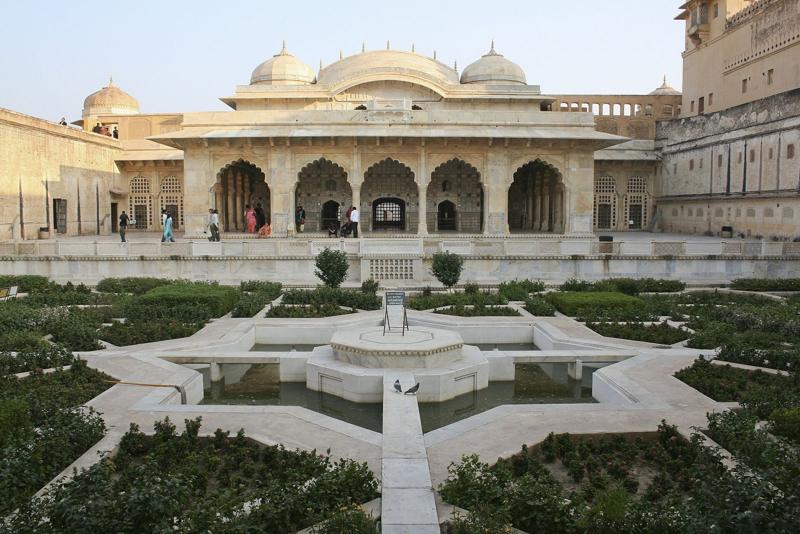
Jaipur day trip from Delhi
A long, rewarding day to Jaipur by private car, covering Amber Fort, the City Palace and the Hawa Mahal with a licensed local guide.
Agra and Jaipur, three days
A three-day run that starts with the Taj Mahal at first light, then drives to Jaipur via Fatehpur Sikri and gives a full day to the Pink City.
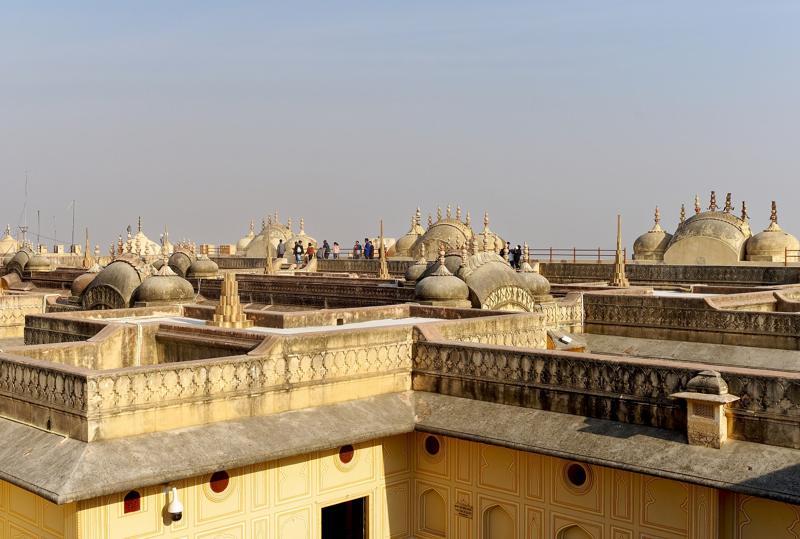
Jaipur and Udaipur
A five-day Rajasthan journey that pairs pink Jaipur with lake-side Udaipur, with a private car and driver for the long road between them.
Related guides
Tell us when you are travelling.
A short message is enough. We will come back with a plan, personally.
Enquire