Go to Amber Fort early in the morning, ideally close to opening time, when the light is soft, the heat is low and the courtyards are quiet. Allow two to three hours to see the main courts, the Sheesh Mahal and the views over Maota Lake. October to March is the most comfortable season.
Amber Fort sits on a ridge about 11 km from the centre of Jaipur and is the city's main historic site. It was the seat of the Kachwaha rulers before they moved to Jaipur in the eighteenth century, and it is part of the UNESCO listing for the Hill Forts of Rajasthan.
It is a big, layered place with ramps, stairways and several courtyards. This guide covers when to go, how to enter, what to look for and how to avoid the common mistakes.
When is the best time to visit Amber Fort?
Morning is best. Arrive near opening time and you will have the ramps and the Jaleb Chowk courtyard almost to yourself for the first part of the visit. The sun is low, the stone looks warm, and tour groups have not arrived yet.
By late morning the main courtyards fill with groups and the sun is overhead. In summer the stone holds heat badly, and the ramps become tiring. Afternoons are fine in winter but busier.
By season, October to March is the most comfortable. April to June is hot, and early mornings are the only sensible window. July to September brings monsoon: the hills turn green and the lake fills, but rain can interrupt a visit.
Think about the direction of the light too. The main facade faces the lake, and early light brings out the warm colour of the sandstone and marble. If photography matters to you, tell your guide and plan the visit before the harsh midday glare.
How you reach the fort and get in
Your car drops you near the lower approach. From there you climb the main ramp on foot, or you can take a jeep up to the main gate. Elephant rides have long been a feature here, but welfare concerns have grown, and we do not arrange them. Walking the ramp is easy enough for most people and gives you the best views.
Entry is by ticket, bought at the counter or online depending on the day. On a private journey the tickets are arranged for you, so you do not queue. Carry a photo ID, as it can be asked for at some Rajasthan monuments, and check what bags are allowed on the day.
Closed days and hours can change for festivals or maintenance, so your guide confirms them in advance.
Once you are through the main gate, take a moment in the first courtyard before you rush upward. The scale of the place is easiest to understand from the bottom, looking up at the walls and bastions that climb the ridge. Your guide can point out the long defensive wall that runs along the hills, sometimes compared to a smaller version of a great wall.
What to see inside
The first big space is Jaleb Chowk, the main courtyard where soldiers once assembled. From it a flight of steps leads to the Singh Pol and the Diwan-i-Aam, the public audience hall with a double row of carved pillars.
The best-known part is Ganesh Pol, a richly painted gateway that leads into the private palace. Beyond it you find the Sukh Niwas with its cooling water channel, and the Jai Mandir with the Sheesh Mahal, the hall of mirror work, where tiny mirrors and coloured glass catch light from a single lamp.
Do not rush the upper terraces. Small rooms there have carved screens that give views over Maota Lake and the walls that climb the hills. A guide will show you details that are easy to walk past alone, such as the way the lattice windows were meant to let breezes in while keeping people inside unseen.
The Sheesh Mahal is the room people remember, and it rewards patience. The ceiling and walls are set with thousands of tiny mirror pieces, and the effect is best when you stand quietly and let your eyes adjust. Photography rules inside can change, so follow the signs and your guide's advice.
How long to allow
Two to three hours is comfortable for most people. If you love architecture or photography, three or four is better. If you are short of time, a focused hour and a half will cover the main courts and the Sheesh Mahal, though it will feel quick.
Many travellers pair Amber with a stop at the viewpoint on the road below for a photograph of the fort across the lake, and some like a short look at the nearby Panna Meena ka Kund stepwell. Both add to the morning without taking long.
If you wish to go slower, split the visit: an hour for the courts and palace in the morning, then a break at a lakeside cafe or your hotel, and return to the viewpoint around dusk, when the walls are lit.
Amber Fort with Jaigarh and Nahargarh
Above Amber stands Jaigarh Fort, a defensive fort known for its large cannon and its views. Nahargarh looks over Jaipur from another ridge and is best at sunset. Amber is the palace; the others are the guard towers.
If you have a full day in Jaipur, a sound pattern is Amber in the morning, a late lunch, then City Palace, Jantar Mantar and Hawa Mahal in the afternoon, and Nahargarh for dusk if you still have energy. We shape this around your pace, not around a fixed list.
Kachwaha rulers held Amber for centuries, and the fort grew by stages, which is why it feels layered rather than planned. A guide can walk you through who built which part, and that story makes the place far more memorable than a list of buildings.
Practical tips: what to wear and bring
Wear comfortable shoes with grip. The ramps and stone floors can be slippery and uneven. Carry water, a hat and sunscreen. Dress modestly, with shoulders and knees covered, which is also more comfortable in the sun.
There are hawkers and touts near the entrance. Politeness and a firm no are enough. Having a guide and driver nearby takes most of the pressure off.
People with reduced mobility can still see the main courtyards by taking a jeep to the top, but there are many steps inside. Tell us in advance and we will plan what is realistic.
A small day bag is easiest. Large bags can slow security checks, and you will not want to carry weight up the ramps.
Seeing Amber as part of Jaipur
Amber works best as part of a slow two-night stay in Jaipur, not as a rushed stop between Agra and Delhi. Our private journeys include your own car and driver, and a licensed guide in Jaipur, so Amber can be done at the right hour. Hotels are arranged by category, and rates are on request when we plan.
People also ask
How much time do I need at Amber Fort?
Is Amber Fort worth visiting?
Should I do an elephant ride at Amber?
What is the best time of day to visit?
Is there an evening show at Amber Fort?
Is Amber Fort suitable for older travellers?
Take it privately
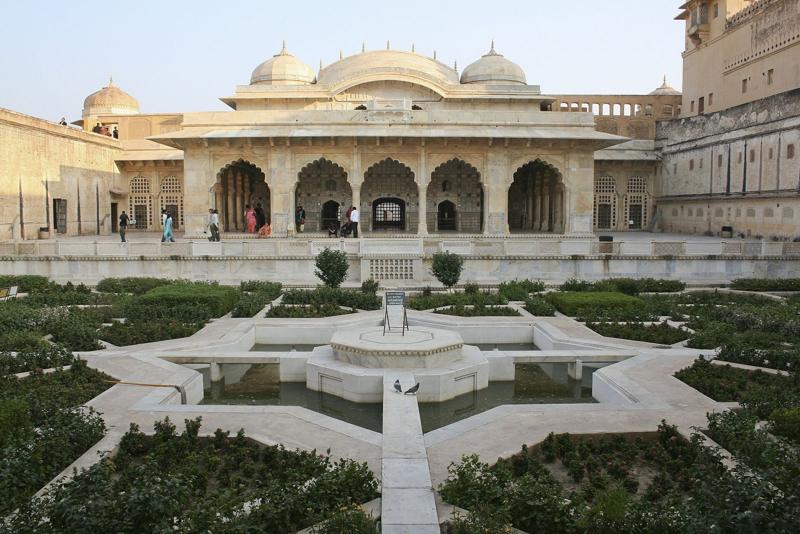
Jaipur day trip from Delhi
A long, rewarding day to Jaipur by private car, covering Amber Fort, the City Palace and the Hawa Mahal with a licensed local guide.
Jaipur overnight from Delhi
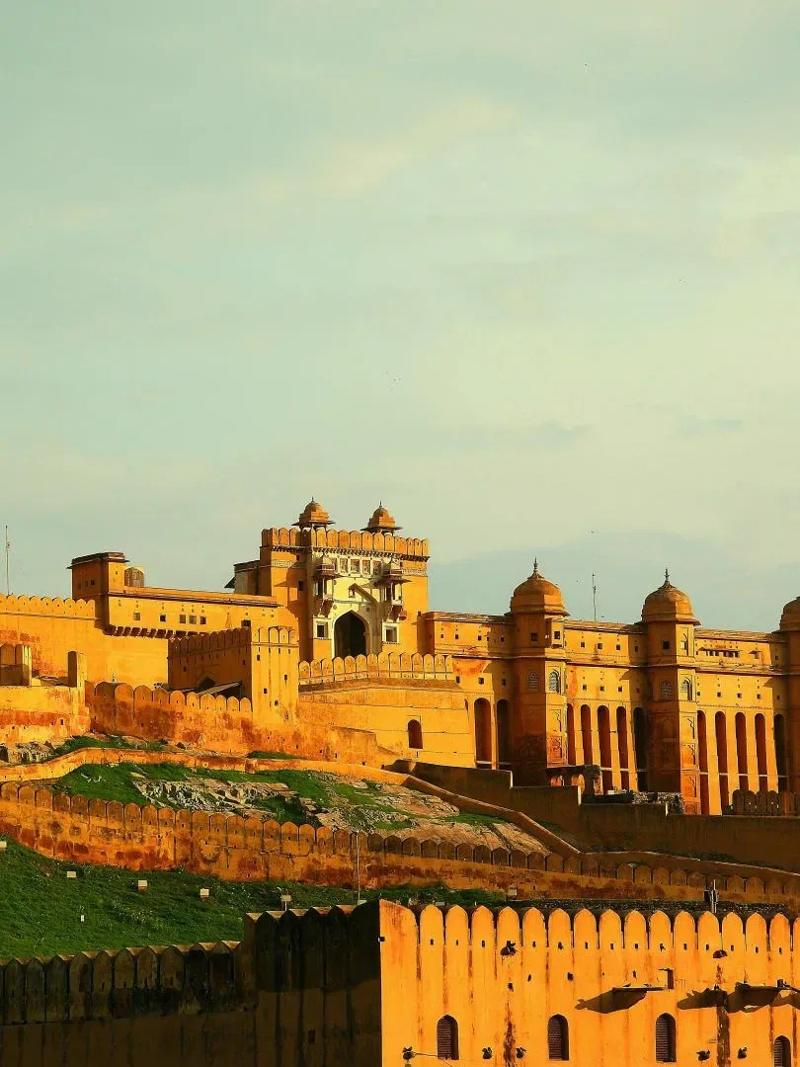
A compact two-day run from Delhi to the Pink City and back, with one full day of sightseeing and a night in a heritage or five-star hotel.
Agra and Jaipur, three days
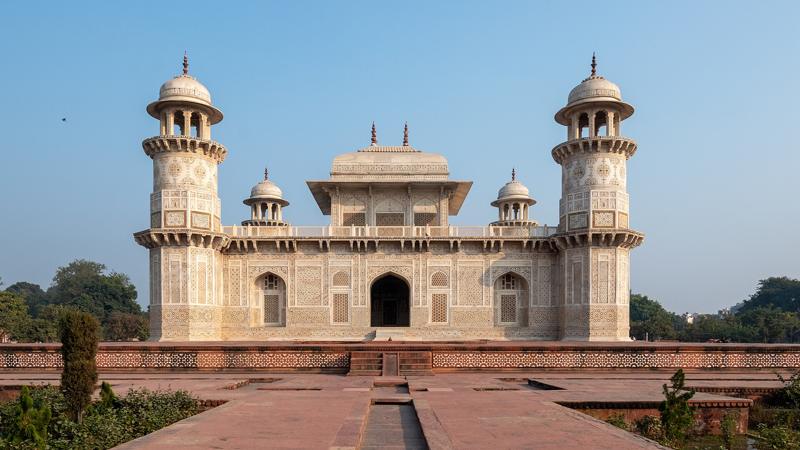
A three-day run that starts with the Taj Mahal at first light, then drives to Jaipur via Fatehpur Sikri and gives a full day to the Pink City.
Related guides
Tell us when you are travelling.
A short message is enough. We will come back with a plan, personally.
Enquire