The best time to visit Rajasthan is October to March, when days are warm and dry and nights are cool. November to February is the most comfortable and the busiest period. April to June is very hot, and July to September brings monsoon rain, which suits lakes and green hills but not every itinerary.
Rajasthan is a big state with a desert in the west and hills in the south, so conditions vary. But the pattern is clear across the main tourist cities: Jaipur, Jodhpur, Jaisalmer, Udaipur, Pushkar and Bikaner.
Here is what each season is like, what the months bring, and how to choose depending on your plans.
The short answer: October to March
From October to March the sky is mostly clear, humidity is low and sightseeing is easy. Daytime temperatures are pleasant, and evenings are cool enough that you may want a light jacket. This is when forts, palaces and desert camps are at their best.
The trade-off is crowds. Hotels fill, popular sights become busier, and early mornings matter more. Planning ahead makes a real difference in peak months.
If you can, aim for late October, November, February or early March, which are slightly quieter than the heart of December and January.
If you dislike heat, remember that even in winter the midday sun can feel strong. Layers, sun cream and a hat are part of the kit all year.
Think about the region as well as the month. Jaisalmer and Bikaner in the west feel the extremes most, with scorching days in summer and cold nights in winter. Udaipur and Mount Abu in the south are somewhat milder. Jaipur, Pushkar and Jodhpur sit in the middle of the range.
Winter: November to February
These are the classic months. Days are bright and mild, which is ideal for walking through Amber Fort, wandering the old quarters and spending time in the desert around Jaisalmer. Nights can be genuinely cold, especially in the desert, and early mornings can be chilly in open jeeps and on boats.
December and January can bring fog across north India, which affects Delhi and Agra more than Rajasthan but can slow roads and flights, and can flatten a Taj Mahal sunrise. Build a little slack into your plan at that time.
Festivals add colour in this season. The Pushkar camel fair usually falls in November, and Diwali, which varies by year, lights up every city. Dates change, so check them for your year.
A practical tip for winter: pack for two climates. Mid-morning is light and mild, but the evening in the desert drops fast, and a woollen layer or shawl is useful in open jeeps and at outdoor dinners.
Spring: February to March
Spring is a pleasant, shorter window. Temperatures climb, but sightseeing is still comfortable until about mid-March. Holi, the festival of colours, usually falls in March, and while it is joyful, it is also boisterous, so decide whether you want to join in or avoid it.
By late March the sun is strong in the middle of the day. Plan outdoor visits early and take a rest after lunch.
Spring is also when the light turns softer in the evenings, and bird life along the lakes is active. It is a lovely time for photography, if you plan your days around the early and late hours.
Summer: April to June
It gets very hot. Daytime temperatures in many cities can climb past 40 degrees Celsius, and desert regions can be hotter. Midday sightseeing becomes tiring, and heat can be a health risk for young children and older travellers.
It is still possible to travel. Some guests choose summer for quieter sights and lower demand at hotels. If you do, start at dawn, rest in the afternoon, and go out again in the evening. A private car with air conditioning makes this much more manageable.
Tiger safaris in Ranthambore are best in these hot months for sightings because animals come to water, but the heat is intense.
Summer has one more practical consideration: hydration. Carry water, take salts if you are prone to cramping and rest during the afternoon. These steps keep you well and make the trip enjoyable rather than an endurance test.
If you are planning a family trip over a school holiday, the summer months are often the only option. In that case choose hotels with shade, shorter sightseeing windows and plenty of rest time, and consider swapping the desert for lakes and hills.
Monsoon: July to September
The monsoon brings rain, humidity and green hills. Udaipur and its lakes look their best at the end of the rains, and the Aravalli hills turn lush. Crowds are small and hotels are quieter.
The downside is that rain can interrupt sightseeing, roads can be slow and some experiences change. Ranthambore National Park typically closes for the monsoon months, so check dates. Desert camps are less appealing in wet weather.
If you travel then, plan flexible days and choose the lake cities over the desert.
Some guests also love the post-monsoon weeks of September and early October, when the air is clear, the countryside is green and crowds have not arrived yet. It is a good compromise if your dates are flexible.
Choosing by what you want to do
For the Golden Triangle and Jaipur: October to March. For a desert camp near Jaisalmer: November to February. For Udaipur lakes at their fullest: September to November or after the rains. For tigers: October to June, with the park closed in monsoon and sightings never guaranteed. For photography: winter mornings and the golden hour.
If you only have fixed holiday dates, do not despair. Almost any month works with the right adjustments: earlier starts in summer, rain plans in monsoon, warm layers in winter.
Do not let the month alone decide a trip. A well-chosen hotel, good timing of the day and a patient driver matter at least as much as the calendar.
Think also about what you can bend. Comfort and light matter more than the label on the month. A day in late October or early March often beats the middle of January for both.
Planning your dates with us
Tell us your dates and we will shape the days around the weather: early starts in heat, indoor time at midday, flexibility in fog or rain. Journeys use your own air-conditioned car and driver and licensed guides, with hotels by category. Rates are on request.
For a first visit combining Delhi, Agra and Jaipur with a taste of Rajasthan beyond, November, February and early March are the three months we would point most people to. They give the best balance of weather, light and a manageable crowd.
People also ask
What is the best month to visit Rajasthan?
Is Rajasthan too hot in summer?
Is monsoon a good time to visit?
Does fog affect Rajasthan in winter?
When is the Pushkar camel fair?
Is it cold in the desert?
Take it privately
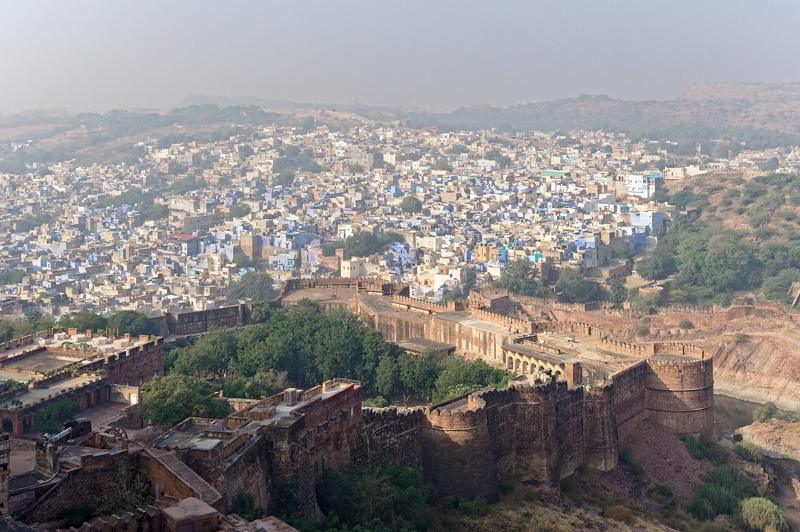
Golden Triangle and Royal Rajasthan
Twelve days that cover Delhi, Agra and Jaipur, then turn west through Pushkar to Jodhpur and Udaipur, with two full nights by the lakes at the end.
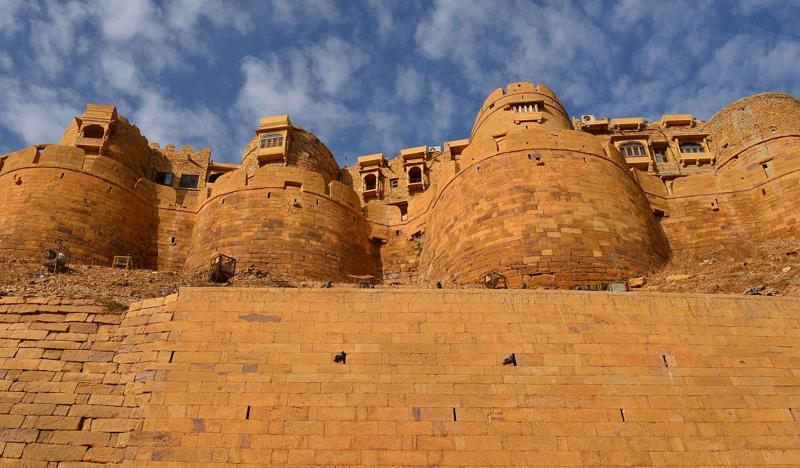
Rajasthan and the Thar desert
Fourteen days that run from Delhi through Agra and Jaipur into the far west of Rajasthan, with two nights in Jaisalmer on the edge of the Thar desert before a lake-side finish in Udaipur.
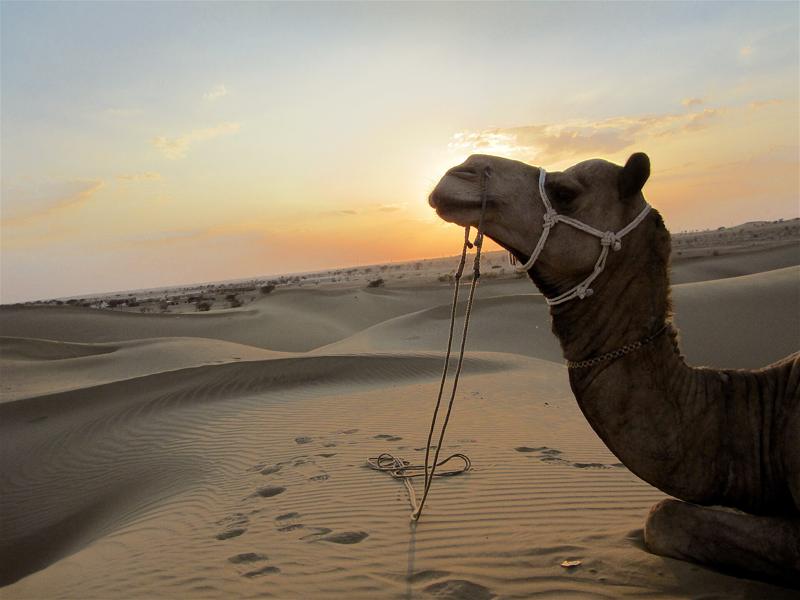
The grand Rajasthan journey
Sixteen days with one driver and a licensed guide in each city, taking in Delhi, Agra, Ranthambore, Jaipur, Pushkar, Jodhpur, Jaisalmer and Udaipur.
Related guides
Tell us when you are travelling.
A short message is enough. We will come back with a plan, personally.
Enquire