The best time for the Golden Triangle is October to March, when days are mild and sightseeing is comfortable. December and January can bring fog, and April to June is very hot. The monsoon months of July to September are green but humid, with fewer visitors.
Delhi, Agra and Jaipur share a climate, which makes the choice simpler than for most journeys. The plains of north India have a cool season, a hot season and a monsoon, and each changes how a day of sightseeing feels.
Below is a month by month look, with honest notes on fog, heat and festival weeks. Use it to pick your dates, then talk to us if your dates are fixed and we will plan around them.
The short version: October to March
For most travellers, October to March is the right window. Days are warm to pleasant, evenings are cool, and walking around a fort or a tomb is comfortable. This is also the busiest period, so hotels and guides are in demand, and early planning helps.
If you can only choose one stretch, aim for late October to early March. It avoids both the leftover heat of early autumn and the first sharp rise of spring.
Within that window, the details differ by city. Delhi can be smoggy in the weeks after Diwali, Agra has a hazier winter morning, and Jaipur tends to stay sunnier and drier. A good plan uses these patterns, for example by placing the Taj Mahal visit on a day when the forecast looks clearer.
Peak weeks, especially around Christmas and New Year, are the busiest of the year. Monuments are fuller and hotels have fewer rooms. If your dates fall there, share them early.
October, November and early December
October is a transition month. The monsoon has withdrawn, the air has cleared and mornings begin to cool, though afternoons can still feel warm. November is among the most comfortable months, with clear skies and pleasant days.
Diwali falls in October or November, depending on the year. It is a joyful time, with lights and sweets, but roads and markets are crowded, and air quality in Delhi can worsen after the festival. Plan extra time on those days.
Early December keeps the comfort of November and begins to introduce cool nights.
For photographers, November offers long, clear light and cool mornings without the heavy fog that comes later. For walkers, the old lanes of Delhi are far more pleasant in this season than at any other time. It is also a lovely time for a morning at Mehtab Bagh, across the river from the Taj Mahal, where the evening light on the marble is gentle.
Mid December to February: the cool and foggy months
These are the coldest months, with chilly mornings and evenings and mild afternoons. Bring a warm layer for sunrise visits.
Fog is the main caution. In December and January, fog can settle across the plains in the early morning, slow the roads and flatten a sunrise at the Taj Mahal. It does not happen every day, but it is common enough that we build a little slack into plans, and we suggest not scheduling the most important sunrise on the very first morning of a tight trip.
February is brighter and clearer, and many consider it one of the best months. Winters in Jaipur are drier and sunnier than in Delhi.
Dress in layers. Mornings in Agra can feel properly cold, especially on a drive before sunrise, and heated rooms are not universal in every hotel. Heritage palaces, with their large stone rooms, can feel cooler than modern five-star hotels, so ask about this when you plan.
Travel days in this season are slower on mornings with fog, so we rarely schedule a flight connection on the same day as a long drive. If you are flying out of Delhi the day after your journey ends, give yourself a buffer.
March: spring and Holi
March is warm and bright, with comfortable days at the start and rising heat by the end. Holi, the festival of colours, falls in March in most years. It is a joyful, colourful occasion, but on the main day many places close, streets are messy and travel is harder. Some visitors love being part of it, others prefer to avoid it. Tell us your view and we will plan accordingly.
Late March is the point at which the heat starts to build. Sightseeing is best in the morning, and an afternoon rest becomes useful. It is also a season of flowers in the gardens around some monuments, and the light turns a little warmer and softer.
April to June: the hot months
Temperatures climb steeply and can pass 40 degrees Celsius in the afternoon. Sightseeing is still possible, but the day has to be reorganised. Start early, rest at midday in an air-conditioned hotel, and visit again toward evening.
The upside is fewer visitors and more flexible hotel availability. If you travel in these months, drink plenty of water, wear light cotton clothes and a hat, and accept a slower pace. The heat can be hard on small children and older travellers.
Practical planning in the hot months looks like this. The Taj Mahal visit goes at first light, when the grounds are open and the marble is cool. Forts such as Amber and Agra Fort are done before late morning. Midday is for the hotel, a meal and a rest. The late afternoon is for markets and gardens. Done this way, a hot-season trip is quite manageable, and some travellers prefer the empty monuments.
July to September: the monsoon
The monsoon brings humidity, bursts of heavy rain and a green landscape. Dust settles and the air feels fresher than in summer, and monuments are quieter. Rain can disrupt plans, and roads and sites can be wet or temporarily closed.
This is the period of the lowest crowds and the most unpredictable days. If you travel then, keep the itinerary flexible and carry a light rain jacket. Tiger safaris are usually closed in the wetter months, which affects extensions toward Ranthambore.
Choosing by what matters most to you
If comfort is first, choose November, February or early March. If you want the best chance of clear light for photography, February and early March are strong. If you want quiet and do not mind weather, consider September or the shoulders of the hot season. For festivals, pick the month on purpose, because they change the feel of the trip.
Whatever you choose, remember that the Taj Mahal is closed on Fridays and that this is true in every season.
One more factor is the length of your trip. A short four-day loop is easier to do in the hot months than a ten-day journey that includes desert Rajasthan, where the afternoon heat is stronger. Longer routes belong in the cooler months, when moving between cities is more pleasant.
If your dates are fixed and not ideal, do not worry. A private plan can be shaped to the weather, with early starts, longer breaks and a car that is always air-conditioned. Tell us when you will be travelling and we will say honestly what to expect.
People also ask
What is the best month for the Golden Triangle?
Is it too hot to visit in May?
Will fog ruin the Taj Mahal sunrise?
Is the monsoon a bad time to visit?
Should I avoid Holi and Diwali?
Is the Golden Triangle open all year?
Take it privately
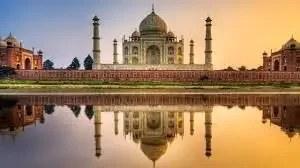
5-Day Private Golden Triangle
Five days that give each city its own space: a Delhi day, a drive to Agra, the Taj Mahal at first light, then Jaipur and the drive back.
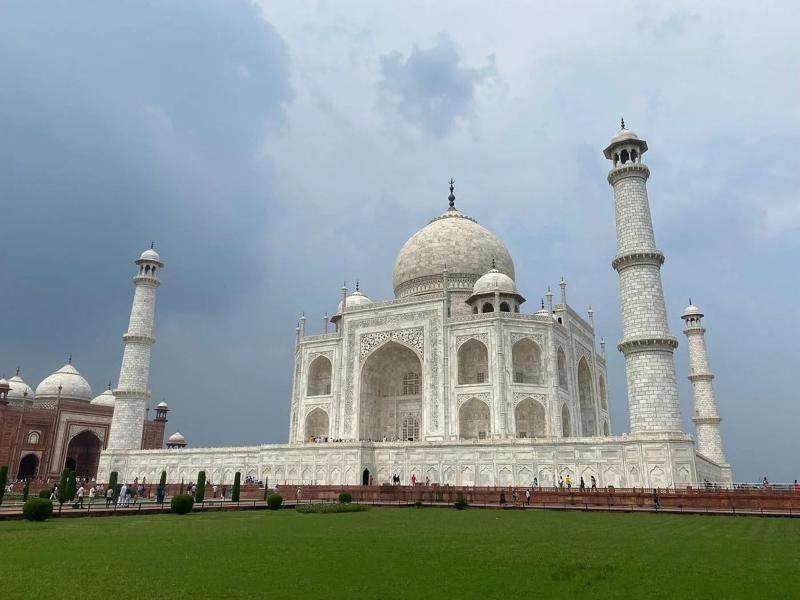
4-Day Private Golden Triangle
Four days with an arrival day in Delhi, then Agra, Jaipur and the drive back.
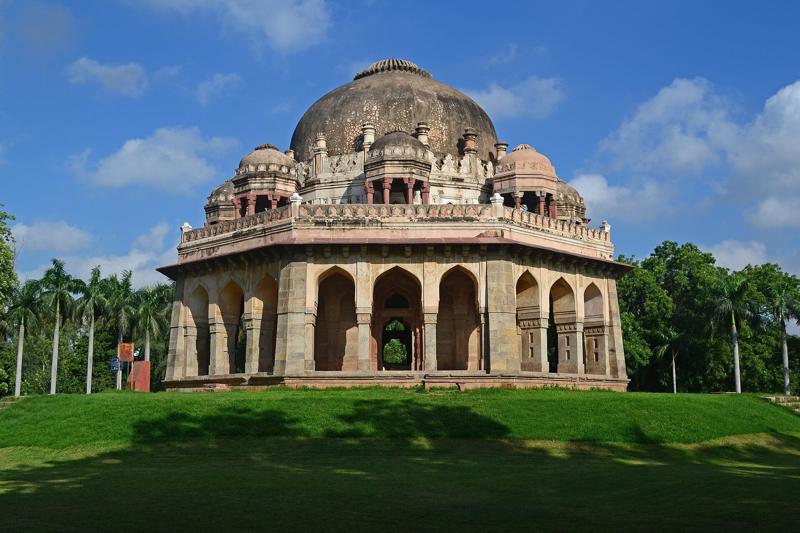
Golden Triangle at a gentle pace
Eight days through Delhi, Agra and Jaipur with a rest day built in, no day asking for more than one main outing, and drives kept to a few hours at a time.
Related guides
Tell us when you are travelling.
A short message is enough. We will come back with a plan, personally.
Enquire