The best time to visit Delhi is from October to March, when days are mild and sunny and sightseeing is comfortable. February and March are often the sweet spot. Summer from April to June is very hot, the monsoon from July to September is humid, and winter brings cold mornings and sometimes fog and poor air.
Delhi has three clear seasons: a hot summer, a humid monsoon and a cooler winter, with short spring and autumn windows in between. Your best month depends on whether you value comfort, crowds, light for photographs or festivals.
Here is a straightforward guide to each part of the year, with honest notes on the downsides.
The short answer: October to March
From about October to March the weather is dry and pleasant for most of the day. Mornings and evenings are cool, and afternoons are comfortable for sightseeing. This is the period most visitors choose, and it is also the busiest.
Within that window, February and early March are often ideal: clear skies, mild temperatures and fewer weather risks. November is also good, though air quality can be a concern in some years.
December and January are cold on early mornings and evenings, and fog can delay travel and flatten photographs. Pack warm layers.
If you are planning a longer trip that includes Agra, Jaipur and beyond, the same window works across northern India. After March the heat builds quickly in Rajasthan, so earlier is better for the whole route.
Clear skies in this period also help photography, because the light is softer and the haze of summer has gone. If you can choose, aim for the weeks when the day is warm enough for a light shirt and the evening needs only a thin layer.
Hotels and guides are busiest in these months, so it helps to settle your dates early. Last minute plans are still possible, but the best rooms and drivers book first.
Summer, April to June
Summers in Delhi are very hot, with afternoon temperatures that can climb well above forty degrees Celsius. Sightseeing is possible only in the early morning and late afternoon.
If you must visit in these months, start at dawn, rest at midday in an air-conditioned place and carry plenty of water. A private car with air conditioning makes a major difference.
The upside is fewer international visitors and easier availability, but the heat is a real limit.
A practical tip for summer: ask for a hotel with a good rest area and plan your day in two parts, one before ten in the morning and one after four in the afternoon. In the middle, retreat to air conditioning.
Monsoon, July to September
The monsoon brings humidity, heavy showers and a green freshness. It is warm and sticky, and sudden downpours can disrupt plans. Roads can flood in places.
Monuments are less crowded and the light can be dramatic after rain. It is a reasonable time if you are flexible and happy with indoor breaks.
Travel between cities may take longer in heavy rain, so build extra time into your plan.
Monsoon also brings relief from dust and heat. Light cotton, a compact umbrella and quick-drying shoes are the sensible packing choices. Check weather before you go to monuments with open courtyards.
If your dates are fixed in the monsoon, ask about indoor options such as museums and covered markets, and keep the evenings free, as the rain often eases then.
Winter, December and January
Delhi winters are dry and sunny by day but cold at night and in the early morning. Fog is common, especially in December and January, and it can delay trains, flights and road journeys.
Air quality can also be poor at times in late autumn and winter, which affects sensitive travellers. Check conditions before you travel and carry a mask if you are concerned.
Despite this, many visitors enjoy winter days because the walking weather is excellent once the fog lifts. Plan outdoor sights for late morning and afternoon.
Layers are the key to Delhi winters. A light jacket in the morning, a shirt at midday and a warm wrap in the evening cover most days. If fog is forecast, we schedule outdoor monuments later and keep the mornings gentle.
Some travellers choose winter specifically for the cool air and golden afternoon light. If you do, carry a warm layer for the early start and dress for a wide temperature swing across the day.
Festivals and public events
Holi, the festival of colours, falls in spring and is lively, but streets can be messy and some places close. Diwali, in autumn, is a festival of lights with a beautiful atmosphere, though traffic and travel can be very busy.
Republic Day on 26 January and Independence Day on 15 August bring security restrictions, road closures and some monument closures around those dates. Check the calendar when you choose your days.
Local festivals can make Delhi richer, but they can also affect opening hours and transport, so we always check the dates.
Big events can also affect hotel availability, so if your trip coincides with a major festival, tell us early. We can plan the days to enjoy the atmosphere or to avoid the busiest roads.
Month by month snapshot
January: cold, foggy mornings, clear afternoons. February: mild and bright. March: warm and pleasant, spring flowers. April: warming up fast. May and June: very hot. July to September: humid with rain. October: warm days, cooler evenings. November: pleasant, with some air quality concerns. December: cold mornings, short days.
If you can choose freely, February, March, late October and November are the strongest choices overall.
Shoulder months such as late March, October and early November often give the best balance of comfort and light, with fewer crowds than the peak weeks of December and January.
How this affects the Golden Triangle
Delhi is usually the gateway to Agra and Jaipur, so the same seasons apply across the route. Peak season is also when hotels fill, so plan early. Fog can affect the Taj Mahal at sunrise in December and January, while summer heat shapes how we pace the days.
If you tell us your dates, we will plan a rhythm that suits the weather: early starts in the hot months, late starts in foggy weeks, and flexibility throughout.
Delhi is also a good place to adjust your body clock. Many guests arrive tired from a long flight, so a gentle first day with a short drive and an early night makes the next days easier, whatever the season.
People also ask
What is the best month to visit Delhi?
Is Delhi too hot in summer?
Is Delhi worth visiting in the monsoon?
How bad is the fog in winter?
What about air quality?
When should I avoid Delhi?
Take it privately
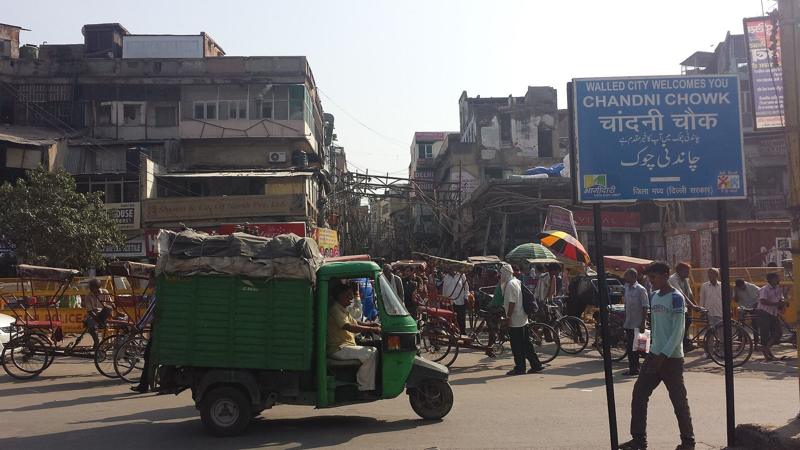
Old Delhi food and lanes
A slow day through the oldest part of Delhi on foot and by cycle rickshaw, with a local guide who knows the lanes and the food.
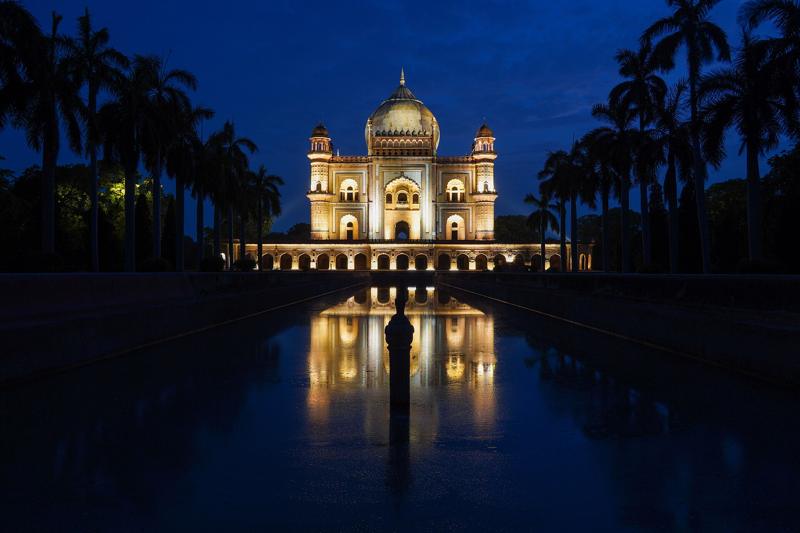
Delhi and Agra in three days
Three days that begin with a full day in Delhi, move to Agra by road, and finish with the Taj Mahal on the morning of the third day before the drive back.
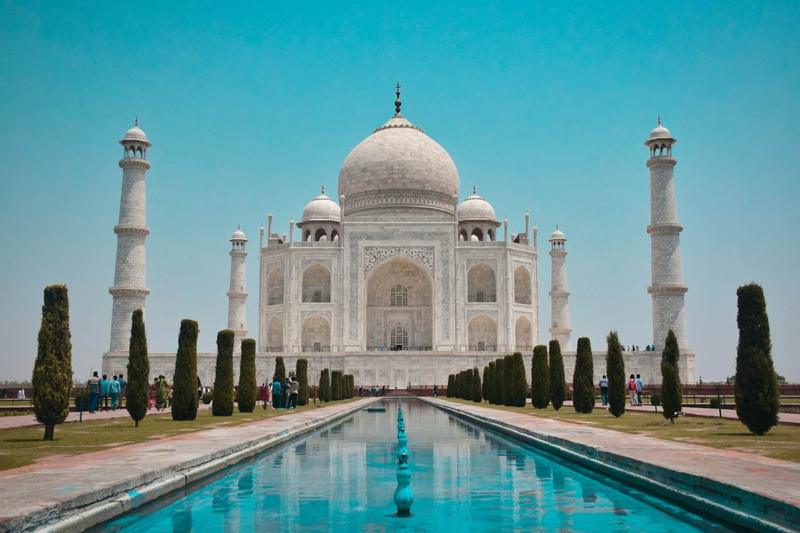
3-Day Private Golden Triangle
Three days that link Delhi, Agra and Jaipur by road with one car, one driver and a licensed guide in each city.
Related guides
Tell us when you are travelling.
A short message is enough. We will come back with a plan, personally.
Enquire