Old Delhi is the crowded, historic Mughal city around the Red Fort, Jama Masjid and Chandni Chowk. New Delhi is the planned, tree-lined capital of wide avenues, government buildings and India Gate. If you have one day, split it: Old Delhi for atmosphere and food in the morning, New Delhi for space and calm in the afternoon.
Visitors often ask which half of Delhi to pick. In truth they are two different cities with different moods, and a good visit uses both. Old Delhi is busy, loud and full of history. New Delhi is spacious, formal and quiet.
This guide explains what each area is, what to see, how to combine them and which one to choose if time is short.
What Old Delhi and New Delhi actually are
Old Delhi is the walled city of Shahjahanabad, founded in the seventeenth century by Shah Jahan. It is a maze of narrow lanes, bazaars, havelis and mosques, and it still feels like a working market town.
New Delhi is the capital designed by British planners in the early twentieth century, with broad boulevards, big lawns and grand government buildings. It was formally inaugurated in the early 1930s. Today it is where much of official Delhi lives, and it is much calmer to move around.
Delhi also has older layers beyond both, including medieval monuments in the south, so the old and new labels are a simplification.
In practice, the two feel so different that many visitors say they could be in separate countries. Old Delhi is dense and layered, and New Delhi is planned and open. Seeing both is the clearest way to understand the city.
The best of Old Delhi
The Red Fort is the headline sight, a large red sandstone fort that was the Mughal seat of power. Check opening days, because some monuments close on a weekly day and the fort is generally closed on Mondays.
Jama Masjid is one of the largest mosques in India. Dress modestly, remove shoes and respect prayer times when visiting. Chandni Chowk, the main bazaar, is an intense, crowded street best seen on foot or by rickshaw with someone who knows the lanes.
Food is a big reason to go. The lanes around Chandni Chowk are famous for traditional snacks and sweets, and a guided food walk is a good way to taste them safely. Spice markets nearby are vivid and photogenic.
Jama Masjid welcomes visitors outside prayer times, and the courtyard gives a good view across the old city. Some visitors climb a minaret for a rooftop view, which is a steep, narrow staircase and not for everyone.
Between the sights, take time to stand still in a lane. The mix of sound, colour and movement is the real experience of Old Delhi.
The best of New Delhi
India Gate is the great war memorial arch at the end of a ceremonial avenue, and the area around it is popular for evening strolls. The government buildings nearby, including the presidential residence, are imposing from the outside.
Humayun's Tomb, in a broader central area, is a garden tomb that was a forerunner of the Taj Mahal and is a lovely, quiet place. Lodhi Garden is a calm park with old tombs among the trees. The Qutub Minar complex, further south, is a UNESCO site with a famous tall minaret and ruins from an early Delhi sultanate.
Many of the most rewarding sights in New Delhi are spacious, shaded and easy to walk, which is a relief after Old Delhi.
The area around India Gate is best in the early morning or at dusk, when the air is cooler and the avenue is softly lit. Government buildings are viewed from outside only, and security rules apply near them.
If you enjoy museums, the National Museum and the craft collections in central Delhi are a calm contrast to the bazaars, and they suit the hotter hours of the day.
Which should you choose if time is short?
If you have only half a day and love atmosphere, food and history, choose Old Delhi. If you prefer space, gardens and easier walking, choose New Delhi and its monuments.
If you have a full day, combine them: start early in Old Delhi when lanes are quieter and the air is cooler, rest at midday, and spend the afternoon at Humayun's Tomb or the Lodhi area.
If you are on a Golden Triangle journey, Delhi is often the first and last stop, so you may see one half on arrival and the other on departure.
Another way to decide is by your energy. Old Delhi is rewarding but tiring, with noise, crowds and heat. New Delhi is gentler on the senses. If you have just landed from a long flight, start with the quieter half and save the lanes for a rested day.
How to move around
Old Delhi is best explored on foot or by rickshaw, but cars cannot enter the narrow lanes. A private driver can drop you at the edge and wait while you walk with a guide.
New Delhi is spread out, so a car is the easiest way to link sights. Traffic can be heavy, so we plan the order of visits to avoid the worst of it.
The Metro is useful for solo travellers on a budget-conscious plan, but with luggage or a tight schedule, a car and driver is simpler.
Whichever half you choose first, keep your plans light. A single anchor in each area, such as the Red Fort or Humayun's Tomb, plus time to wander, is far more satisfying than a long list. Delhi rewards slow looking.
Seasons, hours and good manners
Delhi is hot in summer and chilly on winter mornings, and air quality can be poor in late autumn and winter. If you are sensitive, carry a mask and plan indoor breaks.
Dress modestly at religious sites. Keep valuables close in the bazaars and agree arrangements clearly with rickshaw riders before you set off.
Opening days vary between monuments, so check for closures. We confirm these when we plan your day.
Air quality and heat are the two things to plan around. In smoggy weeks, shorter outdoor stretches and indoor breaks make the day easier.
Photography is welcome in most public areas, but be respectful at mosques and avoid pointing cameras at people without asking.
Putting it together in a private day
A well paced day starts with Old Delhi in the morning, with a guide and a walk through the lanes, a mosque visit and a food stop. After a rest, it moves to New Delhi for a tomb or garden and the avenues at golden hour.
If you would like, we can build a Delhi day around your interests, whether architecture, food or photography, and fit it around your arrival or departure time.
People also ask
Is Old Delhi worth visiting?
How many days do you need in Delhi?
What is the best time of day for Old Delhi?
Is the Red Fort open every day?
Is Humayun's Tomb in Old or New Delhi?
Can I visit both in one day?
Take it privately
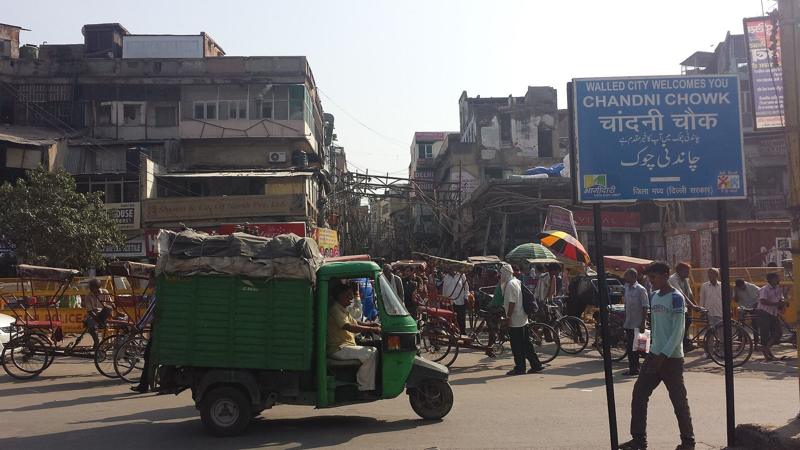
Old Delhi food and lanes
A slow day through the oldest part of Delhi on foot and by cycle rickshaw, with a local guide who knows the lanes and the food.
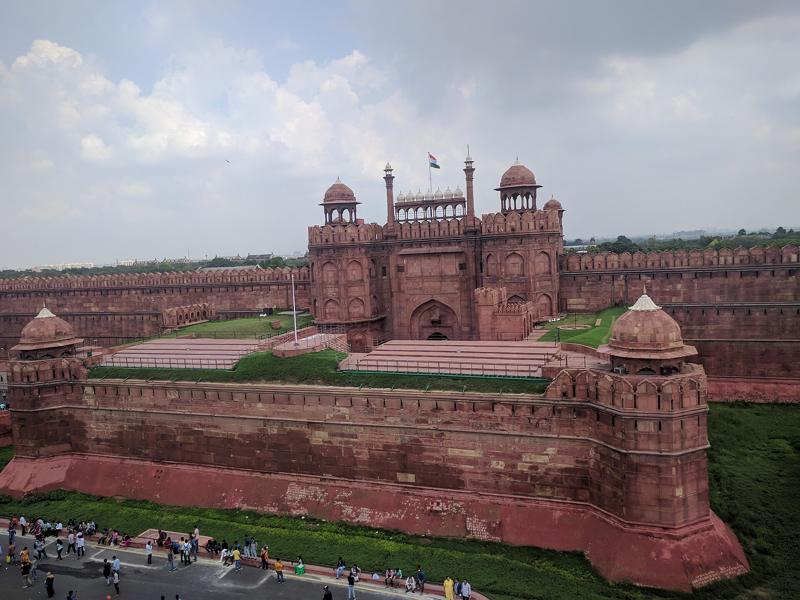
The Mughal trail
Six days through Delhi and Agra that follow the Mughal story from Humayun's Tomb and the Red Fort to Agra Fort, Fatehpur Sikri and the Taj Mahal.
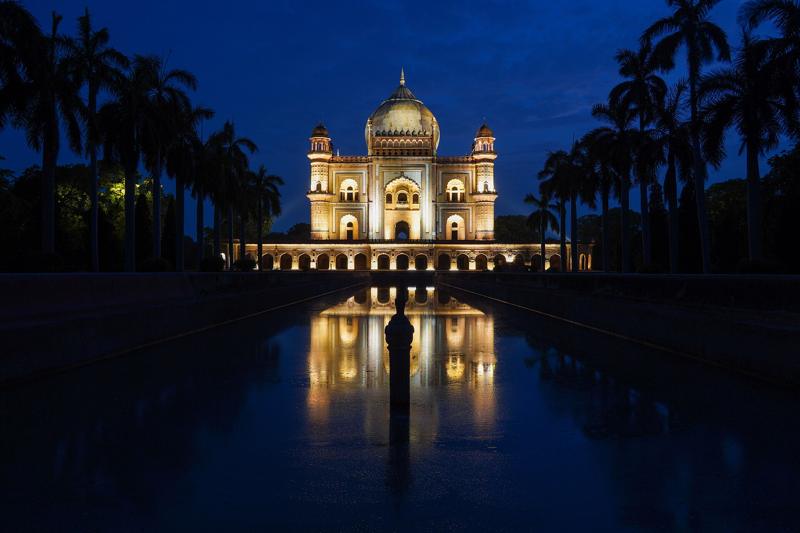
Delhi and Agra in three days
Three days that begin with a full day in Delhi, move to Agra by road, and finish with the Taj Mahal on the morning of the third day before the drive back.
Related guides
Tell us when you are travelling.
A short message is enough. We will come back with a plan, personally.
Enquire