The Golden Triangle is a good first journey in India because the route is well established, the monuments are famous for good reason, and a private car and guide remove most of the stress. Allow four to five days, travel between October and March if you can, and expect noise, crowds and long drives alongside the highlights.
If this is your first visit to India, the Golden Triangle is the route most people begin with. It links Delhi, Agra and Jaipur, and it brings together the Mughal capital, the Taj Mahal and the pink city of Rajasthan in one loop of about 720 to 750 kilometres.
This page is written for the person who has never been. It says what the days feel like, what tends to surprise first-time visitors, and how to plan so that the trip is easy rather than tiring.
Is the Golden Triangle a good first trip to India?
Yes, for most people it is. The route has good roads, a large number of hotels at every level, and guides who work with first-time visitors every week. The three cities are very different from one another, so you see three faces of north India without needing to cross the country.
The honest caveat is that it is also busy. The monuments are popular and the cities are loud. If you want a quiet, remote first trip, this is not it. If you want the great sights and a smooth way to see them, it is a sensible choice.
What each city gives a first-timer
Delhi is the gateway. It has the old walled quarter, the Mughal tombs and the broad avenues of the British era. Many first-time visitors find Old Delhi overwhelming and wonderful in equal measure, which is why a guide helps on the first day.
Agra is about the Taj Mahal, but the red sandstone Agra Fort and the smaller tomb known as the Baby Taj deserve time. Agra is a smaller, more compact city than Delhi.
Jaipur is where Rajasthan begins. Amber Fort, the City Palace and the old bazaars give colour and detail, and the city is easier to enjoy at a leisurely pace than Delhi.
A small suggestion: do not try to see everything in each place. Choose one or two things you care about in each city and let the guide fill the gaps. First-time visitors who leave space in the day tend to remember more of it.
How many days and what time of year
Four to five days is the pace most first-time visitors enjoy. Three days works but is rushed. Read our page on how many days to allow if you are weighing the options.
October to March is the most comfortable season. December and January can bring fog, and April to June is hot. Our page on the best time for the Golden Triangle goes month by month.
What surprises people most
The first surprise is the noise and movement. Horns, bicycles, cows, auto-rickshaws and crowds move together, and a car with an experienced driver makes that far easier. The second is the pace of the roads. Distances look short on a map but take hours, so plans with fewer stops feel better.
The third is the attention at monuments. You may be asked to buy things or to pose for photographs. A calm, polite no works, and your guide will help. The fourth is the food, which is usually delicious and sometimes spicier than expected. Ask for mild dishes and stay with bottled water.
Jet lag is the quiet surprise. After a long flight, the first day may feel slower than planned, and an early start is hard. If your flight lands in the small hours, tell us, and the first morning can be gentle. Sleep, a light breakfast and a short drive through the city are better than a full programme on no rest.
Another surprise is how much time goes to waiting. Security checks at monuments, queues at gates and traffic on the road are part of the rhythm. A guide who knows the quiet entrances and the best hours can shorten these, but they never vanish. Bring patience and a book.
Practical things to know before you go
Check your visa requirements well ahead, and carry your passport for hotel check-in. The Taj Mahal is closed on Fridays, so plan the Agra day around that. Tickets for monuments are arranged online or at the counter, and for a private journey we arrange them for you.
Dress modestly at religious sites, with covered shoulders and knees, and wear shoes that are easy to remove. Carry a light scarf, sunscreen, a refillable bottle and a small day bag. Bags with large items are restricted at the Taj Mahal, so travel light that morning.
Keep digital and paper copies of your documents. Tell your bank you are travelling. Most travellers use a local SIM or an eSIM for maps.
Money is simpler than people expect. Cards are accepted in most hotels and larger shops, but small purchases, tips and street food are easier with a little cash. Ask your driver or guide where a reliable cash machine is, and avoid changing money with strangers.
On health, carry any regular medicines in their original packaging, along with a basic stomach remedy and insect repellent. Travel insurance is sensible for any international journey. Wash your hands often and eat in places your guide recommends, especially in the first few days.
Why a private car and guide suit first-timers
On a first journey, small decisions add up: where to park, which gate to use, how to avoid the worst of the crowds, where to eat. A private driver and a licensed guide in each city take these away. You do not need to negotiate fares, find your way between monuments or work out opening days.
It also gives you somewhere to rest between stops. The car is a calm, air-conditioned space, and the driver waits wherever you are. For many first-time visitors that is the difference between a tiring trip and an easy one.
Guides also help you understand what you are seeing. The Taj Mahal is a tomb built in the seventeenth century by the Mughal emperor Shah Jahan, and the stories of the people and the craft behind it add a great deal to the visit. In Jaipur, a guide can explain the Rajput history behind the forts. These details turn sightseeing into understanding.
A simple plan to start from
A good first plan looks like this. Arrive in Delhi, rest, and spend the first full day on Old and New Delhi. Drive to Agra, with the Taj Mahal at sunrise on the following morning, then Agra Fort. Continue to Jaipur by way of Fatehpur Sikri, spend a day in Jaipur, and return to Delhi. We adjust this to your dates, and flights between cities are not included in our journeys.
People also ask
Is the Golden Triangle safe for first-time visitors?
How many days should a first-time visitor spend?
Do I need a guide at the Taj Mahal?
What should I wear?
Can I drink the tap water?
Will I be able to eat vegetarian food?
Take it privately
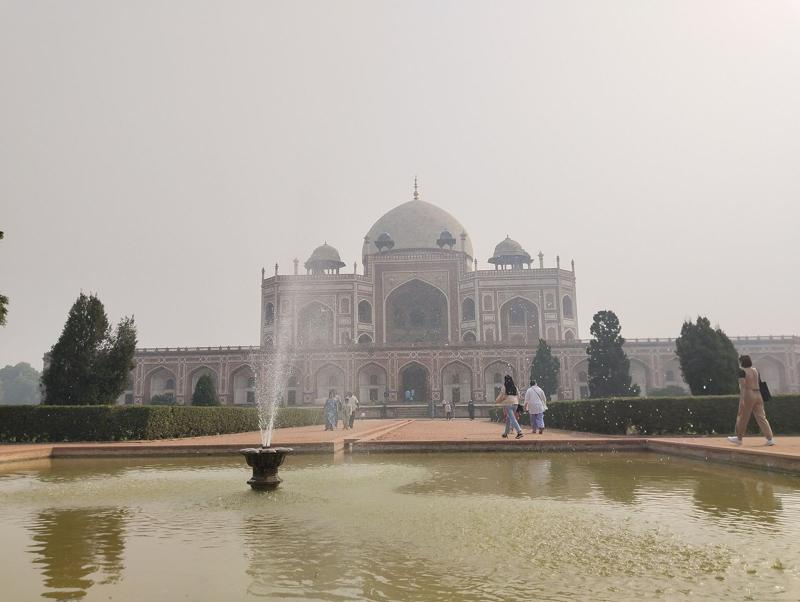
Golden Triangle for first-timers
Five days for people who have never been to India, with the practical side taken care of.
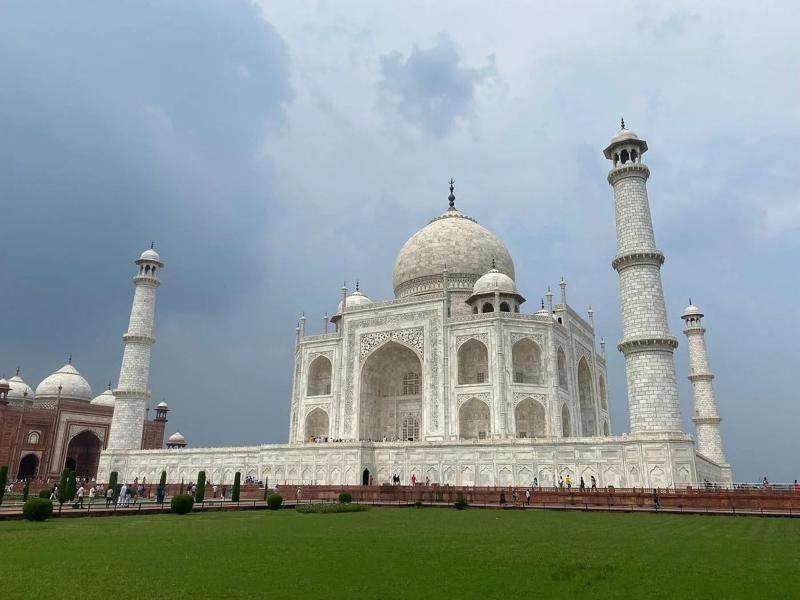
4-Day Private Golden Triangle
Four days with an arrival day in Delhi, then Agra, Jaipur and the drive back.
5-Day Private Golden Triangle
Five days that give each city its own space: a Delhi day, a drive to Agra, the Taj Mahal at first light, then Jaipur and the drive back.
Related guides
Tell us when you are travelling.
A short message is enough. We will come back with a plan, personally.
Enquire