The best months to visit the Taj Mahal are October to March, when days are dry and the air is cool enough to walk the grounds in comfort. The best time of day is first light, when the gates open and the marble is quiet. December and January can bring fog, so allow a spare morning if you can.
People ask this question as if there were one perfect date. There is not. The Taj Mahal can be visited in every month except for the Fridays when it is closed, and each season gives a different kind of day. What changes is how comfortable you are, how crowded the platform is, and how the light behaves on the marble.
Below we take the year in plain terms, then the time of day, then the practical things that decide a good visit: fog, heat, rain, school holidays and festivals. We plan these journeys for a living, so we say where we would go and where we would think twice.
The short answer: October to March
For most travellers the cooler half of the year is the right choice. From about late October to March the sky is usually clear, the days are warm rather than hot, and you can stay outside for the two or three hours a proper visit takes without feeling drained.
This is also the season when most visitors arrive, so the grounds are busier than in summer. The gates, the central pool and the main platform fill up by mid morning. That is why the hour you choose matters nearly as much as the month. A quiet, early start in peak season often feels calmer than a midday visit in the off season.
If your dates are fixed and fall outside these months, do not cancel. The Taj is still worth the journey. You simply plan the day differently, which we cover below.
Month by month: what to expect
October and November are widely loved. The monsoon haze has cleared, the air is warm, and the light is soft. Late November is one of the most reliable windows for clear mornings.
December and January are cold at dawn and can be foggy. Fog in the plains of northern India is common in these weeks and can hide the dome entirely at sunrise. It often lifts by mid morning, so a visit at ten can be clearer than one at six. Carry a warm layer, because the hour before sunrise is properly cold.
February and March are among the most pleasant months. The fog thins, the days warm up, and gardens in the city are green. By late March the heat starts to build.
April, May and June are hot, and afternoons can be severe. Visitors who come then go at opening time and are back at the hotel before noon. July to September is the monsoon. Rain comes in bursts, the air is humid, and skies are often grey, though the monuments are greener and the crowds are thinner.
Best time of day to see the Taj Mahal
Sunrise is the classic choice. The gates open around first light, the grounds are quieter than later in the day, and the marble shifts slowly from pale grey to soft cream. The air is also at its coolest. If you want a calmer visit and cleaner photographs, this is the slot.
Late afternoon has its own appeal. The light turns golden and the crowds begin to thin as closing time approaches. It suits guests who do not want a very early start, or who arrive in Agra after a drive from Delhi or Jaipur.
Midday is the hardest hour. It is the hottest, the busiest and the flattest for photographs. If midday is the only option, a guide who knows the shaded corners and the quieter side routes makes a real difference. For the detailed comparison, see our page on Taj Mahal sunrise versus sunset.
Whatever the month, the Taj Mahal looks different from hour to hour. The white marble takes on the colour of the sky, so a clear morning, a hazy noon and a golden late afternoon feel like three separate visits. This is why we think about the hour as carefully as the month.
Fog, heat and rain: how to plan around them
Fog is the main risk in winter. It is not a reason to avoid December or January, which are busy and festive months, but it is a reason to build in slack. If you stay two nights in Agra, you have two chances at a clear dawn. If you have only one morning, accept that the view may be soft and that the visit will still be peaceful.
In the heat, the plan is simple: go early, drink water through the day, wear light cotton and a hat, and rest in the middle of the day. A private car with air conditioning, waiting at the gate, turns a hard day into an easy one.
In the monsoon, bring a light rain jacket and shoes that dry quickly. Marble can be slippery when wet. Showers often pass within the hour, and the skies after rain can be clean and clear.
Crowds, holidays and the closed day
The Taj Mahal is closed every Friday. Plan your Agra day around that, not against it. We explain the reasons and the alternatives on our page about whether the Taj is closed on Friday.
Crowds rise during Indian school holidays and long weekends, and around major festivals such as Diwali and Holi. Foreign visitors cluster in the cool months. If your dates overlap with a holiday, aim for the first entry of the day and keep your timetable flexible.
On certain evenings around the full moon there are special night viewings, usually for a few nights each month. These have their own booking rules and are not offered on Fridays or during Ramadan. Because the arrangements change, we confirm them when we plan rather than promise them.
How to choose your month, and how we plan around it
Choose by what matters to you. If comfort and clear skies come first, aim for mid October to early March, and ideally February or late November. If quiet and a lower crowd matter more than weather, consider the shoulder weeks of March and September. If you can only travel in summer, go early and rest in the afternoon.
When we plan a private journey, we place the Taj on the morning that gives you the best chance of a clear start, and we leave a spare day in winter where it fits the route. You travel with your own car and driver and a licensed guide in Agra, so the timing can shift with the weather.
If you are still deciding between a quick visit and a slower one, our Golden Triangle guides below show how the days can be laid out around the Taj.
Who should pick which season
Families with young children do best in the cool months, when long walks on marble are comfortable and a stroller or tired legs are easier to manage. Older travellers also tend to enjoy November to February most, with a warm layer for dawn.
Couples celebrating something special often choose February, when the gardens are green and the weather is mild. Photographers tend to favour the clear weeks of late autumn and early spring, and are happy to risk a foggy morning for a quiet platform.
Travellers who dislike crowds can trade a little comfort for space by choosing the shoulder weeks, early October or late March, and by going at opening time.
People also ask
Is the Taj Mahal worth visiting in summer?
Does fog cancel the Taj Mahal visit?
What is the least crowded time to visit the Taj Mahal?
Is monsoon a bad time to see the Taj?
How many days should I allow in Agra for good weather odds?
Can I see the Taj Mahal at night?
Take it privately
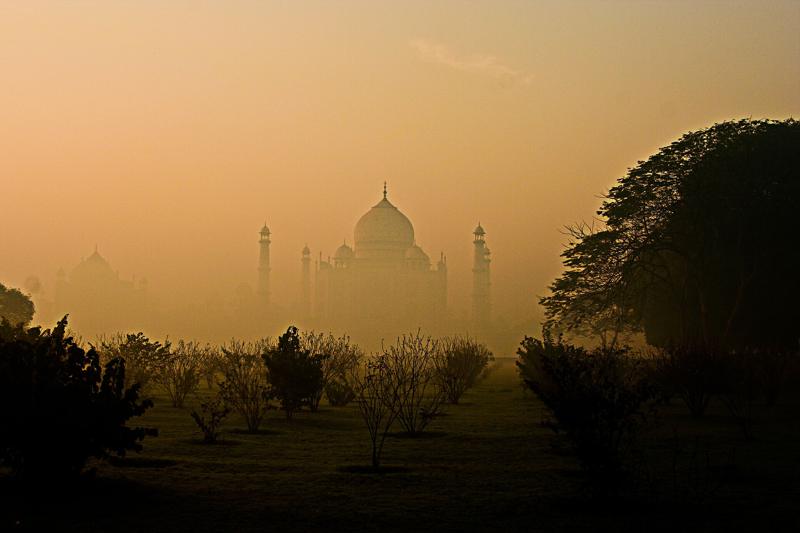
Taj Mahal at sunrise
An early morning at the Taj Mahal for guests already staying in Agra, with a driver at the hotel before first light and a licensed guide at the gate.
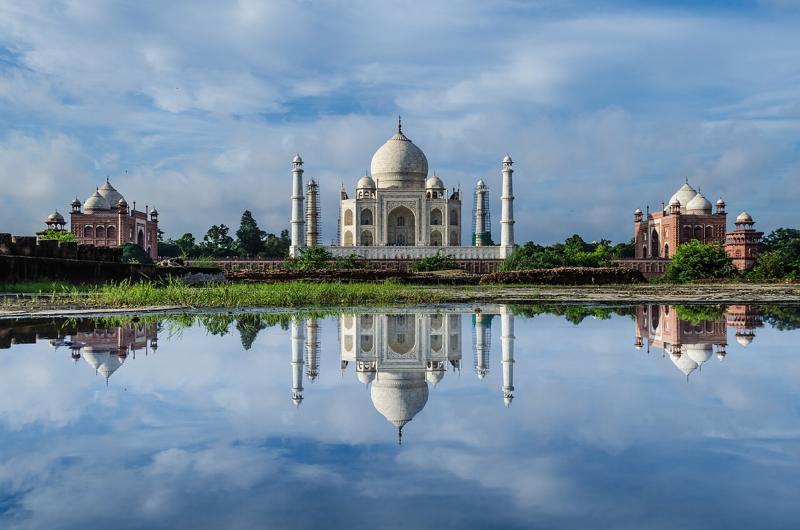
Taj Mahal overnight from Delhi
A two-day journey that stays one night in Agra, so you see the Taj Mahal at sunrise rather than in the middle of a long day.
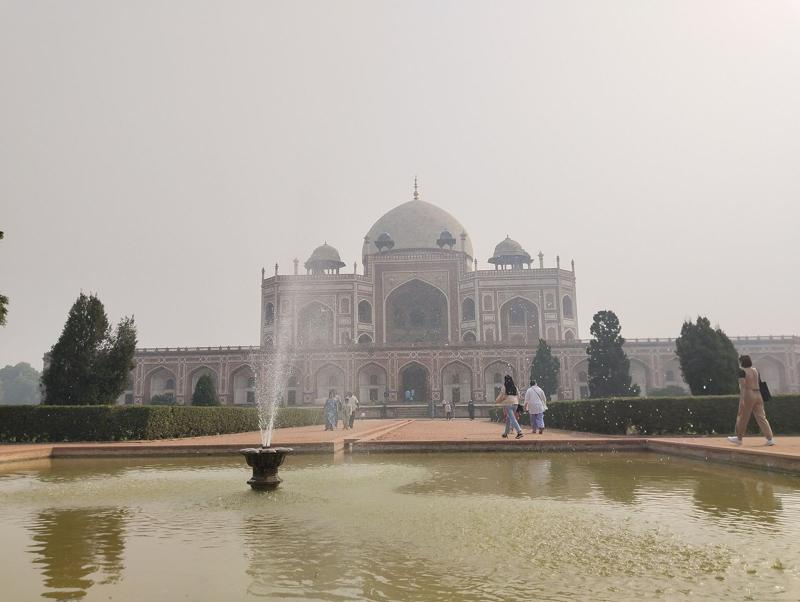
Golden Triangle for first-timers
Five days for people who have never been to India, with the practical side taken care of.
Related guides
Tell us when you are travelling.
A short message is enough. We will come back with a plan, personally.
Enquire