For most travellers, sunrise is the better time: the air is cooler, the grounds are quieter, and the marble changes colour slowly as the light grows. Sunset is a good second choice if you dislike early starts or arrive in Agra late in the day. Sometimes the honest answer is both, if you stay two nights.
Sunrise or sunset is the question we hear most from guests who have already decided to come. Both are good. They are simply different experiences, and the right one depends on how you travel, what you want to photograph and how much you value a quiet walk.
One note first. The Taj Mahal opens at first light and closes before the sun goes down. So a sunrise visit means you are at the gate when it opens. A sunset visit means you enter in the late afternoon and watch the light change until closing. The famous view of the sun setting behind the dome is better from across the river, which we cover below.
Sunrise at the Taj Mahal
Early morning is the most popular choice for good reason. The gates open around first light, and the first hour is the calmest of the day. The marble starts in a cool grey blue and warms to cream and pale gold as the sun rises. The effect is gradual, which suits a slow walk down the gardens.
The air is also at its best. In the hot months this matters a great deal. By nine or ten you are heading back for breakfast while the heat is only beginning.
The downsides are the early start and the winter fog. In December and January the dome can be hidden at dawn, and the light is flat. If you are in Agra for one morning only in those months, expect that the sunrise may be soft rather than dramatic.
Many guests tell us the quiet is what they remember most from the morning visit. Before the main crowd arrives, you can hear birds in the gardens and footsteps on the stone, and the building feels closer to how it was meant to be seen.
Sunset at the Taj Mahal
A late afternoon visit gives a different pleasure. The light is warm and low, shadows lengthen across the platform, and the crowd begins to thin as closing time approaches. It is a gentler day and suits guests who arrive from Delhi or Jaipur by car and want to go straight to the monument.
Be aware of one point. The Taj closes before sunset, so you will not see the sun go down while you are inside the grounds. You will see the golden hour, not the dusk. If dusk is what you want, choose the view from Mehtab Bagh instead, covered in our guide to that garden.
Sunset visits can also be busier than people expect in peak season, because tour groups finish their day at the same time. A guide who knows the quieter corners helps.
Crowds and comfort compared
At sunrise, you are among the first through security, and the central platform and the reflecting pool are easy to enjoy. By about eight, the lines build and the photograph spots fill. In the evening, the crowd is thickest in the middle of the afternoon and eases toward the end.
On heat, sunrise wins from April to September. In winter the picture changes: early morning is cold, and the late afternoon can be the more comfortable hour. If you feel the cold, sunset is kinder in December and January.
On energy, think about the whole day. A sunrise start usually means the rest of the day is free for the fort and the markets. A sunset visit usually means a morning on another monument and a rest in between.
Which is better for photography?
For clean images with few people, sunrise is hard to beat. The light is soft, the sky is often clear in the cool months, and the first hour has the least foot traffic on the marble.
For warm tones and long shadows, late afternoon is good. The marble picks up golden colours, and the crowd is easier to avoid in the last hour.
Each has a catch. Dawn fog can ruin a morning. Haze in the late afternoon can dull the sky. If photography is the main goal, plan two chances, one at each end of the day. Our page of Taj Mahal photography tips goes into position and equipment rules.
The case for doing both
If you stay two nights in Agra, you can have a sunrise visit on the first morning and the garden view at dusk from Mehtab Bagh on the first evening, or the other way round. This gives you a second chance if fog or haze spoils one visit, and it keeps the days relaxed.
The extra time needed is small. The Taj itself takes about two to three hours when you are not rushed. The rest of the day can be the fort, the tomb of Itimad-ud-Daulah and a slow lunch.
We often suggest this to guests who have travelled a long way and want to see the monument well rather than quickly.
Our recommendation by traveller type
First time visitors who want the classic experience: sunrise. Families with young children: sunrise, because the heat and crowds are lower, or late afternoon if mornings are hard. Photographers: both, if you can. Travellers arriving by road from Delhi or Jaipur on the same day: late afternoon. Anyone visiting in summer: sunrise, without question. Anyone visiting in December or January: be flexible, and keep a spare morning.
When we plan a private journey, your car and driver take you to the gate at the right time, and your licensed guide meets you there. Entry tickets are arranged for you, so you do not need to manage the queue yourself.
What the day looks like around each visit
A sunrise visit usually means leaving the hotel in the dark, entering at first light, and returning for breakfast by mid morning. The rest of the day is free for the fort, a leisurely lunch and the drive to the next city in the afternoon.
A late afternoon visit means a slower morning. You can arrive from Delhi or Jaipur, check in, rest and head out when the heat eases. After the Taj you can end the day at a quiet rooftop or a garden, then dine without rushing.
Neither plan is better in every case. Think about your energy, your flight times and how you like to travel, then choose the rhythm that suits you.
People also ask
Is sunrise at the Taj Mahal worth waking up for?
Can I watch the sun set behind the Taj Mahal?
How long does a Taj Mahal visit take?
Which is less crowded, sunrise or sunset?
Is the Taj Mahal open on Fridays for sunrise?
Does the colour of the Taj really change?
Take it privately
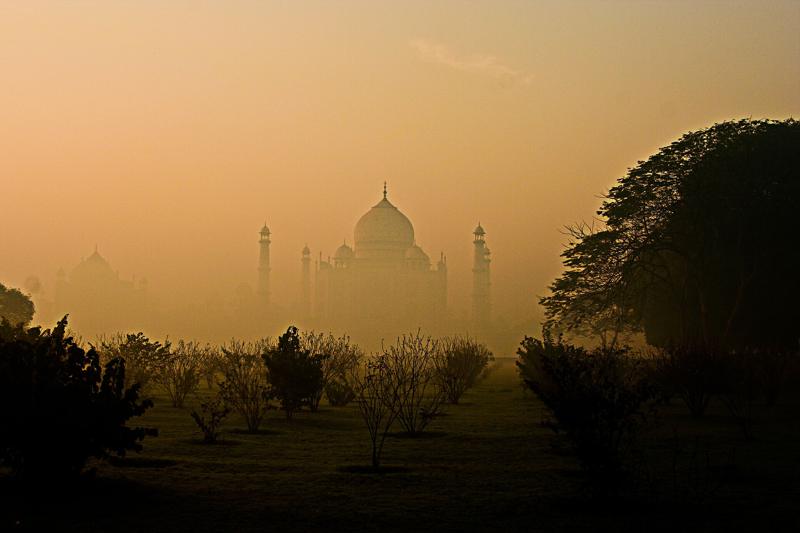
Taj Mahal at sunrise
An early morning at the Taj Mahal for guests already staying in Agra, with a driver at the hotel before first light and a licensed guide at the gate.
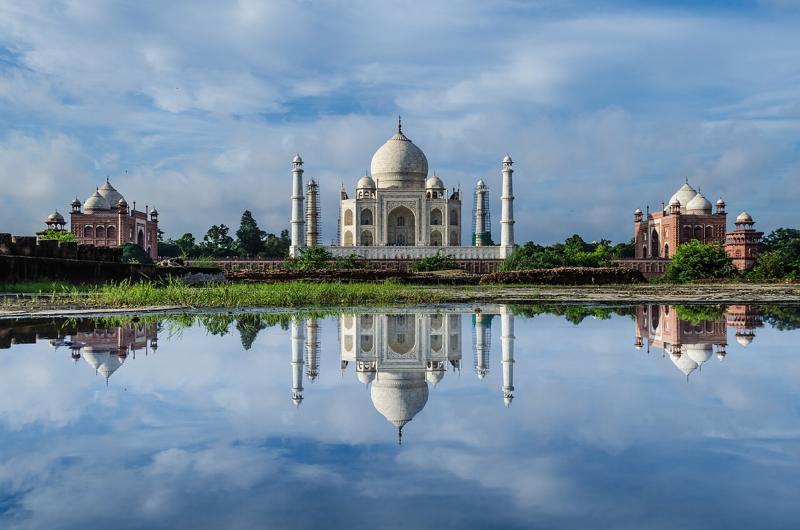
Taj Mahal overnight from Delhi
A two-day journey that stays one night in Agra, so you see the Taj Mahal at sunrise rather than in the middle of a long day.
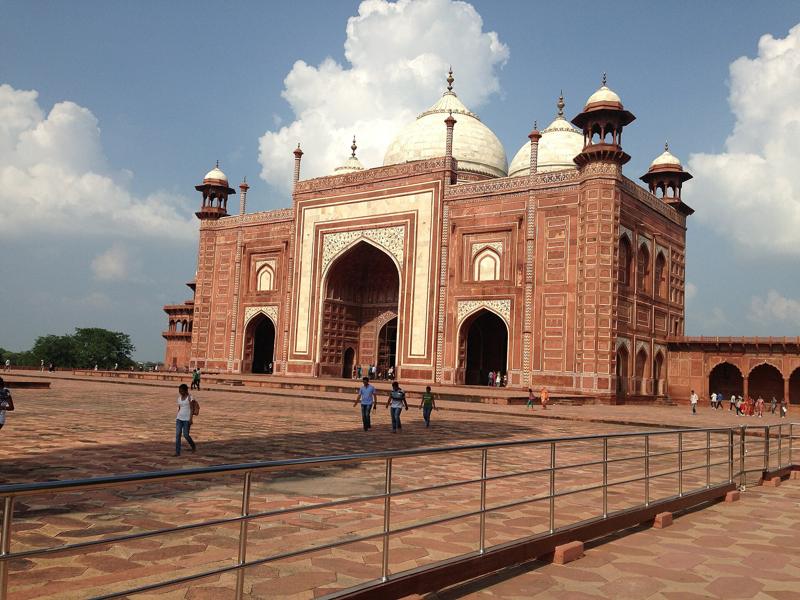
Golden Triangle for photographers
A seven-day Delhi, Agra and Jaipur journey built around light: early starts, golden-hour stops and time to stay at a scene rather than move on.
Related guides
Tell us when you are travelling.
A short message is enough. We will come back with a plan, personally.
Enquire