A seven-day Delhi, Agra and Jaipur journey built around light: early starts, golden-hour stops and time to stay at a scene rather than move on. Two mornings are given to the Taj Mahal, in case fog or crowds spoil the first. Your private car and licensed guides help you reach angles and viewpoints that ordinary tours skip.
Highlights
What stays with you
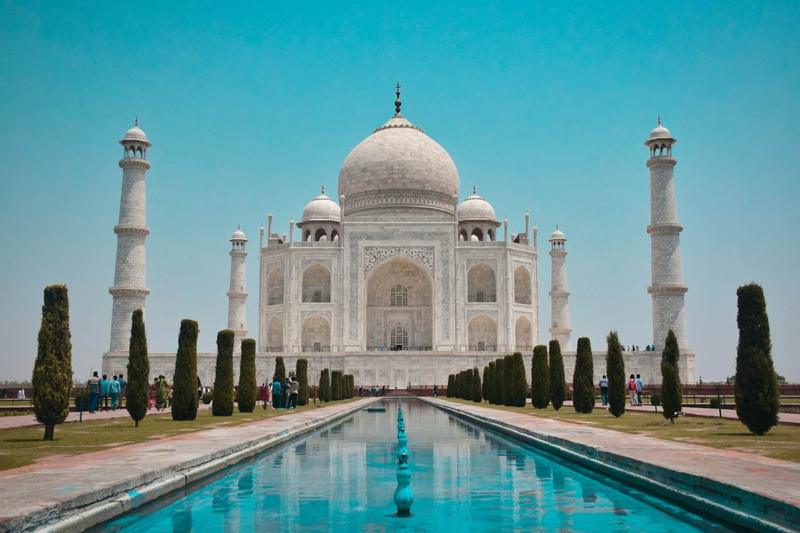
Two Taj Mahal mornings, in case the first is fogged out
Mehtab Bagh across the river at sunset
Old Delhi lanes and spice markets in morning light
Amber Fort courtyards and the Jal Mahal reflection
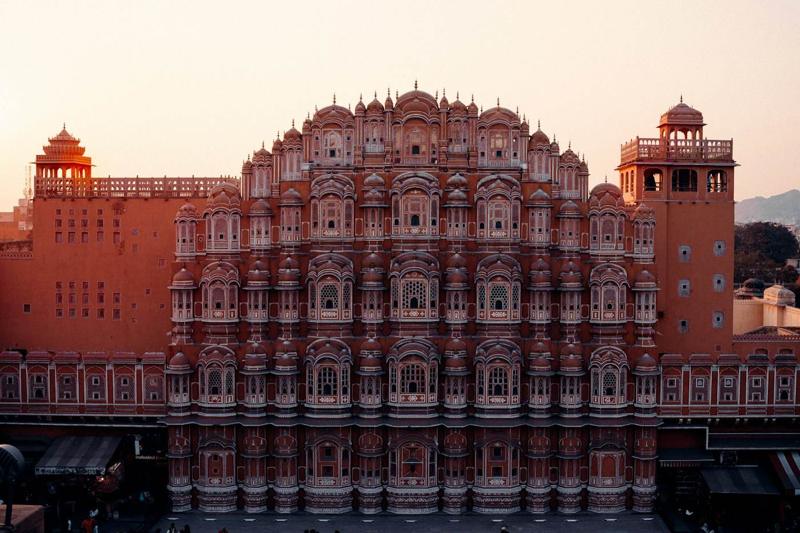
Jaipur's rooftops, Hawa Mahal facade and bazaar portraits
Flexible start times chosen around the light
Day by day
How the days go
Day1
Delhi in two kinds of light
After arrival and a rest, the day starts mid-morning in Old Delhi.
Your guide takes you into the lanes near Chandni Chowk where light falls in narrow shafts through the wires and awnings, and the spice market at Khari Baoli offers colour and faces; ask before photographing people.
Jama Masjid's courtyard is good for wide shots.
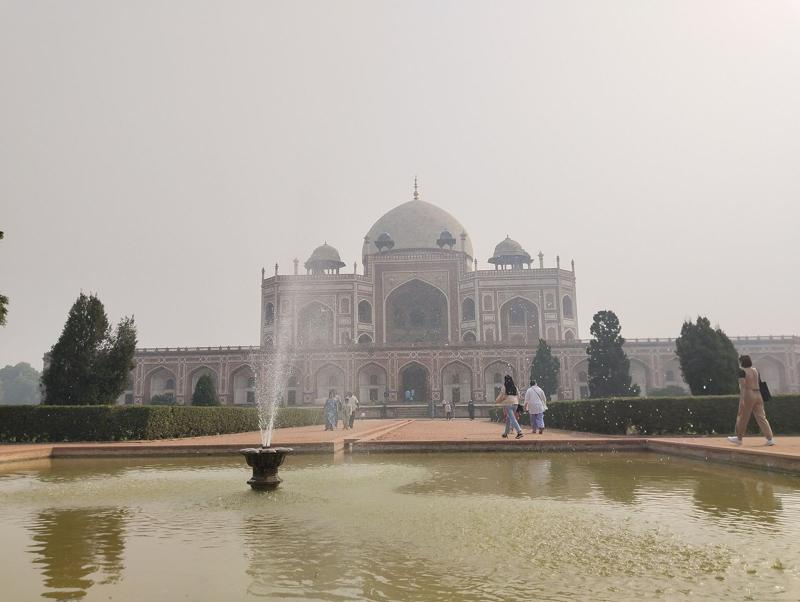
After lunch and a rest, the late afternoon light is for Humayun's Tomb, whose red sandstone and white marble glow at sunset.
Carry a wide lens and a short telephoto, and keep your gear in a small bag.
The driver waits near each site so you can change lenses in the car.
Keep a lens cloth handy, because the old city is dusty, and carry a small amount of cash for the tea sellers who often pose willingly.
Your guide will say when a lane is too crowded to stop in.
Day2
Delhi to Agra
Leave after breakfast on the four-hour expressway drive.
By lunchtime you are in Agra.
Rest, and then the afternoon is for the Agra Fort, whose red walls and carved halls give strong textures and a view over the river towards the Taj.
Go in the late afternoon for warm light.
After the fort, the driver takes you to Mehtab Bagh on the opposite riverbank for sunset, when the Taj is framed across the water.
This also lets you scout positions for tomorrow.
Dinner is at the hotel, and an early night is sensible, as the next alarm will be before dawn.
The river light is best in the half hour before sunset, so arrive at the garden early to choose your spot.
Mosquitoes can be present near the water, so bring repellent and a long-sleeved shirt.
Day3
The Taj at first light, first morning
The gates open around sunrise, and your guide leads you in through security, where tripods and large bags are not permitted.
Move straight to the central pool for the classic reflection, then wander the side gardens as the marble turns from grey to pink.
Your guide can show you where crowds gather and where they do not.
Fog in December and January can flatten the light, and that is why a second morning is planned.
The Taj Mahal is closed on Fridays.
Return to the hotel for breakfast, charge batteries and back up cards.
The afternoon is free for Itimad-ud-Daulah, the small inlaid tomb, where soft light enters through the carved marble screens.
Day4
The Taj at first light, second morning
Today you can try a different approach.
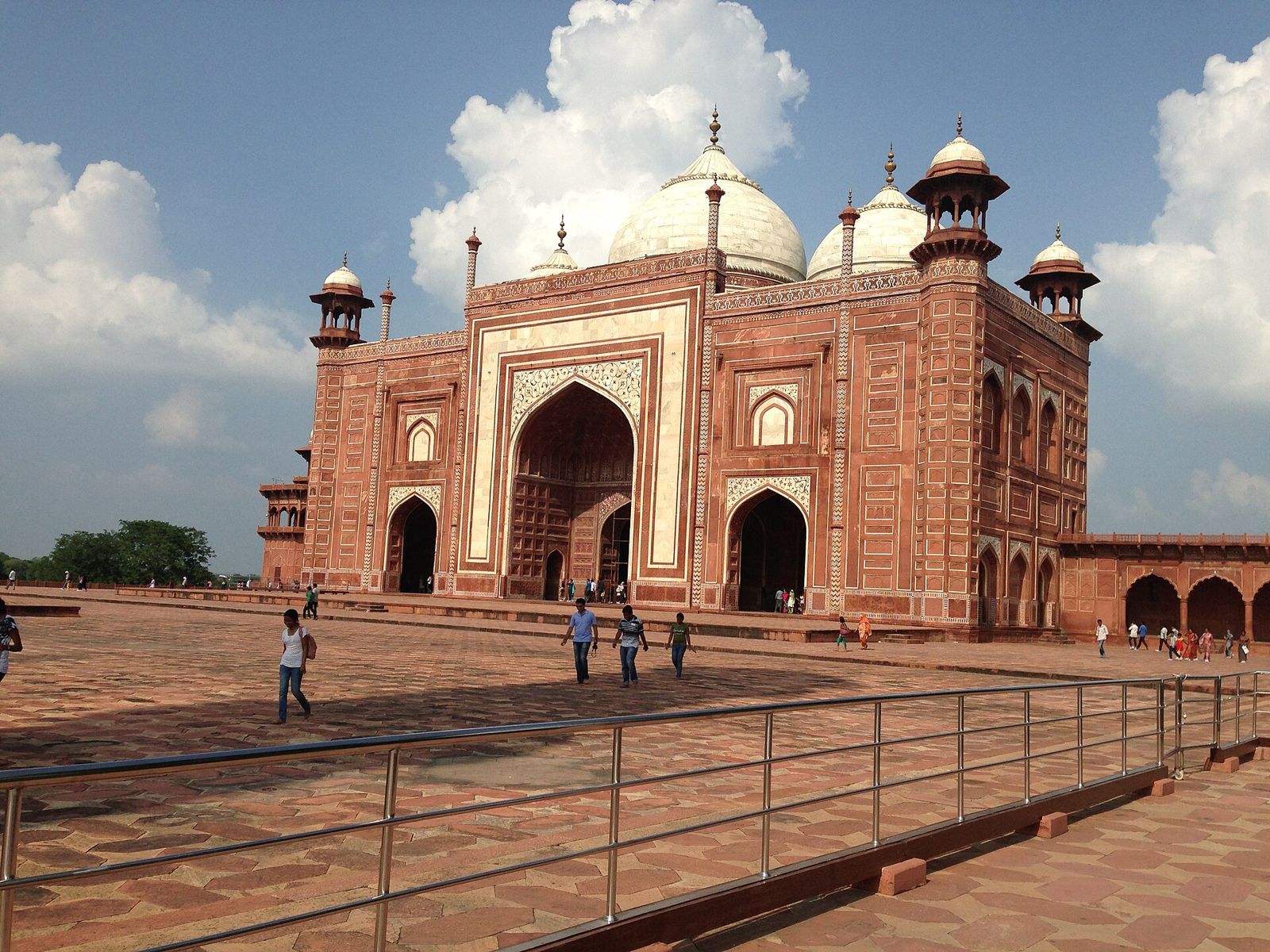
Arrive before the gates open to be among the first, shoot from the main gate arch for a framed view, then explore the mosque and its mirror building for angles on the side.
The marble changes quickly, so be patient.
If yesterday was foggy, today may be clear; if it was clear, you can focus on details such as inlay, calligraphy and faces.
Take breakfast at the hotel and rest.
In the late afternoon, the driver takes you to the lanes of the old Agra bazaar near Kinari Bazaar, for street scenes and craftsmen at work, before an early dinner.
Wide lenses suit the gateway and the courtyards, while a short telephoto picks out calligraphy and inlay on the tomb.
Leave bulky equipment at the hotel, as the gate checks are strict and slow.
Day5
Agra to Jaipur
Drive: roughly five hours
The drive to Jaipur is roughly five hours, with two good photographic stops.
Fatehpur Sikri's red sandstone courtyards are best in the late morning, and Abhaneri's deep stepwell, with its geometric staircases, makes strong abstract images.
Lunch is at a roadside restaurant.
You reach Jaipur in the late afternoon.
If light allows, your guide drives you up to the viewpoint near Nahargarh Fort for a sunset over the city.
Carry a polariser and a jacket for the breeze.
Tonight, charge batteries and check files, as tomorrow is a full shooting day.
Keep your camera bag within reach in the car, as the driver can stop at short notice when something catches your eye.
Dust and haze soften the light in the afternoon, so aim for the morning stops.
Day6
Jaipur at its best
Be at Amber Fort early, when the light hits the sandstone and the courtyards are quiet.
The mirror hall, painted gateways and views over Maota Lake offer variety.
The car then stops at the Jal Mahal for the water palace.
After lunch, the Hawa Mahal is best from a rooftop cafe on the opposite side in the late morning, or from inside the courtyard behind it.
The City Palace and Jantar Mantar are rich in texture, and Jantar Mantar's shadows are strongest around midday.
In the late afternoon, walk the Johari Bazaar for portraits of jewellers and sellers.
Always ask first, and a small tip or a purchase is usual.
Day7
Jaipur to Delhi
Drive: roughly five to six hours
Take a final sunrise or early morning walk if you like, perhaps in the old city, where shops are opening and light is soft.
Then the car leaves for Delhi, a drive of roughly five to six hours with a lunch break.
If you have an evening flight, there is time to back up your photos at the airport.
Flights are not included, so share your flight time when we plan.
Your driver takes you to the airport or hotel, and your guide can suggest additional days in Rajasthan if you want more time for photography, which can be discussed when we plan.
Spend the early hours on a last walk if your flight is late, and leave the camera bag on top of your luggage so it is easy to reach.
Charge cards and batteries before the drive begins.
Note. The Taj Mahal is closed on Fridays, so the order of days may shift. December and January fog can flatten a sunrise.
Practical
Good to know
Tripods and large camera bags are not allowed inside the Taj Mahal. A monopod may not be accepted either; check when we plan.
The Taj is closed on Fridays. Fog in December and January can flatten the sunrise, which is why this journey gives two mornings.
Always ask before photographing people, and respect signs at temples and mosques where photography is restricted.
October to March gives the clearest light. Winter mornings are cold, so bring layers for the early starts.
The details
Included, and not
Included
Private air-conditioned car and driver throughout
Licensed local guide in each city
Hotels in your chosen category, breakfast daily
Airport or hotel pickup and drop
Bottled water in the car
WhatsApp support from our Agra team
Not included
International and domestic flights
Monument entry tickets (we arrange them at cost)
Lunches and dinners
Tips for guides and driver
Travel insurance and visas
Questions
Good to know
Why two mornings at the Taj?
Fog, haze or crowds can spoil a single sunrise. A second morning gives you another chance and lets you try a different angle.
Can we bring a tripod?
Tripods are generally not permitted inside the Taj Mahal complex. Rules also vary at other monuments, so we will check when we plan.
Can the schedule shift around the light?
Yes. Start times are flexible, and your driver and guide will wait while you shoot. Sunset and sunrise are the priorities.
Is the pace suitable for a non-photographer partner?
Yes. The sights are the same as the standard route, and the driver can take a partner to the hotel or a cafe while you shoot.
Rates on request
Tell us when you are travelling.
A short message is enough. We will come back with a plan, personally.