Pack light, breathable clothing that covers shoulders and knees, comfortable shoes you can slip off easily, and a warm layer for winter mornings. Add sun protection, a small day bag and any personal medicines. The Golden Triangle changes sharply with the season, so adjust the mix of warm layers and light cotton to your dates.
The Golden Triangle is a road trip across Delhi, Agra and Jaipur, with a lot of walking at forts, palaces and temples. What you wear matters more here than on many trips, because climate, dress norms and long days on your feet all play a part.
This guide covers what to pack by season, how to dress at temples and monuments, which shoes to bring, and the small essentials that make a difference. It stays general: always check the weather before you fly.
What to pack by season
Winter, roughly December and January, brings cold mornings and often fog. Pack a warm jacket or fleece, a light layer, warm socks, a scarf and closed shoes. Afternoons can be mild, so layers you can peel off work better than one heavy coat.
Spring and autumn are the easiest months to pack for. Light layers, a thin jumper for evenings and sun protection cover most days. March and October can be warm, so favour breathable fabrics.
Summer, from about April to June, is very hot. Choose loose cotton or linen, a wide brimmed hat, sunglasses and a refillable water bottle. The monsoon, roughly July to September, calls for a light rain jacket or compact umbrella and quick drying clothes. Our guide to the best time for the Golden Triangle covers the seasons in more detail.
As a rule, bring fewer items that mix and match instead of a full wardrobe. Neutral colours, one or two light layers and a pair of good shoes will carry you through the trip.
Temple and monument dress: what to cover
At temples, mosques and some monuments, modest dress is expected. A good rule is to cover shoulders and knees. Loose trousers, long skirts, and tops with sleeves work for everyone. A light scarf or shawl is useful, since it covers shoulders quickly and doubles as a head cover where it is required.
Many sacred sites ask you to remove your shoes. Carrying a pair of clean socks makes this easier on hot or cold stone. Your guide can tell you which sites ask for what, and shoe storage is usually available nearby.
The Taj Mahal does not have a strict dress code in the way a temple does, but covered shoulders and knees are respectful and also keep you comfortable. Our guide to Taj Mahal dress code and rules covers what is allowed inside, including bag limits.
Women often find a long skirt, loose trousers or a long tunic comfortable, and men find lightweight long trousers and a shirt with sleeves practical. For anyone, thin fabrics that dry quickly are more comfortable than heavy denim, which gets hot in the sun and slow to dry if you are caught in rain.
Footwear matters on cold days too. Marble and stone floors feel much colder underfoot than the air, so thick socks are worth packing. A lightweight rain layer is also handy for the rare shower, and a small folding umbrella takes almost no space in a day bag.
Footwear for forts, steps and marble
You will walk a lot. Forts such as Amber and Agra Fort involve ramps, stone steps and uneven ground. Comfortable, broken in shoes with good grip are the best choice. Sandals with a back strap are fine in warm months.
Because you will take shoes off at temples and sometimes at the Taj Mahal platform, slip on styles save time. At the Taj Mahal, shoe covers are commonly provided for the marble area, so you may not need to go barefoot, but this can change, so follow the staff instructions.
Avoid brand new shoes for the first day. Blisters on day two of a road trip are easy to avoid.
Essentials that are easy to forget
Sun protection: sunscreen, sunglasses and a hat, even in winter, because afternoon sun can be strong. Water: a refillable bottle is handy, and your driver will keep water in the car.
Personal medicines and a small first aid kit, including anything you take regularly, plus basic stomach remedies. Hand sanitiser and tissues are useful, as public toilets may not always stock them.
Documents: your passport and visa documents, kept safely and copied digitally. Travel insurance details. A power adaptor for Indian sockets, a power bank, and a phone with offline maps. A small day bag, since large bags are restricted at some monuments.
Pack a small bag of basics for the car: tissues, sanitiser, sunscreen, a charging cable and a light snack. The long drive between cities is easier when small things are within reach. Many travellers also find a neck pillow or a light blanket helpful on long road days, especially in cool weather.
If you wear contact lenses, remember that dust can irritate the eyes, so carry spare lenses, glasses and eye drops.
Bags, cameras and what monuments restrict
At the Taj Mahal, security screening is strict and only small bags are usually allowed in. Food, tripods and certain items are commonly restricted, so carry only what you need. Rules change, so ask your guide on the day.
Cameras are allowed, but some sites charge separately for video or professional equipment, and some interiors forbid photography. Your guide will tell you what applies at each site. Our photography guide covers the Taj Mahal in more detail.
Pack a lightweight, secure day bag with a zip. Leave valuables you do not need in the hotel safe.
Luggage and packing light
Hotels do laundry quickly, so you do not need a suitcase full of clothes. A medium suitcase and a day bag are plenty for a week. The car has room for your luggage, which is one advantage of travelling with a private driver instead of public transport.
Leave space for souvenirs. Textiles, block printed fabrics and handicrafts from Jaipur are a common reason bags get heavier on the way home.
Dark colours show dust and light colours show dirt, so mid tones in washable fabrics are the practical middle.
Finally, leave space for what the road gives you. Many guests come home with more than they left with, so packing light on the way out gives you room on the way back. If you tell us your dates, we can talk through the likely weather when we plan.
A little preparation goes a long way: carry a refillable bottle, keep a light snack in the car, and put a warm layer within easy reach. Small comforts make the long road days easier, and a driver who has done the route often can suggest sensible places to stop for tea.
People also ask
Do women need to cover their heads at temples in the Golden Triangle?
Can I wear shorts in Delhi, Agra and Jaipur?
What shoes are best for the Golden Triangle?
Do I need to bring a lot of warm clothes in winter?
Can I take a big bag into the Taj Mahal?
Is laundry easy to arrange on the trip?
Take it privately
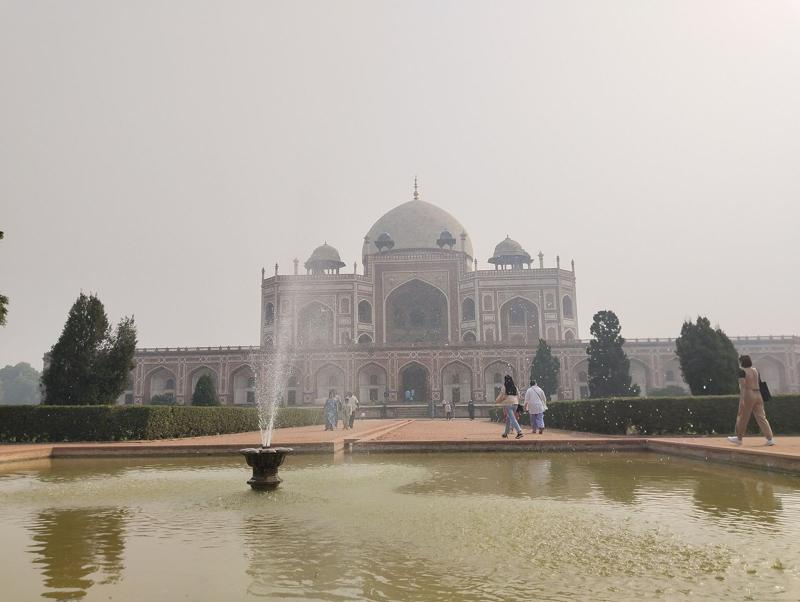
Golden Triangle for first-timers
Five days for people who have never been to India, with the practical side taken care of.
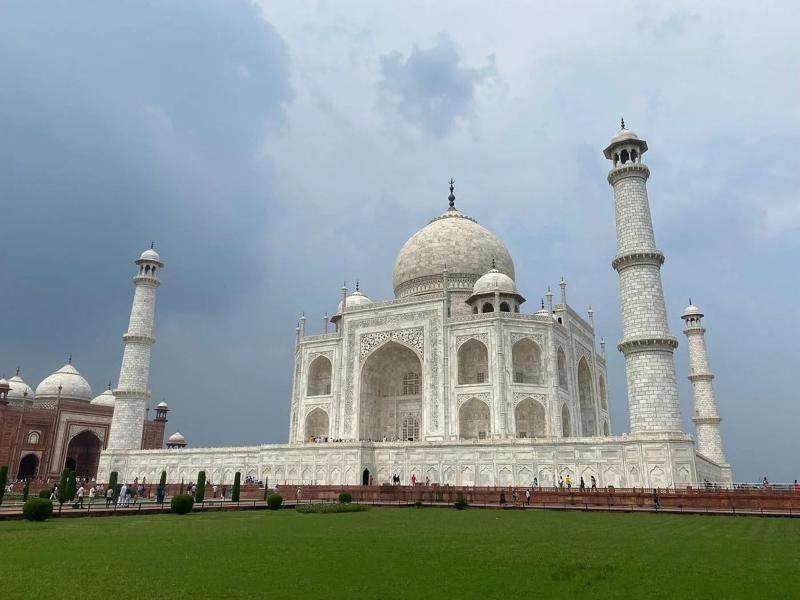
4-Day Private Golden Triangle
Four days with an arrival day in Delhi, then Agra, Jaipur and the drive back.
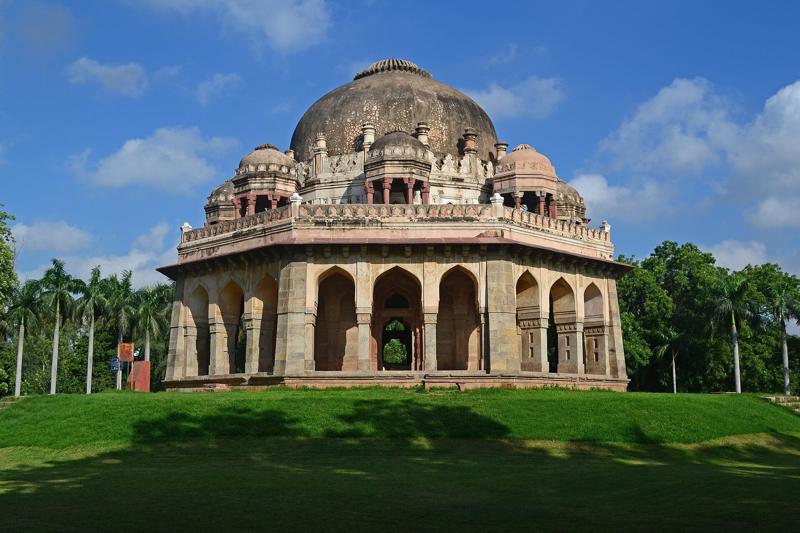
Golden Triangle at a gentle pace
Eight days through Delhi, Agra and Jaipur with a rest day built in, no day asking for more than one main outing, and drives kept to a few hours at a time.
Related guides
- What to Wear to the Taj Mahal and What You Can Carry In→
- Best Time to Do the Golden Triangle, Month by Month→
- Golden Triangle in December and January: Fog, Cold Mornings and What to Expect→
- Taj Mahal Photography Tips: Light, Angles and What Is Allowed→
- Golden Triangle for First-Time Visitors: What to Expect→
Tell us when you are travelling.
A short message is enough. We will come back with a plan, personally.
Enquire