December and January are a good time for the Golden Triangle, with mild, clear afternoons and comfortable sightseeing, but mornings are cold and fog is common. Fog can flatten a Taj Mahal sunrise and slow the roads, so the plan needs slack and a flexible order of days. Dress in layers and expect to start later than you would in other months.
Winter is the season most visitors picture when they plan India. The days are comfortable, the sun is soft, and walking through forts and gardens is a pleasure instead of an effort. It is also the busiest stretch of the year for travel in north India, and it comes with one real complication: fog.
This page explains what December and January are actually like in Delhi, Agra and Jaipur, what the fog does and does not change, and how we plan a private journey so that a grey morning does not spoil the trip.
What the weather is really like in December and January
In the Golden Triangle, December and January are the coolest months of the year. Daytime is usually pleasant, often comfortable in a light jacket or even a shirt once the sun is up. Nights and early mornings are properly cold, and in the plains around Delhi and Agra they can feel colder than the number suggests because the air is damp and houses are rarely heated.
Jaipur and the rest of Rajasthan tend to be a little clearer and drier than the Delhi and Agra stretch. Rain is uncommon in these months, though a cold spell with a passing shower can happen. Expect the sun to set early, so the light for afternoon sightseeing fades earlier than in spring or autumn.
Forecasts vary from year to year, so treat any figure as a rough guide and check closer to travel. What stays consistent is the pattern: cold start, bright middle of the day, cool evening.
If you are used to a mild climate, the contrast between a cold dawn and a warm afternoon is the thing to prepare for. It is common to start the day in a jacket and be carrying it by lunch.
Fog in Delhi and Agra: what it does to your days
Fog is the main thing to plan for. In the plains of north India it tends to settle overnight and can linger well into the morning, sometimes until late morning on the heaviest days. It is most common from mid December through January, though it is not guaranteed on any particular day.
On a foggy morning visibility can be low enough to slow traffic on the expressways and highways. Drivers go carefully, and journeys that take a set time in clear weather can take longer. Flights and trains in the region can also be delayed or retimed in dense fog, which matters if you are connecting onward.
The fog usually lifts by midday and the afternoons are often bright. So the practical effect is a shift in rhythm: an early start is less useful than a start that waits for visibility, and the middle of the day becomes the best time to be outdoors.
Smog and haze can add to the grey in and around Delhi at this time of year, especially in the colder weeks. It does not stop sightseeing, but it can soften views and make the air feel heavy early in the day. Some travellers with breathing sensitivities choose to carry a mask and to ask us about the order of days when we plan.
Taj Mahal at sunrise in winter: will fog ruin it?
Sunrise at the Taj Mahal is a lovely idea and in winter it is a gamble. On a clear morning the marble turns from grey to pale gold as the light rises. On a foggy one, the monument can be a soft outline for the first hour or more, and photographs look flat.
Fog does not close the Taj Mahal. You can still go in, walk the gardens and see the building as the mist thins, and many guests find that quieter, moodier version rewarding in its own way. But if a clean view is the point of your visit, it is wise not to stake the whole trip on one dawn.
Remember also that the Taj Mahal is closed on Fridays, which affects how you order the days. We cover timings and options in more detail in our guides to sunrise and sunset visits. A second chance later in the day, or at the nearby Mehtab Bagh viewpoint across the river, can give you a better look if the morning stays grey.
How we plan a winter journey around the fog
Because the weather is the one thing nobody controls, we plan winter days with slack rather than a tight schedule. That means a flexible order of the major sights, so that a grey Taj Mahal morning can swap with a fort or a market in the afternoon and the Taj can be seen when the air has cleared.
It also means building in time between cities. If a long drive is likely to be slowed, we would rather leave a comfortable margin than race to a hotel check in. A private car and driver make this easy: nobody is waiting for a coach to fill, and the day can start later without anyone losing their place.
If you have a flight or train out of the region, tell us when you plan and we will build the final days to leave a buffer. Flights between cities are not included in our journeys, and we can discuss options for timing when we plan.
A typical winter day might start with a relaxed breakfast, a mid morning departure once visibility has improved, a long lunch, and the main sight in the softer afternoon light. That is not a fixed rule, only a pattern we lean on, and the plan is always adjusted to the actual weather and your own preferences.
Hotels are arranged by category, and in winter many guests appreciate a room that is properly warm in the evening. Tell us if this matters to you and we can discuss it when we plan.
What to wear and bring for cold mornings
Layers work best. A warm jacket or fleece for the early hours, a light layer underneath, and something you can take off by midday. A scarf or shawl helps in cold gardens and doubles for covering shoulders at temples.
Closed shoes with socks are sensible on cold marble, and warm socks matter because you will remove your shoes at some sites. A hat and gloves are worth packing if you are sensitive to cold. Sunscreen and sunglasses are still useful, since the afternoon sun is strong in clear weather.
Our packing guide for the Golden Triangle covers this in more detail by season, including what to wear at temples and monuments.
Is winter the right time to go?
For most people, yes. The days are comfortable, the sightseeing is easy, and the cities feel at their best in the afternoon light. Late December and the new year are also the busiest weeks for domestic and international travel, so it helps to plan early and be flexible.
If you dislike cold mornings or want the clearest possible views, February and early March are worth considering, with warmer days and less fog. If you are set on December or January, the approach above works well. Our guide to the best time for the Golden Triangle compares the seasons side by side.
When you are ready, we can plan a private journey around your dates, with the order of days chosen to give the Taj Mahal the best chance of a clear view.
There is one more reason to plan early for winter: it is the season when many travellers want the same dates, so flexibility on the exact days helps you more than any other single choice.
People also ask
How cold does it get in Delhi and Agra in December and January?
Is the Taj Mahal open when it is foggy?
Can fog delay my flights or trains?
Is the Taj Mahal open every day in winter?
What time does the fog usually lift?
Is it too cold to enjoy Jaipur and Rajasthan in winter?
Take it privately
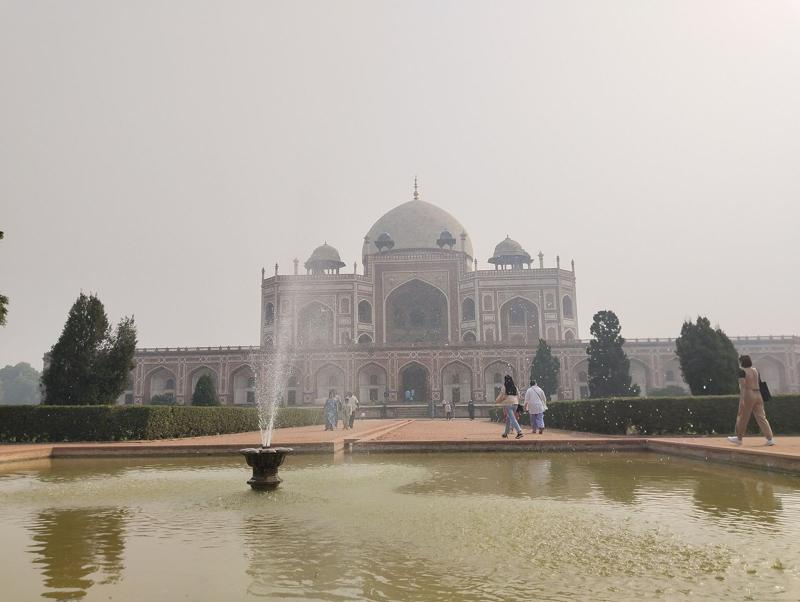
Golden Triangle for first-timers
Five days for people who have never been to India, with the practical side taken care of.
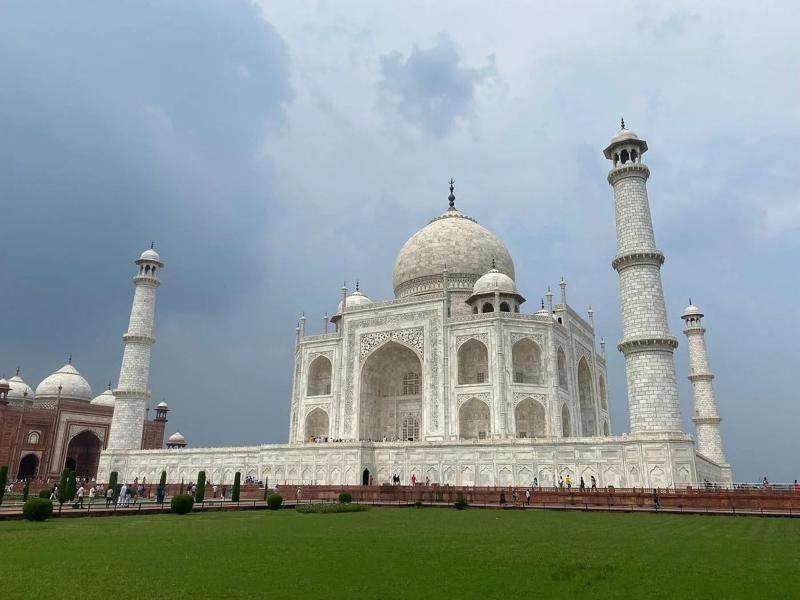
4-Day Private Golden Triangle
Four days with an arrival day in Delhi, then Agra, Jaipur and the drive back.
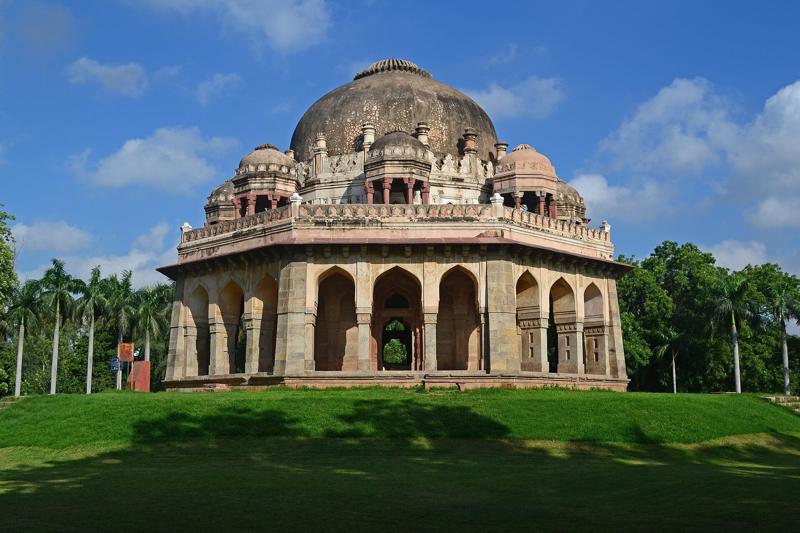
Golden Triangle at a gentle pace
Eight days through Delhi, Agra and Jaipur with a rest day built in, no day asking for more than one main outing, and drives kept to a few hours at a time.
Related guides
Tell us when you are travelling.
A short message is enough. We will come back with a plan, personally.
Enquire