From the USA, UK or Australia, plan to arrive in Delhi a day before the sightseeing starts, or at least keep your first day light. Long flights and a large time difference mean jet lag is real, so give yourself a soft landing. Check visa rules on official government sources well ahead of travel, as requirements depend on your passport and change over time.
Flying to India from the other side of the world is a big step, and the Golden Triangle is a classic first trip because Delhi is the main gateway and the route runs by road from there. A little planning at the start makes the whole trip calmer.
This page covers the practical questions travellers from the USA, UK and Australia ask most: when to fly, what the arrival day looks like, how to handle jet lag, and the basics of visas. It is general guidance, not legal advice, and it does not include fares.
Which airport to fly into for the Golden Triangle
Delhi is the natural arrival point. The route runs from Delhi to Agra to Jaipur and usually back to Delhi, so landing and leaving through the same airport keeps things simple. Most long haul flights from North America, the UK and Australia reach Delhi either direct or with one stop, depending on the airline and your departure city.
Some travellers prefer to fly into Delhi and out of Jaipur, or the reverse, to avoid doubling back. This can work well, but remember that flights between cities are not included in our journeys, so a one way route means arranging your own onward flight. We can discuss the routing when we plan.
Flight timing and your arrival day
From the USA, many flights arrive in Delhi in the late evening or the early hours, because you cross a large time difference on the way. From the UK, arrivals are often in the evening or overnight. From Australia, arrival times vary widely by route and can be early morning or night.
The best approach is to treat your first day as arrival only. If you land late at night, go straight to the hotel and rest. If you land in the morning, avoid packing a full day of sightseeing, even if you feel awake. A short drive, a long lunch and an early night is a better start than a rushed first day.
With a private driver, someone is waiting for you after you clear the airport, and you are not working out transport on arrival while tired. We explain what this looks like in our guide to airport pickup in Delhi.
If you are connecting through another hub, leave a comfortable gap between flights. A missed connection on the way in can shift your first day, and a late arrival can be handled much more easily if we know about it in advance.
Jet lag: how to handle it on a Golden Triangle trip
Jet lag is the main hidden challenge of this journey, and it affects people differently. Travellers from the USA, with the biggest time difference, often feel it most. Common advice includes getting daylight in the morning, keeping caffeine moderate, drinking water, and avoiding long daytime naps that make nights harder.
Plan the first two days gently. An early Taj Mahal sunrise on your first morning in Agra is lovely in theory but tough if your body clock is still on home time. Many travellers do better with a later start in the first days, then move to earlier mornings once they have adjusted.
Do not rely on a single fix. Some people sleep well from the first night, others take three or four days. Build in a bit of slack and the rest follows.
Practical habits help too. Set your watch to Indian time as soon as you board, eat roughly on local schedule, and try to be outdoors in daylight on your first morning. Sleeping tablets and other remedies are a personal decision, and it is sensible to talk to your own doctor about what is right for you.
Visa basics, described generally
Most visitors to India need a visa, and the type and process depend on your nationality, the length of your stay and your purpose of travel. Many travellers apply online for an electronic visa before departure, but rules, eligible nationalities and processing arrangements change, and details vary by passport.
Because this is the part most likely to be out of date in any guide, check the official Indian government visa website and your own government's travel advice before you book flights. Make sure your passport has enough validity remaining and enough blank pages, and apply with time to spare.
We cannot advise on individual visa eligibility. What we can do is share your arrival and departure plans so your dates fit the journey, and the official sources will tell you what you need to apply.
Allow plenty of time to apply. Some travellers prefer to apply as soon as their dates are fixed. Keep digital and printed copies of your approval with your passport, since you may be asked for them at the airport on arrival and by some airlines at check in.
If you travel with a child or have a complicated itinerary, such as arriving by land or visiting other countries on the same trip, the official guidance is the place to confirm the details.
How many days to allow, and when to go
If you are flying a long way, a very short trip can feel rushed. A route of about five to seven days on the ground gives a calmer pace, with more time for Delhi, Agra and Jaipur and room to recover from the flight. Our guide to how many days to allow compares options.
The cooler months from roughly October to March are the most popular, with the caveat that December and January bring cold mornings and fog. Summer is very hot, and the monsoon brings rain and humidity. Our guide to the best time for the Golden Triangle goes through the seasons.
Check the Taj Mahal closure on Fridays when you set your dates, so that your Agra day falls on another day of the week.
Think about your return as well. A late night departure from Delhi can leave you with a long final day. If your flight home leaves in the small hours, we can plan the last day so you are not left waiting with luggage, and discuss a hotel room for the afternoon if you want one.
What a private journey adds for long haul travellers
After a long flight, the last thing most people want is to make decisions. A private journey with your own car and driver and a licensed guide in each city removes many of them. Hotels are arranged by category, tickets are arranged for you, and the pace is set by you.
You can also be flexible about timings if flights are late or you need more rest on day one. We discuss your arrival details when we plan so the first day matches how you will actually feel.
No payment is taken until your plan is confirmed, and rates are on request once we know your dates and the shape of the trip.
Health matters are worth a conversation with your doctor or a travel clinic before you go. Routine vaccinations and any travel specific advice depend on your own history, and it is best to start well ahead of departure. Travel insurance that covers medical care and trip changes is also sensible.
People also ask
How early should I arrive before starting the Golden Triangle?
Do I need a visa to visit India from the USA, UK or Australia?
How bad is jet lag for this trip?
Should I fly into Delhi and out of Jaipur?
Is it safe to arrive late at night in Delhi?
How long should I plan on the ground after a long flight?
Take it privately
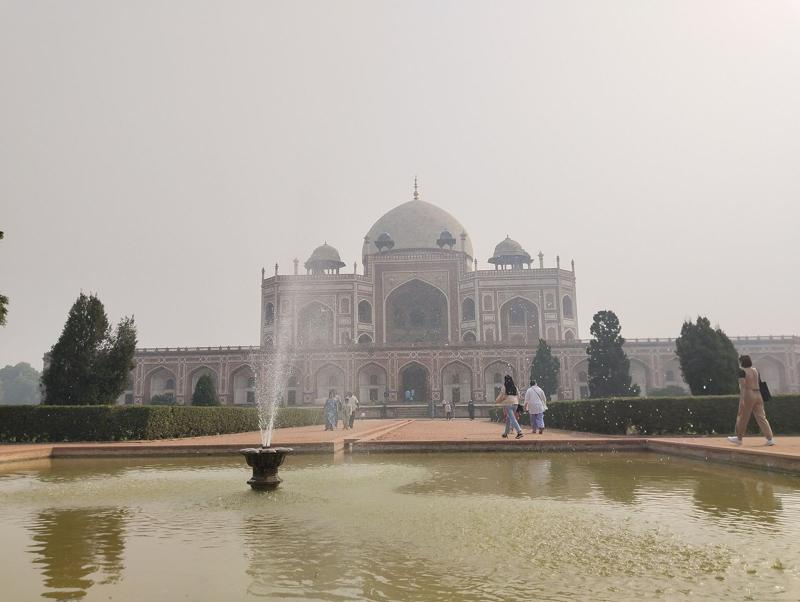
Golden Triangle for first-timers
Five days for people who have never been to India, with the practical side taken care of.
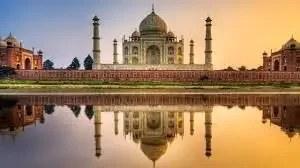
5-Day Private Golden Triangle
Five days that give each city its own space: a Delhi day, a drive to Agra, the Taj Mahal at first light, then Jaipur and the drive back.
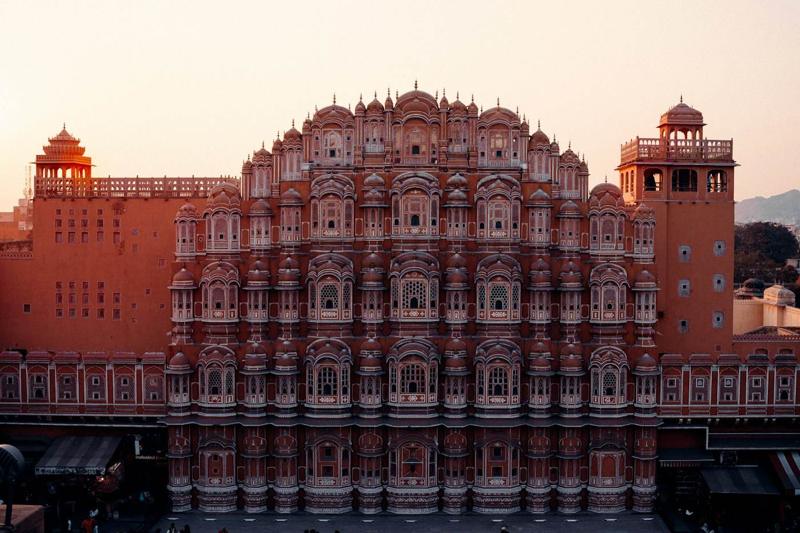
6-Day Private Golden Triangle
Six days that add a full day in Jaipur and a proper evening in Delhi.
Related guides
Tell us when you are travelling.
A short message is enough. We will come back with a plan, personally.
Enquire