A private driver in India meets you at the airport or hotel in an air-conditioned car, takes you between cities and sights on a route agreed in advance, and waits while you visit each place. In cities, a licensed guide usually joins you for the visits while the driver handles the road, the parking and your comfort. It is a calm, unhurried way to travel, and it removes most of the daily decisions.
Many first-time visitors to India wonder what a chauffeur-driven trip actually feels like from one day to the next. Will the driver speak English? Who decides when you stop? What happens at the monuments? These are sensible questions, and the honest answer is that a good private driver day is quieter and simpler than most people expect.
This page describes a typical day in general terms, so you know what to expect from any reputable private driver arrangement. Details vary by company and by journey, so treat it as a guide to the shape of the experience rather than a promise about any one trip.
What a private driver in India actually does
A private driver is responsible for getting you safely and comfortably from one place to the next. That covers the airport meeting, the long road between cities, the short hops inside a city, and the waiting at each stop. The car is yours for the day, so you are not sharing it with other travellers and you are not tied to a fixed group departure.
Indian roads are busy, and a driver who knows them well is a real advantage. They know which hours to avoid, which routes are quicker in practice than on a map, and where to stop safely. Most of what a driver does is invisible: reading traffic, choosing the moment to leave, finding the right gate at a monument.
A driver is not usually your guide. They are professionals at the road, and some speak very good English, but explaining history and culture is the guide's work. Think of the driver as the person who looks after movement and the guide as the person who looks after meaning.
The car and what to expect inside
For private journeys the usual vehicle is an air-conditioned sedan or a larger people carrier, depending on how many of you are travelling and how much luggage you have. Ask about the vehicle type when you plan, especially if you travel with several large suitcases or with children.
Bottled drinking water is normally kept in the car, and many drivers also carry a few small comforts. What is provided differs between operators, so it is fair to ask. Seat belts are available, and you can ask the driver to adjust the air conditioning, the music or the pace at any time.
The car stays with you through the day. You can leave a jacket, a camera bag or purchases in it while you visit a monument, though sensible travellers still keep passports, cash and valuables with them.
How a typical day on the road unfolds
A day usually starts after breakfast at your hotel. The driver is waiting at the agreed time, often with the car already cool. If you are moving between cities, the first stretch is the longest, and a gentle early start tends to pay off because traffic builds later in the morning.
Between cities, expect a comfort stop roughly every couple of hours, or sooner if you ask. Highway rest areas have clean enough facilities in many places, and drivers know which ones suit foreign visitors best. A lunch stop is usually somewhere you choose, and you can ask for a simple place or a more comfortable restaurant.
At a monument or a city sight, the driver drops you at the best entrance, parks, and waits. Some sites restrict vehicles near the entrance, so a short walk or a battery-powered shuttle is common. Your driver explains this beforehand so nothing feels like a surprise.
In the evening you are returned to your hotel, and the plan for the next morning is confirmed. Many guests find that this rhythm, one clear pickup time and nothing else to organise, is the quiet luxury of the whole trip.
Choosing the route, the pace and the breaks
One of the main reasons to hire a private driver is that the route and the pace are yours. A sensible plan is agreed in advance, with the cities in order and the main visits placed at the right time of day. After that, you can adjust. If you want to linger at a market, stop for a photograph at a roadside village or skip a sight that does not interest you, say so and the day bends to fit.
There are limits worth knowing about. Drivers have working hours and rest requirements, monuments have opening times, and some days (the Taj Mahal is closed on Fridays) are fixed by the site itself. A good plan works around these rather than fighting them.
Flexibility is also a matter of honesty about timing. Roads in India are less predictable than they look on a map, so a journey that appears to take a few hours can stretch when there is a diversion or heavy traffic. A calm schedule leaves room for this.
How the driver and the guide work together
In a well-run private journey, the driver and the licensed guide are a team. The driver brings you to the monument and the guide meets you there, or travels with you in the car for the city day. The guide leads the visit on foot, explains what you are seeing and handles the entrance process, while the driver parks and waits.
In many journeys the guide is local to each city rather than travelling the whole route, because a guide who knows Agra deeply is not necessarily the one who knows Jaipur. That means you may meet a new guide in each city, while the driver stays with you throughout. Ask how this will work on your trip so there are no surprises.
If you want to change something during a visit, such as leaving a site earlier or spending longer in a courtyard, tell the guide, who will pass the plan to the driver. Having one point of contact for each part of the day keeps things simple.
Practical points: communication, safety and etiquette
Agree on how to reach your driver before you set out. Most travellers exchange phone numbers or use a messaging app, so you can find each other easily after a visit. Keep the number saved in your phone, and save your hotel's name and address as well.
Safety on the road is a combination of the driver's judgement and your own sense. If the driver is driving in a way that makes you uncomfortable, say so politely; a good driver will adjust. Wearing a seat belt is sensible, even on short trips.
On courtesy, a friendly greeting and a clear, unhurried request go a long way. Drivers often spend long days away from home, and a little interest in their day is appreciated. How gratitude is shown at the end of a trip is covered in our page on tipping guides and drivers in India.
People also ask
Does a private driver in India speak English?
Is it safe to hire a private driver in India?
Does the driver wait while I visit monuments?
Can I change the route or stop where I like?
Should the driver and guide be the same person?
How far can a driver travel in one day?
Take it privately
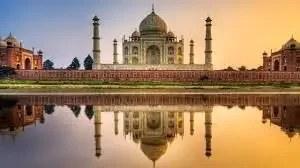
5-Day Private Golden Triangle
Five days that give each city its own space: a Delhi day, a drive to Agra, the Taj Mahal at first light, then Jaipur and the drive back.
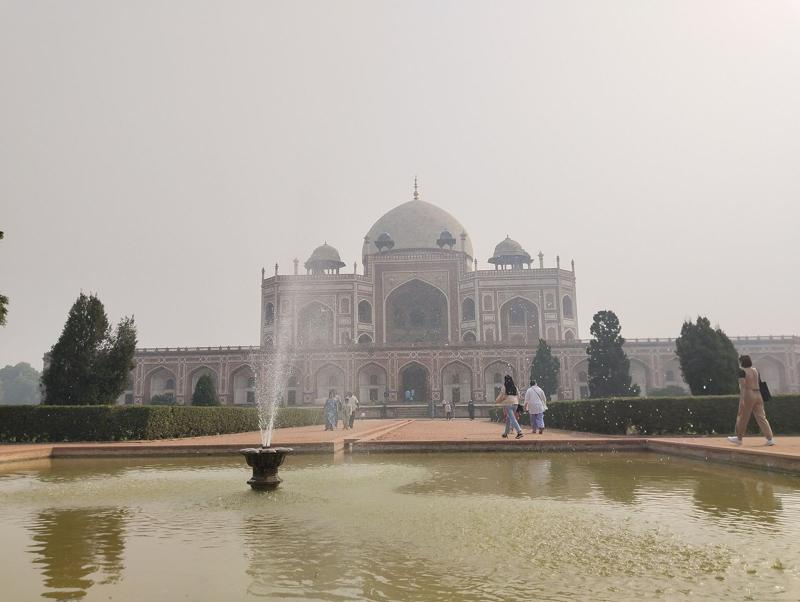
Golden Triangle for first-timers
Five days for people who have never been to India, with the practical side taken care of.
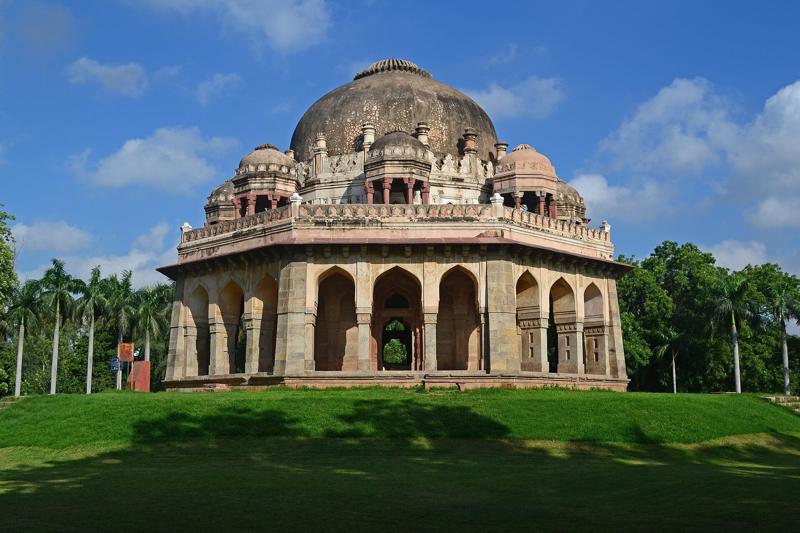
Golden Triangle at a gentle pace
Eight days through Delhi, Agra and Jaipur with a rest day built in, no day asking for more than one main outing, and drives kept to a few hours at a time.
Related guides
Tell us when you are travelling.
A short message is enough. We will come back with a plan, personally.
Enquire