Tipping a guide or driver in India is optional and always at your discretion. It is a way of saying thank you for good service, usually given at the end of the trip or the day, in a small envelope or by hand. There is no fixed rule, so tip according to how you felt about the service and what is comfortable for you.
Tipping is one of the questions travellers ask most often before a first trip to India, and also one of the most worrying. People fear giving too little or too much, or doing it in an awkward way. The honest answer is that no single rule applies, and the best approach is to be relaxed, courteous and thoughtful.
This page explains how tipping is generally understood, who you might thank, and how to do it gracefully. We do not give amounts here, because there is no correct figure and good service is a personal judgement. We keep the focus on etiquette, timing and the spirit of the gesture.
Is tipping expected in India?
Tipping is customary and appreciated, but it is not mandatory. It is a gesture of thanks, not a bill. Guides and drivers who work with visitors are used to receiving tips, and many see them as a recognition of care and effort, but nobody should pressure you into giving one.
If you are happy with the service, a tip is a kind and normal way to show it. If you are not satisfied, you are under no obligation. Good service is the reason to tip, and that decision is yours alone.
It helps to know that rules differ between travellers' home countries. Some visitors come from places where tipping is built into every bill; others from places where it is rare. In India it sits somewhere in between: welcome, not required.
Who you might tip on a Golden Triangle trip
The people most travellers think of are the licensed guide in each city and the driver who stays with you throughout. The driver typically spends the longest time with you, often many days, and shares much of the practical effort of the trip. The guides give their time and knowledge at each monument.
Hotel and restaurant staff are a separate matter. Porters who carry your bags, housekeeping staff and waiters in restaurants may also appreciate a small token. Check whether a service charge is already added to a restaurant bill before adding anything extra.
You do not need to thank everyone. Thinking about the people who gave you the most attention and effort is a sensible way to decide.
Seasoned travellers often suggest thinking about the whole journey, not each day in isolation. A driver who has kept you safe, patient and comfortable through several cities has contributed to every day of the trip, and a guide who adjusted the pace to your energy has done more than recite facts. Gratitude for that is natural, and it needs no formula.
When and how to give a tip
For a guide, the natural moment is at the end of the visit or the day, when you say goodbye. For a driver, the natural moment is at the end of the journey, when you are dropped at the airport or the final hotel. A multi-city trip with several guides means you thank each one at the end of their day.
Hand the tip over quietly and directly, with a handshake and a clear thank you. An envelope is a tidy and discreet way to do it. Using your right hand, or both hands, is a courteous touch.
Keep it simple and unhurried. There is no need to make a speech or to wait for a reaction. A sincere thank you and a brief mention of what you enjoyed matter as much as the gesture.
How to decide what feels right
Because no fixed rule applies, the question is really about your own judgement. Think about the length of time you spent with the person, the care they took and how much the service added to your trip. A driver who handled long roads patiently, or a guide who made a monument come alive, has earned your gratitude.
Some travellers set aside a small amount in cash for gratuities before the trip, keep it separate from everything else and share it out as they go. That can reduce the awkwardness of deciding in the moment. Others prefer to go with their feelings at the end of each day.
If you are travelling in a group, you might agree a plan with your companions so that you are all comfortable. If you are unsure, ask your planner before you leave. We are always happy to talk it through in general terms.
A good approach is to decide quietly in the evening, when the day is fresh in your mind, and to keep the envelope ready for the next morning or the final goodbye. If you are travelling with another person, talk it over together so you both feel comfortable with the decision.
Currency, cash and practical details
Tips are usually given in cash. Carrying a small amount of local currency in modest denominations makes it easy to thank someone without needing change. Your hotel or a bank can help you get smaller notes, and keeping them in a separate pocket or envelope saves fumbling.
If you forget on the day, do not worry. A kind message afterwards is welcome, and a review that mentions a guide or driver by name is also a thoughtful way to show appreciation.
Do not tip with items such as clothing or gifts unless you know the person well. Cash is the simplest and most useful form of thanks.
What not to worry about
You do not need to tip at every stop, for every small favour or for people who have not served you directly. If someone at a site offers an unrequested service and expects a tip, you can politely decline.
Nor should you feel anxious about getting it wrong. Guides and drivers know that visitors come from many places with many customs, and a sincere thank you is always received warmly. The intent matters more than the detail.
If you ever feel pressured or unsure, speak to your guide or planner. A good company will always make clear that tips are voluntary and will help you handle any awkward moment.
It is also fine to say nothing about tipping before the trip and ask your planner about general customs as the day approaches. We are glad to explain how it usually works without telling you what to give. The goal is that you leave feeling you thanked the people who looked after you in a way that felt natural.
People also ask
Do I have to tip my guide or driver in India?
When is the best time to give a tip?
Should I tip in cash or by another method?
Is a service charge on a bill the same as a tip?
Can I tip the whole team through the company?
What if I am unhappy with the service?
Take it privately

5-Day Private Golden Triangle
Five days that give each city its own space: a Delhi day, a drive to Agra, the Taj Mahal at first light, then Jaipur and the drive back.
Golden Triangle for first-timers
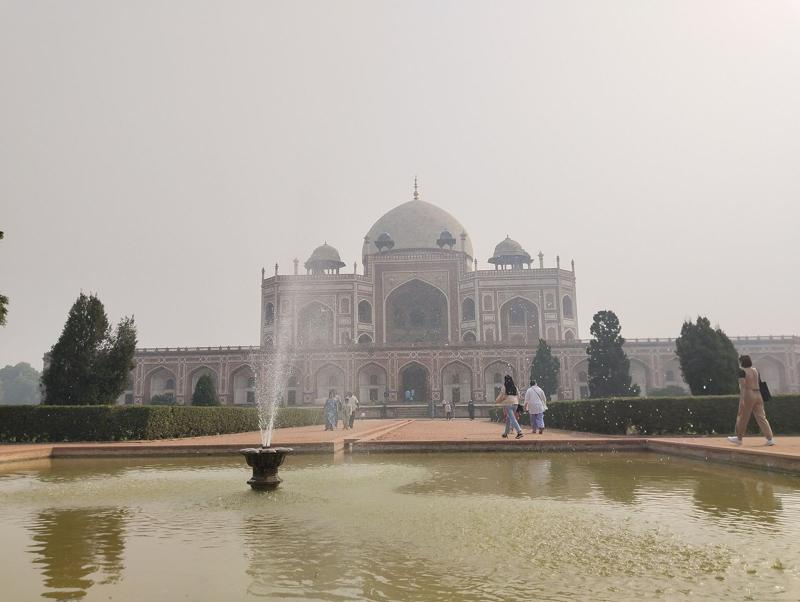
Five days for people who have never been to India, with the practical side taken care of.
7-Day Private Golden Triangle
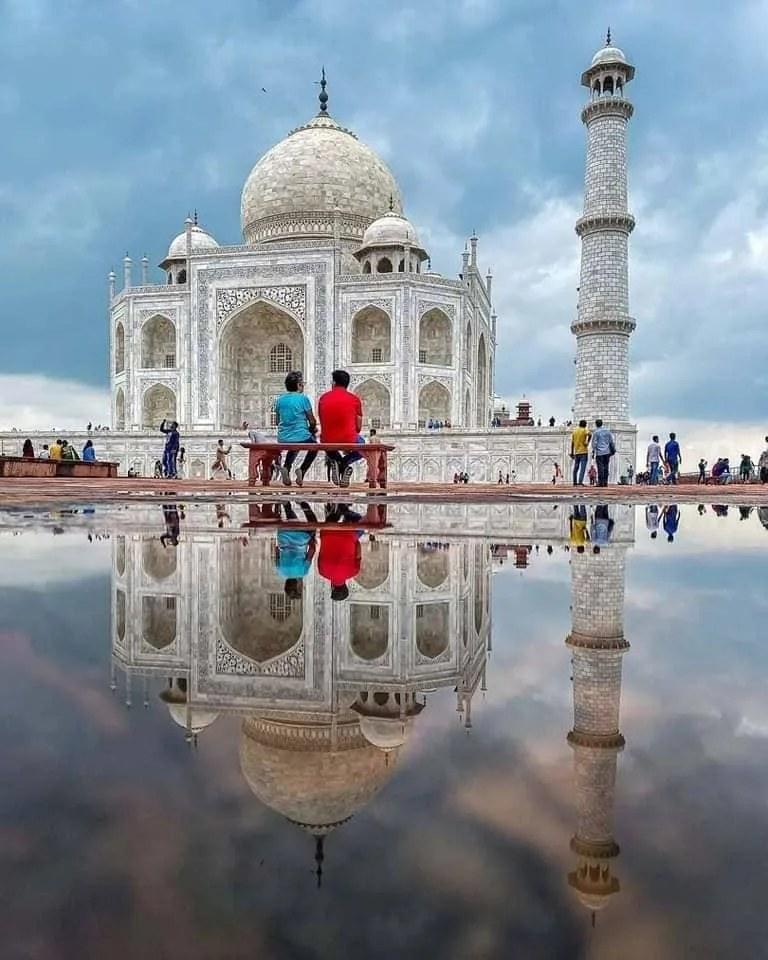
Seven days with a quiet arrival, a full Delhi day, a measured drive to Agra, the Taj Mahal at first light, then Jaipur with one full day to explore.
Related guides
Tell us when you are travelling.
A short message is enough. We will come back with a plan, personally.
Enquire