Dress for the season and for the site. Light, loose cotton in the hot months, layers in winter, and covered shoulders and knees at mosques and temples. Wear comfortable shoes that slip off easily, and carry a scarf, a hat and sun protection whatever the month.
This guide is about what you wear, not what you pack. If you want a full list of items, our packing guide has it. Here we look at how to dress for each season in Delhi, Agra and Jaipur, and how to adjust for each type of site you will walk through.
The two questions are separate. The season decides how warm or light your clothes should be. The site decides how much they should cover. Once you answer both, most choices are easy.
Winter: layers for cold mornings
From roughly December to February, mornings in Delhi, Agra and Jaipur are cold and often foggy, while afternoons can be mild and sunny. Dress in layers you can add or remove: a base layer, a jumper or fleece and a warm jacket for early starts such as a sunrise visit to the Taj Mahal.
Marble and stone floors are cold underfoot, so warm socks matter. A scarf does double duty, warming your neck and covering your shoulders when needed. Indoors, hotels and cars are usually warm, so avoid dressing so heavily that you overheat when you step in. Pack a thin layer even if you are travelling in a mild month, because air conditioning in cars, restaurants and hotels can feel cold after the heat outside.
Evenings cool quickly after sunset, especially in Jaipur on the open terraces of palaces and rooftops. Keep the warm layer in the car rather than leaving it at the hotel.
Summer: light, loose and covered
From about April to June it is very hot, and the sun is fierce in open courtyards. The best clothing is loose, long and light: cotton or linen shirts, long skirts or thin trousers. Covering your arms and legs with breathable fabric is often cooler than bare skin in direct sun.
Add a wide-brimmed hat, sunglasses and sun protection, and carry water. Pale colours reflect heat. Avoid synthetic fabrics that trap sweat, and bring a spare top for the afternoon if you plan a full day. Choose a hat that stays on in a breeze and stays out of the way when you take photographs.
Plan the heavy walking early or late. Our guide to the Golden Triangle in summer explains how we shape the days around the heat.
Monsoon and the shoulder months
From about July to September the monsoon brings humidity and rain, often in short bursts. Choose quick-drying fabrics, a light rain jacket or compact umbrella and shoes with grip. Marble and stone get slippery when wet, so avoid smooth soles. Waterproof shoes are a good idea, and dark colours hide splashes.
Spring and autumn are the easiest months to dress for. Light layers, a thin jumper for evenings and sun protection will carry you through most days. March and October can still be warm, so favour breathable fabrics and keep a layer in the car.
Whatever the month, check the forecast before you fly and again a few days before each city. Weather in Delhi, Agra and Jaipur is broadly similar, but a cold snap or a heat spike can arrive with little warning.
Mosques, temples and other sacred sites
At mosques and temples, cover your shoulders and knees. Loose trousers or a long skirt, and a top with sleeves, work for everyone. Women may be asked to cover their head at some sites, so carry a light scarf. At Jama Masjid in Old Delhi, there may be extra requirements, and the guide will tell you what applies on the day. Some sites also ask visitors to cover their arms, so a light long-sleeved top is a safe choice.
Many sacred places ask you to remove your shoes before entering. Floors can be hot or cold, so carry a clean pair of socks. Shoe storage is usually available at the entrance, and your guide can help you find it.
Rules differ from site to site and change over time, so ask your guide as you arrive. Dress modestly even if you are not sure. It is easier than being turned away at the door.
Forts, palaces and the Taj Mahal
Forts and palaces such as Agra Fort, Amber Fort and the City Palace involve long walks on steps, ramps and uneven stone. Comfortable walking clothes matter more than formal dress. Avoid long dragging hems on stairs and wear something you can move in. A small cross-body bag keeps your hands free for steps and railings, and it is easier to carry than a rucksack in crowded gateways.
The Taj Mahal is not a temple, but covered shoulders and knees are respectful and practical, and you will be photographed in them. Our guide to the Taj Mahal dress code and rules covers what is allowed inside, including bag limits. Wear clothes without many pockets, and carry little.
For a sunrise visit, dress in layers you can remove as the sun rises. The temperature can change by several degrees in the first hour. Take off sunglasses when you enter the Taj Mahal's dim corridors so you can see where you step, and keep a tissue or two for the dust.
Shoes, sun and finishing touches
Shoes are the most important choice. Closed, flat, comfortable shoes with good grip are best for forts and city walking, and sandals that slip on and off are handy for mosques and temples. Break in new shoes before you travel. Blisters on day two are a common problem.
Carry sunglasses, a hat and sun protection all year. The winter sun is milder but still strong at midday. A light scarf or shawl is the most versatile item you can bring: it covers shoulders, shades your head and warms your neck. Choose fabrics you do not mind getting dusty, since the roads and monuments collect fine dust, especially in the dry months.
If you want to talk through your dates and what to expect, send us a message on WhatsApp or through the enquiry form, and we will tell you what the weather is usually like for your plan. Your guide can also tell you what is worn locally, and many visitors enjoy borrowing the style with a light cotton tunic or scarf bought in Jaipur.
People also ask
What should I wear to the Taj Mahal?
Do women need to cover their heads in India?
Are shorts acceptable for sightseeing in India?
What shoes are best for Delhi, Agra and Jaipur?
How should I dress for a winter sunrise at the Taj Mahal?
What colours and fabrics work best in the heat?
Take it privately
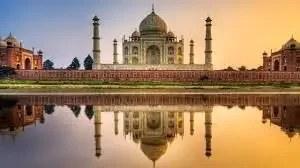
5-Day Private Golden Triangle
Five days that give each city its own space: a Delhi day, a drive to Agra, the Taj Mahal at first light, then Jaipur and the drive back.
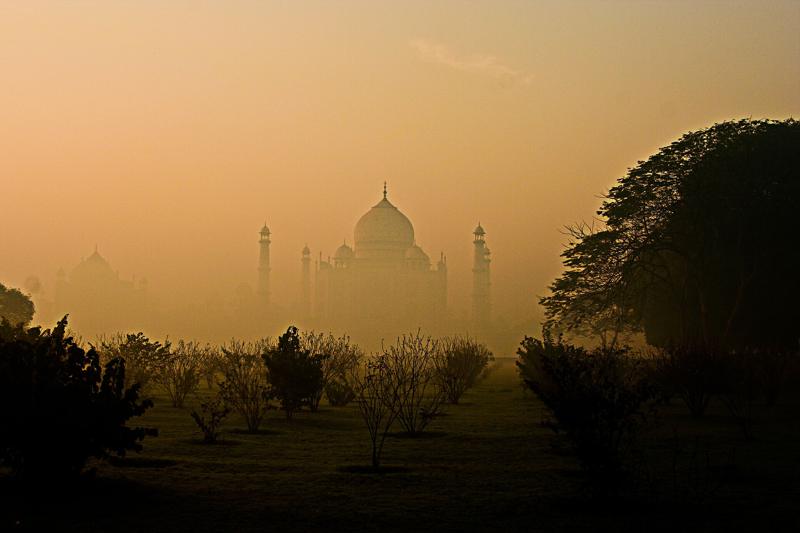
Taj Mahal at sunrise
An early morning at the Taj Mahal for guests already staying in Agra, with a driver at the hotel before first light and a licensed guide at the gate.
Related guides
Tell us when you are travelling.
A short message is enough. We will come back with a plan, personally.
Enquire