Most travellers stay well on the Golden Triangle with simple habits: drink sealed or purified water, eat freshly cooked food, protect yourself from the sun, rest after the flight and pace the days. For vaccinations or any medical question, ask a doctor or travel clinic well before you go.
A Golden Triangle trip is not a hard journey, but it does ask your body to cope with heat or cold, new food, long car rides and early starts. Most problems are small and avoidable. A few habits do most of the work.
This guide covers the everyday precautions we suggest as a family team in Agra. It is general advice, not medical advice. For anything about your own health, a doctor or travel clinic who knows your history is the right person to ask.
Talk to a doctor or travel clinic first
Before you travel, speak to your own doctor or a travel clinic about your trip. Tell them where you are going, when and for how long. They can explain which vaccinations are recommended for your history, what to carry and how to manage any condition you already have. Recommendations change over time and differ from person to person, so we do not list them here.
Do this early. Some preparations need time, and a clinic appointment a few days before departure is rarely enough. Also check what your travel insurance covers, including medical care abroad, and keep the policy number somewhere you can reach it.
If you take regular medication, carry enough for the whole trip plus a few extra days, in original packaging, with a copy of the prescription. Keep it in your hand luggage, not your checked bag.
Water and drinks
Drink sealed bottled water or water you know has been purified, and check that the seal is intact when it is handed to you. Your driver keeps bottled water in the car, and hotels usually provide it in the room. Use the same water to brush your teeth if your stomach is sensitive.
Be careful with ice and with drinks that may have been mixed with tap water. Hot tea and coffee are made with boiled water and are generally a safe choice. Fresh juice is a common worry, so choose places that look busy and clean, or skip it until your stomach has settled in.
Drink more than you think you need, especially in summer. Dehydration brings headaches and tiredness that are easy to mistake for something worse. Carry a small bottle with you in the car and refill it from the larger bottles your driver keeps, so you are never caught thirsty at a monument gate.
Food, and sensible street food
The simplest rule is to eat food that is freshly cooked and served hot, in places with a steady stream of customers. Busy kitchens turn their food over quickly. Be wary of anything that has sat out for a long time, salads washed in unknown water and cut fruit left in the sun.
Give your stomach a gentle start. Spicy, rich food on your first night after a long flight is not the best plan. Begin with milder dishes, then increase as you feel comfortable. Our guide to Indian food for first-timers covers spice levels and how to ask.
Street food is part of the pleasure of Old Delhi, and many people eat it without trouble. If you want to try it, go with your guide, who will steer you to busy stalls, and start with one or two items rather than a full tasting. If you have a sensitive stomach, you can say no. Nobody minds.
Sun, heat and cold
From spring to early autumn the sun is strong and monument visits involve open courtyards with little shade. Wear a hat, sunglasses and sun protection, carry water and plan outdoor sights for early morning or late afternoon where we can. The car is air-conditioned and your driver waits close to each entrance, so you can step out of the heat between stops. Even on cloudy days the sun can burn, so apply protection before you leave the hotel and again after lunch.
Winter has its own problems. Mornings can be cold and foggy, and the temperature drops quickly after sunset. Layers are better than one heavy coat. Our guide to what to pack covers clothing by season.
If you feel dizzy, unusually tired or unwell in the heat, stop, find shade, drink water and tell your guide or driver. We would rather change the plan than have you push on.
Jet lag, rest and pace
Many travellers arrive after an overnight flight and a time difference of several hours. Give yourself a gentle first day. A rest at the hotel and a light afternoon outing is better than a full programme straight from the airport. Daylight and an early night help your body clock settle.
Early starts matter at the Taj Mahal, so protect your sleep. If you can, avoid alcohol the night before a sunrise visit, and keep a snack and water for the morning.
Pace matters too. Long drives, walking on uneven stone and hot afternoons add up. We build rest into the days when we plan, and you can always ask to shorten a stop or add a break. Listen to your body in the first few days, because tiredness is normal and passes.
Pharmacies, doctors and who to call
Pharmacies are common in Delhi, Agra and Jaipur and can help with minor problems such as sore throats, blisters and upset stomachs. Show the pharmacist the name of anything you already take, and do not mix new products with your regular medication without asking a professional. Hotels can usually arrange a doctor if you need one.
If you are unwell, tell your driver or guide early. They can find the nearest pharmacy or clinic and adjust the day. Keep your insurance details on your phone and on paper.
If you have a medical condition, a mobility need or a dietary restriction, tell us when you first write to us on WhatsApp or through the enquiry form. We can plan the pace and the stops around it from the start. We cannot give medical advice, but we can adjust the day around what you tell us.
People also ask
Is it safe to drink the water in India?
Which vaccinations do I need for the Golden Triangle?
Can I eat street food in Delhi?
What if I get an upset stomach on the trip?
How do I handle the heat when sightseeing?
How long does jet lag last, and how do I manage it?
Take it privately
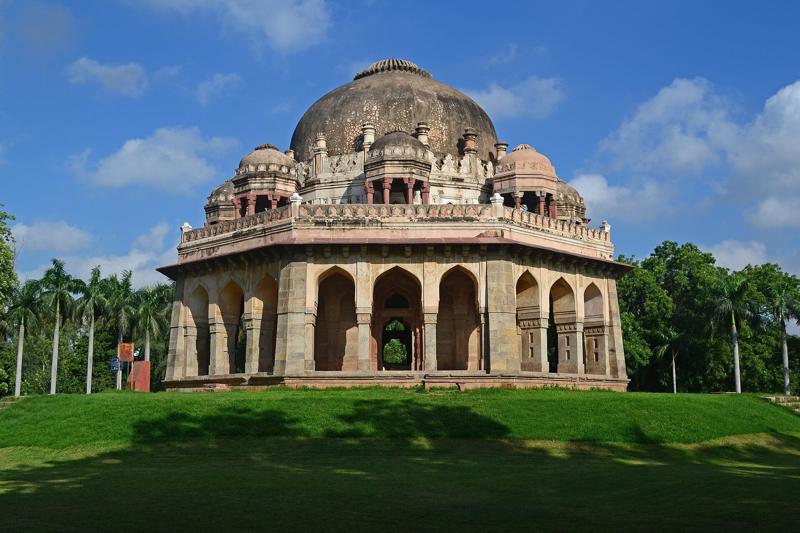
Golden Triangle at a gentle pace
Eight days through Delhi, Agra and Jaipur with a rest day built in, no day asking for more than one main outing, and drives kept to a few hours at a time.
5-Day Private Golden Triangle
Five days that give each city its own space: a Delhi day, a drive to Agra, the Taj Mahal at first light, then Jaipur and the drive back.
Related guides
Tell us when you are travelling.
A short message is enough. We will come back with a plan, personally.
Enquire