The Golden Triangle can work well with children if you slow the pace, keep each day to one or two main sights, and plan rest breaks. Allow five to seven days, travel between October and March, and use a private car so you can stop when the family needs it.
Families do the Golden Triangle all the time, and it can be a rewarding way to show children a very different part of the world. It can also be tiring, because the drives are long and the days are busy. The difference is mostly in how you plan it.
Here is an honest look at what works with children, what to adjust for different ages, and how to avoid the common mistakes.
Is the Golden Triangle good for kids?
For most children aged about six and over, yes. The forts, palaces and bazaars are full of colour and stories, and the Taj Mahal is easy to enjoy without any background. Older children and teenagers often get more from the history and the photography.
For babies and toddlers, the trip is possible but demands more planning. The drives are long, and heat and unfamiliar food can be hard. Many families with very young children keep the route shorter and the hotels simpler.
The key is expecting less per day. A family that sees one thing well each morning and rests in the afternoon tends to enjoy the whole trip.
Think about what your own children enjoy. A child who loves animals, climbing and open spaces will love forts and gardens. A child who tires quickly in crowds will prefer fewer stops and more time at the hotel. Knowing this before you go makes the plan better, so tell us about them when we talk.
How many days and how to pace them
Five days is a minimum for a family. Six or seven is better, with a second night in Agra or Jaipur so that nobody is packing every morning. A shorter loop with long drives each day will test children's patience.
Plan each day around one main sight in the morning and a quieter afternoon. A pool or garden at the hotel is useful, though we cannot promise a facility until it is confirmed for your dates. Keep the first day after arrival light.
A good rhythm for children is an early start while it is cool, a long lunch, a rest or swim at the hotel in the afternoon, and a short outing at the end of the day. This pattern keeps energy up and avoids the heat of midday. It also suits adults, who often find it the most enjoyable way to travel.
If your children are in school, consider the holiday dates, which are also busy travel periods in India. Mention your dates when you contact us and we will explain what to expect.
Managing the long drives
The drives between cities take roughly four to six hours. With a private car, you can stop whenever the children need a break. Pack snacks, water, a charged tablet or books, and a small bag of games. Ask the driver to break the longer legs with a stop such as Fatehpur Sikri, which also gives children room to run.
Seat belts and child seats are worth asking about when we plan, since local practice varies. Tell us the ages of your children so that we can talk about what is possible in the vehicle.
Break the long days into pieces. Leave after breakfast, stop for tea and a stretch around the midpoint, eat lunch at a place your driver trusts, and arrive with time to settle in. Do not schedule a monument after a five-hour drive with small children. Let them play first.
What children tend to enjoy
Many children enjoy the Taj Mahal grounds, the great gateways of Agra Fort and the sheer size of Amber Fort. In Delhi, a rickshaw ride through the lanes of Old Delhi is a favourite for those old enough to cope with the crowds, and Humayun's Tomb is spacious and calm.
In Jaipur, the bazaars, the City Palace and the Jantar Mantar observatory, with its large stone instruments, appeal to curious children. Short, hands-on stops tend to work better than long museum visits.
Some activities can be added if they suit your family, such as a village visit or a cooking session, but we only confirm them once the family team has arranged them. Ask when we plan.
Storytelling helps. Before each visit, tell the children a short version of the story: the emperor who built a tomb for his wife, the fort with a hidden passage, the palace where a maharaja kept his collections. A guide who is good with families will do this naturally, and children often remember the stories long after the details fade.
Food, water and health
Food is usually the easy part. Plain dishes such as rice, dal, bread and mild curries are widely available, and children often love them. Avoid street food on the first days, drink only bottled or filtered water, and carry hand wipes.
Bring any regular medicines, a basic stomach remedy, sunscreen and insect repellent. Check your travel insurance covers children. If a child feels unwell, a private car lets you rest rather than push on.
Heat, crowds and season
October to March is the best season with children. April to June is very hot, and afternoon sightseeing is hard for small ones. In December and January, mornings are cold and foggy, so pack warm layers.
Crowds can be intense at the Taj Mahal, and bags with large items are restricted. Travel light, hold hands at entrances and agree a meeting point in case anyone is separated. The Taj Mahal is closed on Fridays, so plan around it.
Choosing hotels and rooms for a family
Look for rooms that fit the whole family, such as connecting rooms or a larger suite. Five-star hotels often handle this smoothly. Some heritage palaces have family rooms, but older buildings may have stairs and fewer rooms, so we check carefully.
We arrange hotels by category and confirm details with you before anything is booked. Rates are on request, and no payment is taken until your plan is confirmed.
Ask about practical points such as cots, extra beds, a quiet room away from the lift and breakfast times that suit children. Heritage palaces are exciting for children who like exploring courtyards, but check that stairs and open water features are safe for your family. Tell us the ages and we will plan around them.
People also ask
What age is best for the Golden Triangle with children?
Are the long drives hard on kids?
Is it safe to travel with children?
Can we get connecting rooms?
What should we pack for kids?
Do children need tickets for monuments?
Take it privately
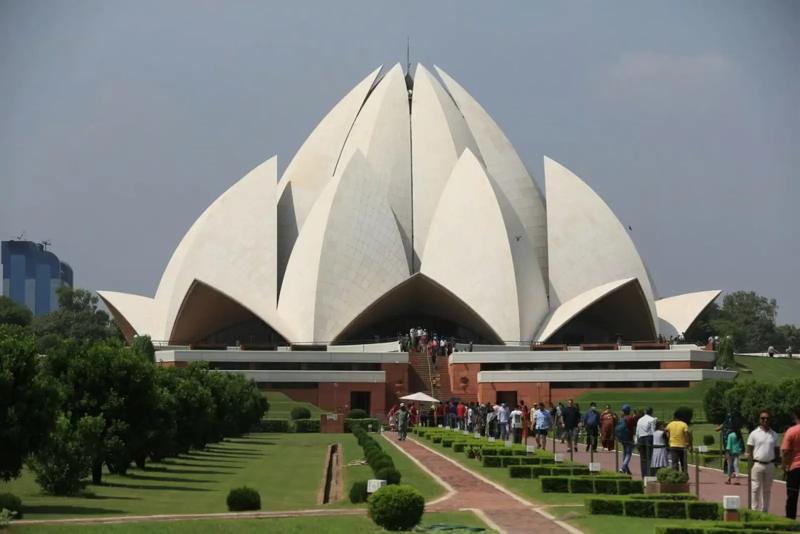
Golden Triangle for families
A seven-day Delhi, Agra and Jaipur journey shaped for parents and children: shorter walking stretches, room for rest, and sights chosen because children tend to enjoy them.
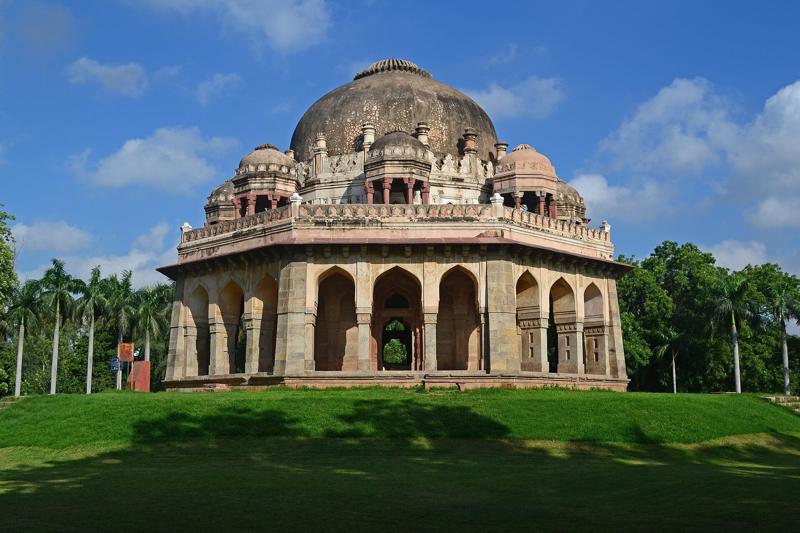
Golden Triangle at a gentle pace
Eight days through Delhi, Agra and Jaipur with a rest day built in, no day asking for more than one main outing, and drives kept to a few hours at a time.
5-Day Private Golden Triangle
Five days that give each city its own space: a Delhi day, a drive to Agra, the Taj Mahal at first light, then Jaipur and the drive back.
Related guides
Tell us when you are travelling.
A short message is enough. We will come back with a plan, personally.
Enquire