The Golden Triangle can work well for older travellers when the trip is paced gently: a longer itinerary, short drives, a private car and a late start on most days. The main things to plan around are the walking and steps at some monuments, the heat from April to June, and morning fog in December and January. Talk openly about your own comfort and stamina when you plan, so each day suits you.
The Golden Triangle, Delhi, Agra and Jaipur, is a popular first trip to India for people of every age, including many who travel in their sixties, seventies and beyond. The sights are famous, the roads between cities are well used, and a private car with a driver removes much of the effort.
That said, it is a trip with real walking, some steps and long days if it is badly paced. This page offers practical, general guidance. It is not medical advice. If you have a health condition or mobility concern, speak with your own doctor before you travel, and tell us what matters to you so we can plan around it.
Is the Golden Triangle suitable for older travellers?
For many older travellers, yes, provided the pace is right. The classic route is a loop of three cities linked by roads, and with a private car you can rest between sights. You are not following a group timetable, which is the biggest advantage for anyone who prefers to move slowly.
What matters is your own energy and comfort, not your age. Some people in their seventies walk comfortably for hours, while others in their fifties prefer short outings. A frank conversation about what a normal day feels like for you at home is the best starting point for a good plan.
It is also worth being honest that India can be tiring in ways that are not about walking: crowds, noise, heat and unfamiliar food. Building rest into the trip is as important as choosing the sights.
Choosing the right length of trip
A short itinerary compresses a lot into little time, and that is where fatigue builds. For older travellers a longer trip is usually kinder, because it allows a lighter day after each busy one. Our guide on how many days to allow for the Golden Triangle goes into this in more detail.
A four or five day plan can work if the days are well spaced, but many people are more comfortable with six or seven, which allows a slower morning, a long lunch or an afternoon at the hotel. If you also want to add another destination later in the trip, it is usually better to add days than to squeeze more into each one.
Consider where you will sleep as well. Fewer hotel changes mean fewer packing mornings, so a plan that stays two nights in each city is easier on the body than one that moves every day.
Think, too, about how you like to travel. Some people enjoy a full day and sleep well; others need a long pause after lunch. Neither is wrong, and a private journey can be shaped around either. Share the little things that make a day easy for you, such as how early you like to rise, whether you prefer to eat lightly at midday and how you feel in crowds.
Walking, steps and monuments: what to expect
Most of the major sights involve walking on uneven stone, sometimes in sunshine. The Taj Mahal is entered through a gate with a walk to the main platform, and shoes are removed or covered near the marble. Agra Fort and Amber Fort in Jaipur involve slopes and stairs, and some areas are not step-free.
The City Palace, Hawa Mahal viewing points, Humayun's Tomb and the lanes of Old Delhi each ask for different amounts of walking. Some places offer alternatives, such as a vehicle ride up toward Amber Fort or a battery-powered shuttle near certain monuments, but availability varies and we cannot promise any specific arrangement for every site.
The honest approach is to tell your guide how far you would like to walk and whether stairs are a concern. A good guide can shorten the route, choose the best seating and time the visit to avoid the busiest hours. If you use a stick or a walker, mention it early so the plan can take it into account.
Ask your planner to describe a typical day in the itinerary hour by hour. Reading it through, you will quickly see whether it feels comfortable or crowded, and it is far easier to change a plan on paper than on the road. If a day looks too full, ask for a sight to be moved or dropped.
Heat, fog and the best months for comfort
The most comfortable months for most travellers are October to March. Days are mild, mornings are cool and the light is good. From April to June the heat in Agra and Jaipur can be intense, and midday sightseeing becomes hard work for anyone.
In December and January, fog can reduce visibility in the early morning, and a sunrise visit to the Taj Mahal may be flatter than you hoped. Mornings can also be cold, so layers matter. A late start with a sunny noon visit is often more pleasant for older travellers than a pre-dawn one.
The monsoon, roughly July to September, brings humidity and sudden rain. It can be a quieter time to travel, but the air feels heavy. Our page on the best time for the Golden Triangle compares the seasons in more detail.
Pacing each day: a gentler rhythm
A comfortable day has one main sight in the morning and perhaps one lighter visit later, with a proper rest in between. Starting after breakfast, not before dawn, protects your sleep and avoids the worst traffic.
Long drives are easier if they are broken. Between Delhi and Agra, and between Agra and Jaipur, a good plan includes comfort stops and a lunch you can enjoy rather than rush. Lunch is also a good moment to sit, rehydrate and let the morning settle.
Leave one afternoon with nothing planned. Many guests find this the part they enjoy most: a quiet hour by the hotel garden or a short stroll to a nearby market. A gentle journey is not a lesser one; it is simply paced for the person travelling.
A few small habits help on the road. Sip water regularly, even if you do not feel thirsty, and keep a hat and sunglasses within reach in the car. Choose a table in the shade at lunch, and do not hesitate to ask the driver to stop if you need a rest. Sitting for a few minutes in a courtyard can be one of the pleasant parts of the day.
Comfort, health and what to bring
Bring comfortable, well-worn walking shoes that are easy to slip on and off, a sun hat, sunglasses and light layers. Carry any prescription medicines in their original packaging, with a little extra in case of delays. A small folding seat cushion or a lightweight stick can make a difference for some travellers, although seating at monuments varies.
Drink bottled water, eat at places your driver or guide recommends, and rest if you feel unwell. Travel insurance that covers medical needs is sensible for any trip, and especially for older travellers. We are not able to give medical advice, and we do not promise that any particular site is accessible for every need, so please ask us what is realistic and check with your doctor about your own situation.
Finally, tell us what you would most like to see. A trip built around three or four things you really care about is better than one that tries to cover everything.
People also ask
Is the Golden Triangle too tiring for older travellers?
How many days should older travellers allow?
Are there a lot of steps at the monuments?
What is the best time of year for older travellers?
Can I take rest breaks during a day of sightseeing?
Do I need to be very fit to enjoy it?
Take it privately
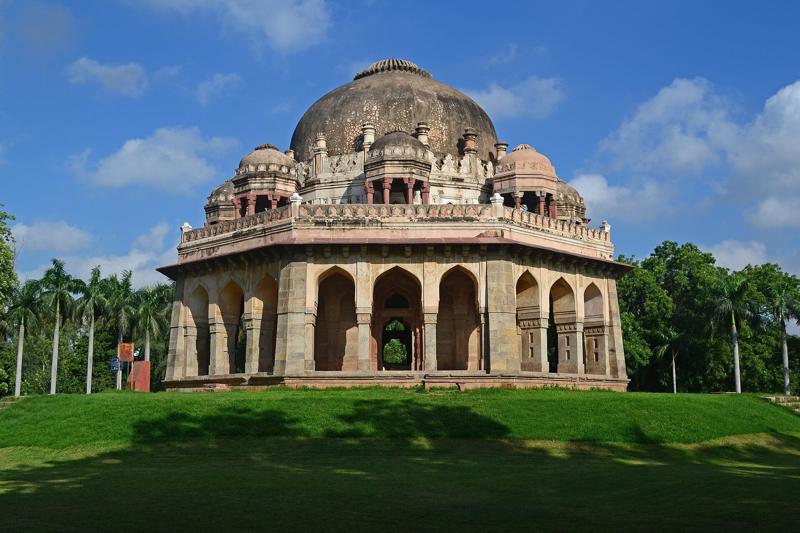
Golden Triangle at a gentle pace
Eight days through Delhi, Agra and Jaipur with a rest day built in, no day asking for more than one main outing, and drives kept to a few hours at a time.
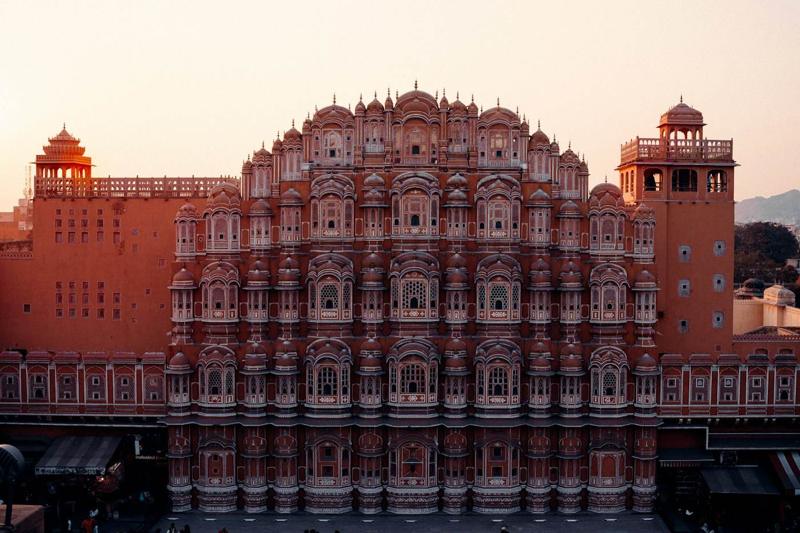
6-Day Private Golden Triangle
Six days that add a full day in Jaipur and a proper evening in Delhi.
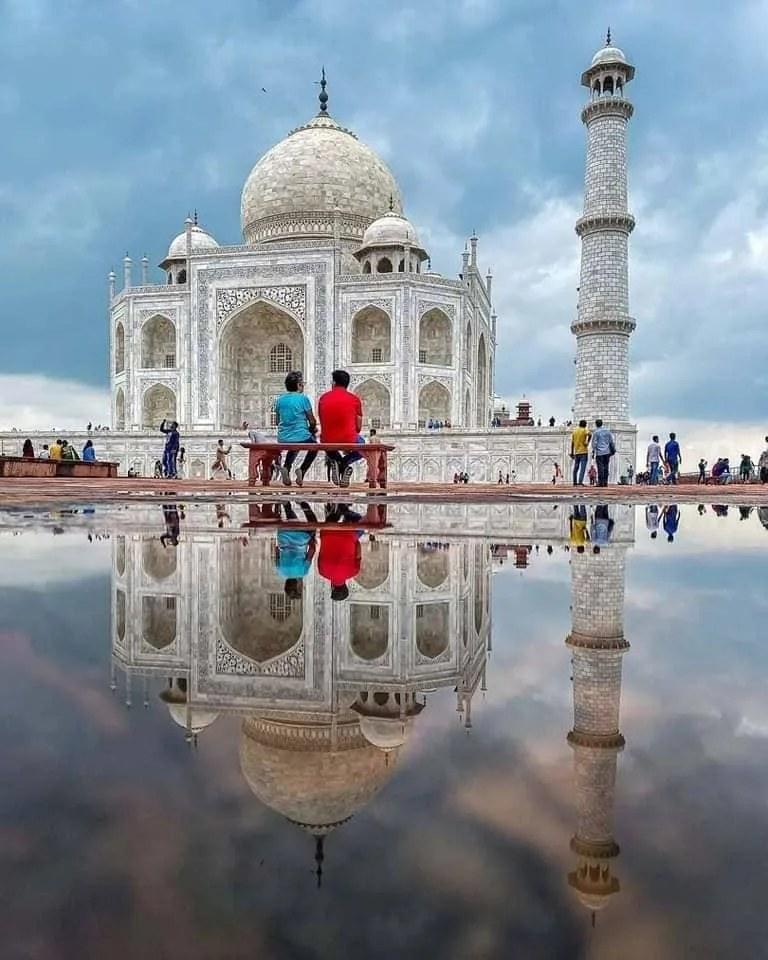
7-Day Private Golden Triangle
Seven days with a quiet arrival, a full Delhi day, a measured drive to Agra, the Taj Mahal at first light, then Jaipur with one full day to explore.
Related guides
- How Many Days Do You Need for the Golden Triangle?→
- Best Time to Do the Golden Triangle, Month by Month→
- Golden Triangle with a Private Driver or a Group Tour?→
- What to Pack for the Golden Triangle: By Season, Temples and Monuments→
- Golden Triangle in December and January: Fog, Cold Mornings and What to Expect→
Tell us when you are travelling.
A short message is enough. We will come back with a plan, personally.
Enquire