Millions of visitors travel the Golden Triangle each year, and a well-planned private trip is a manageable first introduction to India. The usual risks are practical: touts, traffic, heat and stomach upsets. A private car, a licensed guide and sensible habits reduce most of them. Check official travel advice and see a travel clinic before you go.
First-time visitors often ask about safety in a quiet, slightly nervous way. That is a sensible question, and it deserves a plain answer rather than reassurance or alarm.
We are a family team in Agra, and we look after first-time guests every week. This page covers the practical side: what tends to cause trouble, how a private journey helps and what you should ask your own advisers before you travel. It is not medical or legal advice.
What safe means on this route
The Golden Triangle is the most travelled tourist route in India. The cities are used to visitors, the main monuments are managed and the roads between them are busy with traffic of all kinds. For most travellers the trip passes without any serious problem. That ease is why so many first-time visitors begin here rather than somewhere more remote.
The everyday difficulties are of a particular kind. They include persistent touts, overcharging, crowded streets, unfamiliar traffic and tiredness from heat and early starts. These are irritating and occasionally expensive, but they are mostly manageable with a little preparation.
Official government travel advice changes over time and differs by country. Read the current advice from your own government before you book, and check it again before you leave.
Touts, scams and street pressure
Near the big monuments you will meet people offering guidance, rides, souvenirs or photographs. Most are simply trying to earn a living, and a few are pushy. A calm no, said once and repeated, is usually enough.
The most common problems are unlicensed guides who attach themselves to you, drivers who steer you to shops where they earn a commission and inflated quotes for rickshaws. Travelling with your own driver and a licensed guide arranged in advance removes most of these, because you are not negotiating on the pavement.
If something feels wrong, you can say you are with your guide and walk on. Keep valuables out of sight in crowded places, and keep a copy of your passport details separately. We have a longer guide on common tourist scams in Agra and Delhi if you want specifics. Nothing here is a reason to stay at home. It is a reason to prepare, and to travel with people who know the ground.
Traffic and the road
Indian roads are busy and driving can look chaotic to a first-time visitor. The expressway between Delhi and Agra is much calmer than city streets, but you will still see unfamiliar habits such as heavy use of the horn and lane changing.
This is one of the clearest reasons to travel with a professional driver rather than hiring a self-drive car or taking an unknown taxi. A driver who knows the roads, the timing and the local habits handles this for you. Ask your driver to take a break whenever you feel tired, as there is no prize for arriving an hour sooner.
Wear a seat belt in the car, avoid driving at night where you can and keep long drives to daylight. If a driver ever seems tired or unsafe, tell us and we will deal with it.
Health basics in general terms
Stomach upsets are the most common complaint among visitors to India. Travellers usually reduce the risk by being careful with water, eating freshly cooked food at busy places and washing hands often. Heat and dehydration are also real concerns in summer.
Vaccinations, medicines and what to carry vary by person and change over time, so we do not give advice on them. Please visit a travel clinic or your doctor well before you travel, and tell them your route and the season.
Take out travel insurance that covers medical care, and carry any regular medication in its original packaging. Tell us about any health conditions, allergies or mobility needs when you plan, so that we can pace the days and choose meals accordingly. Our team can adjust meals and pace once we know, and we will keep you informed throughout.
How a private car and guide help
A private journey takes most of the daily uncertainty away. Your driver meets you at the airport, drives you between cities and waits for you at each stop. Your licensed guide joins you at each monument, handles entry and explains what you are seeing.
This does not remove all risk, but it removes much of the stress. You are not choosing transport on a strange street, deciding whom to trust or navigating a station alone. You always have someone local with you who knows what is normal and what is not. That steady presence is the main practical benefit of travelling privately for the first time.
We also stay reachable on WhatsApp throughout the trip. If you feel unwell, lose something or simply want to change the day, you can tell us or your driver, and we adjust.
Habits that make the trip easier
Dress modestly, carry a copy of your passport, keep cash and cards in more than one place and use the hotel safe for spare documents. Keep a bottle of water in the car, and rest in the middle of the day when it is hot. Small habits, repeated daily, matter more than any single precaution.
Start gently. A quiet first evening after a long flight helps you adjust. Keep your phone charged, save our WhatsApp number and share your itinerary with someone at home.
If you are worried, tell us what concerns you most when you write. We would rather answer a nervous question honestly than have you guess. You can message us on WhatsApp or through the enquiry form, and we will plan the days around your comfort.
People also ask
Is the Golden Triangle safe for first-time India travellers?
How do I avoid scams and touts in Agra and Delhi?
Is it safe to drive between Delhi, Agra and Jaipur?
What should I do about health before I go?
Is tap water safe to drink in India?
Do first-time travellers need a guide?
Take it privately
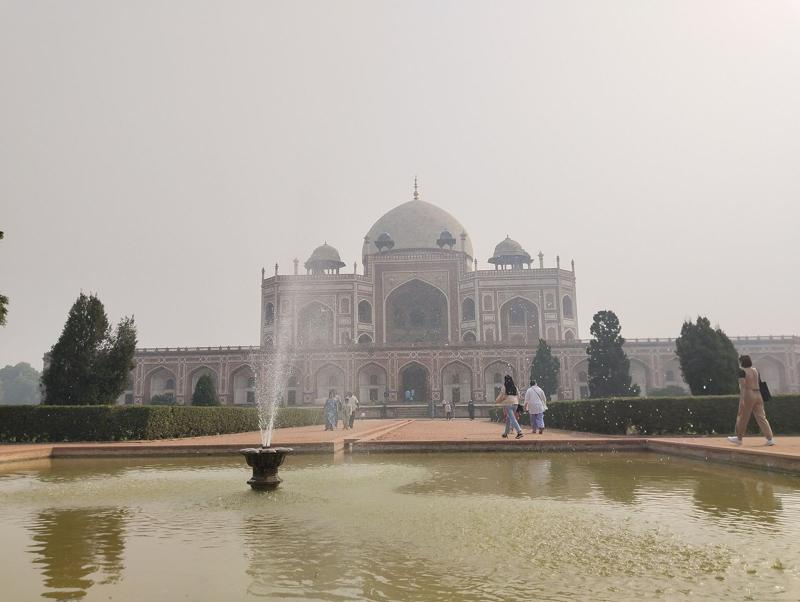
Golden Triangle for first-timers
Five days for people who have never been to India, with the practical side taken care of.
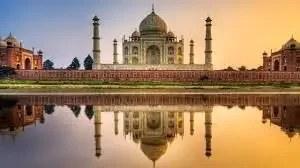
5-Day Private Golden Triangle
Five days that give each city its own space: a Delhi day, a drive to Agra, the Taj Mahal at first light, then Jaipur and the drive back.
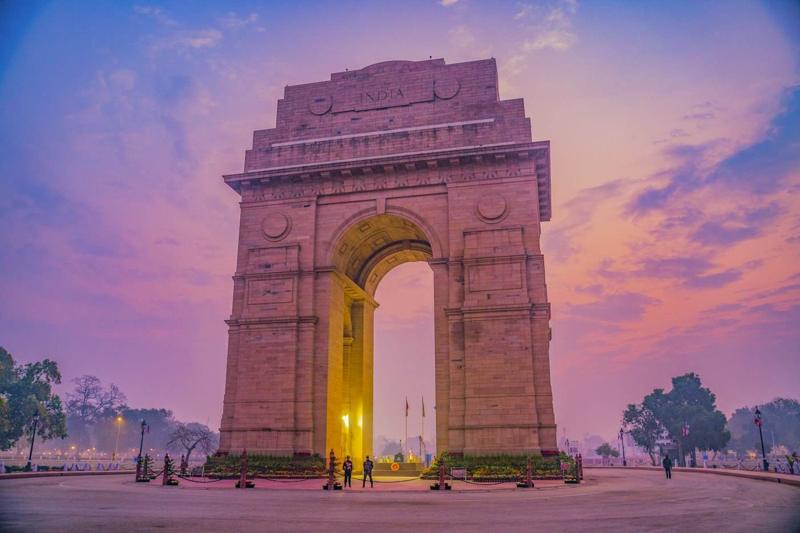
Your own journey
A five-day Golden Triangle through Delhi, Agra and Jaipur, built as a starting point that we adjust around your dates, interests and pace.
Related guides
Tell us when you are travelling.
A short message is enough. We will come back with a plan, personally.
Enquire