Most visitors to Agra and Delhi have a smooth trip, and the common problems are well known and avoidable. The usual ones are unofficial taxi offers at the airport or station, claims that a monument or road is closed, and detours to shops that pay commission. Arranging a pre-booked driver and a licensed guide in advance removes most of these before they start.
Delhi and Agra are busy, crowded and full of friendly people, and also full of people who earn a living from tourists in less friendly ways. It is not a reason to avoid the trip. It is a reason to know what the usual patterns look like so they do not catch you off guard.
This page is a calm, factual guide to the situations travellers most often describe, and how to handle each one. It is not a warning against India. It is the kind of advice a local host would give you over tea before your first day.
Airport and station arrivals in Delhi
The first test often comes within minutes of leaving the arrivals hall. People approach with offers of a taxi, a hotel, or a quicker way into town. Some are genuine drivers, some are agents for unofficial services, and it can be hard to tell the difference when you are tired after a long flight.
The usual advice is to use an official prepaid counter inside the terminal, a reputable ride-hailing app, or a driver who has been arranged in advance and holds a sign with your name. At New Delhi railway station, the same logic applies, and the approach from the station forecourt can be particularly busy.
A common line is that your hotel is closed, full or has moved. Do not take this at face value. Call or message the hotel yourself, or ask your host to confirm. Being met at the airport by a driver who knows your name and your hotel removes the whole situation.
The fake closure story
One of the best-known approaches in Delhi is a friendly person who tells you the monument, market or road you are heading to is closed today, for a holiday, a festival or a repair. They then suggest a different place, often a shop or an agent's office.
Some closures are real. The Taj Mahal is closed on Fridays, and a number of monuments in Delhi have weekly closing days. So the right response is not to assume every claim is false, but to check it yourself from a reliable source, such as the official site, your hotel or your guide, before changing your plans.
If a stranger on the street is the only source of the news, that is a reason to pause, not to follow.
Commission shops and detours
A very common pattern in Agra is the stop at a marble inlay workshop, a carpet showroom or a jewellery shop. Many of these places do sell genuine craftwork, and the inlay tradition in Agra is real and worth seeing. The issue is when the stop is not your choice, when the driver or guide is paid a share of anything you buy, and when you feel pressure to purchase.
Be clear at the start of the day about which stops you want. If you are happy to visit a workshop, go in, enjoy the demonstration, and buy only if you like something. You are always free to say no thank you and leave. If you do buy, shop around first, and be wary of being told that an item is a bargain that will not be offered again.
Gemstones and large-ticket items deserve extra caution. Be wary of any suggestion that you can resell them at home for a profit, and avoid shipping arrangements you cannot verify.
Touts and unofficial guides at monuments
Around the Taj Mahal, Agra Fort and several Delhi monuments, you will meet people who offer to guide you, photograph you or help you skip a queue. Some are licensed, many are not, and the quality varies from excellent to unhelpful.
A licensed guide carries an identity card issued by the authorities, and you can ask to see it. Ticket purchase is done at the official counter or online, and no one outside the gate needs to arrange it for you. Declining politely, with a smile and no extended conversation, is the simplest approach.
Photographers who offer to take your picture at the famous bench may be genuine or may be seeking payment afterwards, so settle the arrangement before the first photograph, or decline.
Taxis, rickshaws and the meter
In Delhi, auto-rickshaws and taxis are legitimate transport, but fares are often negotiated, and a driver who refuses to use the meter or quotes an inflated sum is common. Agree the arrangement before you get in, or use a ride-hailing app that shows the route and fare in advance.
For longer distances, such as Delhi to Agra on the Yamuna Expressway, a pre-arranged car and driver is both simpler and safer than hailing something on the day. You know who is driving, you know the vehicle, and you do not need to negotiate with anyone.
How a licensed guide and a pre-arranged driver change the day
The reason many travellers choose a private arrangement is not luxury, it is peace of mind. A driver waiting at arrivals, a car that stays with you, and a licensed guide at each monument remove the need to decide quickly under pressure. You are not negotiating after a long flight, and no one is steering you toward a shop.
That does not make you immune to everything, and you should still use common sense with your belongings and your money. But it means that when a stranger says the monument is closed, you have a person to ask who actually knows.
If a stop is not on the plan, you can say so to your guide or driver. A good team will respect that. When we plan a journey, we discuss shopping stops openly beforehand, so there are no surprises on the day.
Simple habits that help anywhere
A few habits make most of these situations easy. Keep your plans and your hotel details to yourself when asked by strangers. Pay in small amounts and count your change. Keep valuables out of sight in crowded places, and be careful with phones near open car windows and busy market lanes.
Be wary of anyone who offers to take you somewhere you did not ask to go, including a government tourist office that turns out to be a private agency. Official information centres exist, but a person on the street directing you to one is a reason to check first.
Most importantly, do not feel rushed. The pressure of a quick decision is the common thread in nearly every scam. Take a moment, ask your host or your hotel, and decide in your own time. Most people you meet in Delhi and Agra are helpful, and a calm, polite manner serves you well with all of them.
People also ask
Is it safe to travel in Delhi and Agra as a tourist?
What is the most common scam at Delhi airport?
What should I do if someone says the Taj Mahal is closed?
How do I know if a tour guide in Agra is licensed?
Do I have to go into shops when I travel with a driver?
Is it rude to say no to touts in India?
Take it privately
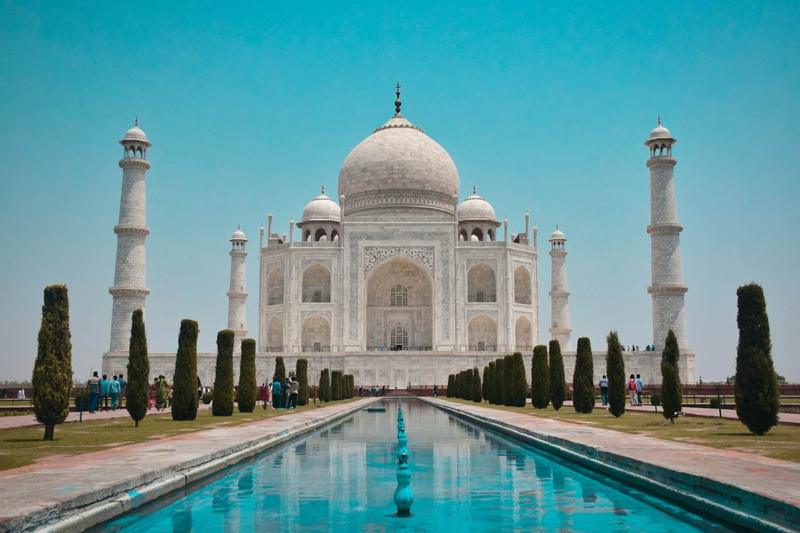
3-Day Private Golden Triangle
Three days that link Delhi, Agra and Jaipur by road with one car, one driver and a licensed guide in each city.
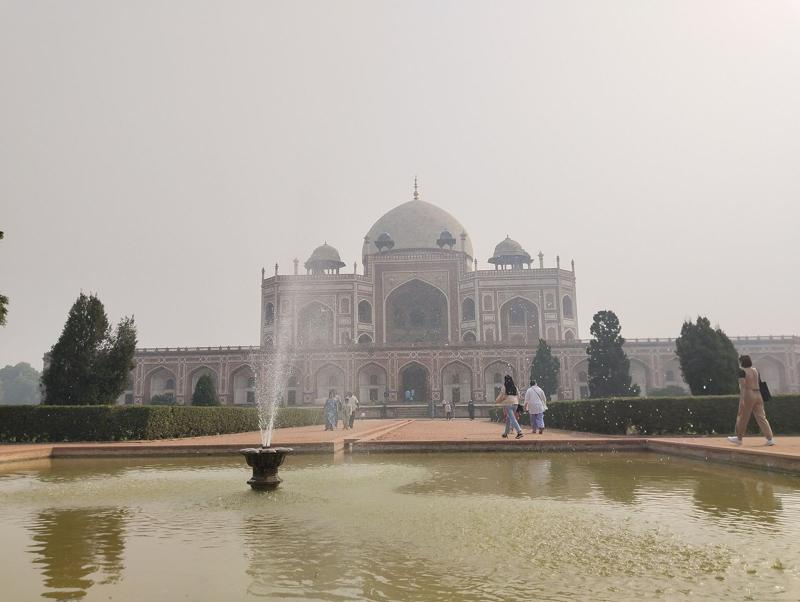
Golden Triangle for first-timers
Five days for people who have never been to India, with the practical side taken care of.
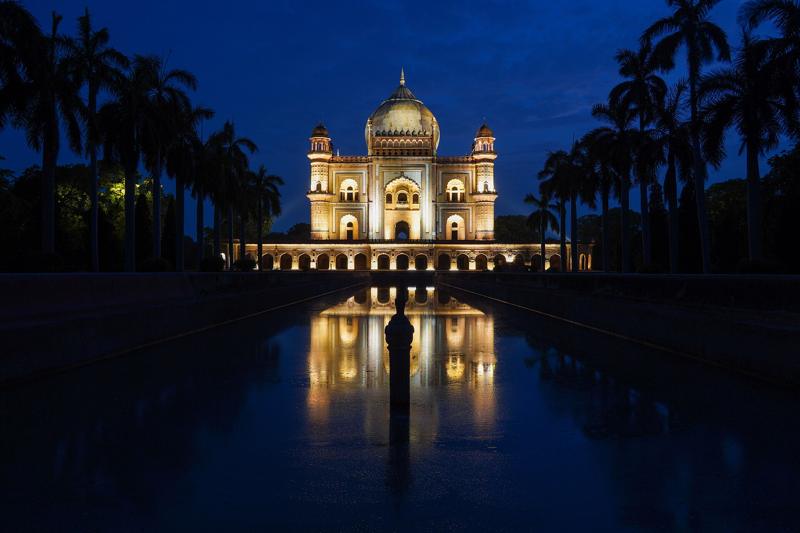
Delhi and Agra in three days
Three days that begin with a full day in Delhi, move to Agra by road, and finish with the Taj Mahal on the morning of the third day before the drive back.
Related guides
Tell us when you are travelling.
A short message is enough. We will come back with a plan, personally.
Enquire