Most visitors use a mix of an international card and a modest amount of local cash. Cards work in hotels and larger restaurants, while cash is useful for small purchases, tips and places that do not take cards. A private tour reduces the amount of money you handle each day.
Money is one of the small worries that can weigh on a first trip to India. The good news is that it is straightforward once you know the pattern: cards for bigger places, a little cash for everything else, and a few habits that save hassle.
We keep this guide general on purpose. Exchange rates, withdrawal limits and bank charges change, and your own bank knows its terms better than we do. What follows is how most of our guests manage money across Delhi, Agra and Jaipur. Read your own bank's travel page before you go, and keep this guide as a general picture of what to expect.
A simple split between card and cash
Think of it in two parts. Your card covers hotels, larger restaurants, established shops and anything you book ahead. Cash covers small purchases, snacks, tips, rickshaw rides and places that prefer cash or have patchy card machines. If you are unsure how much to carry, ask us when we plan and we will tell you what our guests usually find enough for the days you have chosen.
You do not need a great deal of cash at any one time. Withdraw or exchange a modest amount, spend it, and top up when needed. Carrying a large roll of notes is unnecessary and attracts attention you do not want.
Digital payment apps are widely used by people living in India, but they often depend on a local bank account or phone number, so do not plan your trip around them. A card and some cash is the reliable approach for a visitor.
Using your card
Before you leave, tell your bank where you are travelling and for how long, so payments are not blocked as suspicious. Ask about foreign transaction charges and whether your card works on international networks. Carry a second card from a different network or bank in case one is declined. Many banks also let you set a travel notice or freeze the card from an app, which is useful if a card goes missing mid-trip.
When you pay by card, keep it in sight. If a card machine is brought to your table, that is normal. If you are asked to hand your card to someone who walks away with it, politely ask to go with them or pay another way.
If the machine offers to charge you in your home currency or in the local one, check which you are choosing. Your bank will explain which is usually better for you. If you are unsure, ask your guide before you tap.
Cash and ATMs
ATMs are common in Delhi, Agra and Jaipur. Use machines inside bank branches, hotels or well-lit shopping areas rather than ones on a quiet street, and cover the keypad when you enter your PIN. Check your bank's limits and charges before you travel, because they differ and we do not quote them.
Changing money at the airport is convenient for your first day. Away from the airport, official exchange counters and your hotel desk are safer than street offers. Count your notes before leaving the counter and keep any receipt.
Keep some of your cash separate from the rest. A small amount in a pocket for daily use and the remainder in your hotel safe or a hidden pouch means one lost wallet is only a nuisance. A money belt or a zipped inner pocket is more secure than a back pocket, and it is easy to reach discreetly.
Small notes, tips and daily extras
Small denominations are very useful. Tips for hotel staff, porters and drivers, a bottle of water, a snack or a rickshaw ride are all easier with small notes. Ask for small change when you exchange money and when you pay with a large note. Keep them in a separate pocket from your main notes, so you are not opening your wallet in front of a crowd every time you give a tip.
Tipping is appreciated but not a fixed percentage. Our guide to tipping guides and drivers explains the habits and how to decide. We keep it simple and let you tip as you feel the service deserves.
Check that notes are not badly torn or damaged. Shops and drivers can refuse them, and it is awkward to carry notes you cannot spend. Hand them back when you receive change.
How a private tour reduces money handling
On a private journey the car, driver, guide and hotels are arranged in your plan, so you are not negotiating fares or paying a series of small bills along the road. That removes much of the stress, especially on your first days. Your driver waits with the car and your guide helps at each stop. If you want to buy gifts or handicrafts, your guide can tell you which shops take cards and which prefer cash, and can tell you when it is worth stepping away to think.
Entry tickets are the main exception. As our tour pages state, tickets to monuments are arranged for you and paid at the entry rate on the day. Your guide handles the purchase and you pay that amount directly. Flights and train fares are not part of our journeys.
Meals, shopping and tips are your own spending. If you want to keep it light, tell us when we plan and we will pace the days so you need little cash.
Avoiding common money problems
Be wary of anyone who offers a special rate for changing money on the street, or who insists on a different amount than agreed. Agree prices before you start a ride, a photo session or a purchase. Our guide to scams and touts covers what to look for in Agra and Delhi.
Keep copies of your card details and the number to call if a card is lost, in a place other than your wallet. Check your statements after the trip.
If you have questions about how the days and the payments work, send them to us on WhatsApp or through the enquiry form. We will explain each step when we plan your journey. A short chat before you fly saves a lot of guessing once you land.
People also ask
Should I take cash or a card to India?
Are ATMs easy to find in Delhi, Agra and Jaipur?
Do I need small notes in India?
Do I pay for monument entry tickets myself on a private tour?
Is it safe to pay by card in India?
How much should I tip drivers and guides?
Take it privately
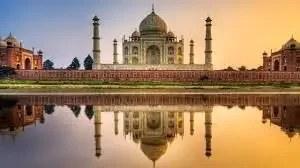
5-Day Private Golden Triangle
Five days that give each city its own space: a Delhi day, a drive to Agra, the Taj Mahal at first light, then Jaipur and the drive back.
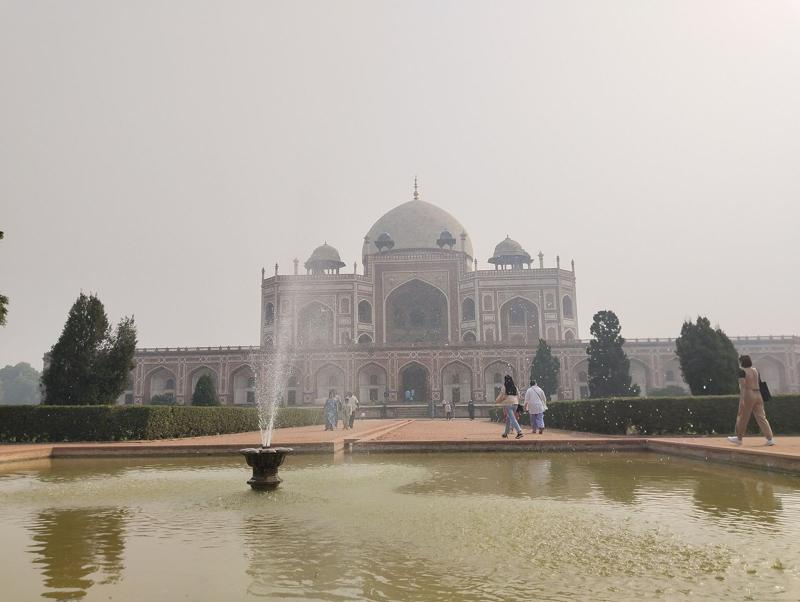
Golden Triangle for first-timers
Five days for people who have never been to India, with the practical side taken care of.
Related guides
Tell us when you are travelling.
A short message is enough. We will come back with a plan, personally.
Enquire