The Taj Mahal is busy on most open days, and the crowds are thickest from mid morning to mid afternoon, at weekends and on Indian holidays. The calmest time is the first hour after the gates open, on a weekday in the cooler months. The monument is closed on Fridays, which pushes more visitors into the other days.
People expect a crowd at the Taj Mahal, and they are right. It is among the most visited monuments in the world, and the approach roads, the ticket areas and the central platform can all feel full. But the crowd is not constant, and a little planning changes the experience a great deal.
We take guests there most weeks of the year. What follows is what we have seen from the gate, not a statistic. It covers the days, hours and seasons that tend to be quieter, and the small choices that make a visit feel unhurried even when the grounds are busy.
Which days are busier
The Taj Mahal is closed on Fridays, so Thursday and Saturday often feel heavier than the rest of the week. Saturdays and Sundays also bring a lot of domestic visitors, and Indian public holidays and school breaks can fill the grounds even on weekdays.
Tuesday to Thursday outside holiday periods usually gives the more comfortable days. We cannot promise this, because crowds depend on events and weather as well as the calendar. It is a tendency, not a rule.
If you can choose your day, avoid the days right after the Friday closure and any national holiday. Our guide to the Friday closure explains how to plan around it. Cross-check any plan against the calendar before you fix your dates, and keep a day in hand if your trip is short.
Which hours are quieter
The first hour after the gates open is the calmest of the day. Most large groups arrive later, after hotel breakfasts and the drive from Delhi, so early arrivals often walk the gardens with only a small number of people around them. The difference between the first and the third hour can be striking, and it is the single most useful choice you can make.
By mid morning the lines at security lengthen and the best photograph spots, such as the central bench and the end of the reflecting pool, fill with people waiting their turn. The middle of the day is the heaviest and also the hottest outside winter.
The last hour before closing is another reasonable window. The crowd thins as groups leave, the light is soft, and the grounds feel more relaxed, although you have less time to linger.
Which seasons are quieter
October to March is the main visiting season, so it brings the most travellers. The weather is pleasant and the monument is at its most crowded, especially around late December and the new year, when families and groups travel.
April to September is much hotter, and many foreign visitors stay away. The grounds can be noticeably calmer, but the heat is a trade-off, and an early start becomes close to essential. The monsoon months add rain and humidity but also fewer people.
There is no perfect month. The shoulder weeks at the start and end of the cool season, when the heat has not yet built and the holiday rush has passed, often give the best balance. If you are flexible, look at your dates for a week with no festivals, and tell us what you know of your own holidays.
Entry timing and how the gates work
Several entrances serve the monument, and queues for each can differ from one morning to the next. Tickets, security checks and the walk to the gate all take time, so arriving before opening matters more than arriving after. It is worth knowing which gate suits your hotel, since the walk from the car can differ by several minutes.
Carrying only a small bag helps, because bag checks are slower for larger items. Having tickets sorted before you reach the line saves further minutes. Our page on how tickets work describes the general process without quoting figures.
Ticket details and entry arrangements change over time, so check the official source close to your date. When we plan a journey, we handle the tickets and pick the gate that is working best on the day.
Where the crowd gathers inside the grounds
Even on a busy morning, the crowd is not spread evenly. It collects at the places everyone wants a photograph: the central bench, the head of the reflecting pool and the steps up to the platform. Move a short way aside and the pressure drops quickly.
The edges of the gardens are usually calmer than the central axis. Walking the side paths, sitting under a tree for a few minutes and looking back at the building from an angle rather than straight on often gives a more peaceful view than waiting your turn at the centre. You also avoid the stress of arranging a ride home through a crowd at closing time, when many people leave at once.
The platform itself is one of the busiest areas, especially near the entrance to the main chamber. Time spent there goes better if you visit the outer edges first and the doorway later, when the first surge has passed. Your guide can read the flow and choose the moment.
How a guide and a private car help
A guide cannot remove the crowd, and we would not promise that. What a guide can do is choose where to stand, when to go to the platform and which side to explore first, so that you are often moving against the flow rather than with it. Neither of these is dramatic, but together they make the grounds feel like a place to walk in rather than a queue to endure.
A private car and driver remove the other half of the problem. You do not wait for a group coach, you leave the hotel at the right hour and you can stay longer when the grounds are calm and leave sooner when they are not.
Plan around the Taj rather than fitting it in. If you want help choosing the day and the hour, message us on WhatsApp or send the enquiry form with your dates and we will suggest a sensible plan.
People also ask
Is the Taj Mahal always crowded?
What is the best time of day to avoid crowds at the Taj Mahal?
Which day of the week is least crowded at the Taj Mahal?
Is the Taj Mahal crowded in winter?
Is the Taj Mahal open on Fridays?
Does a guide help you avoid the crowds at the Taj Mahal?
Take it privately
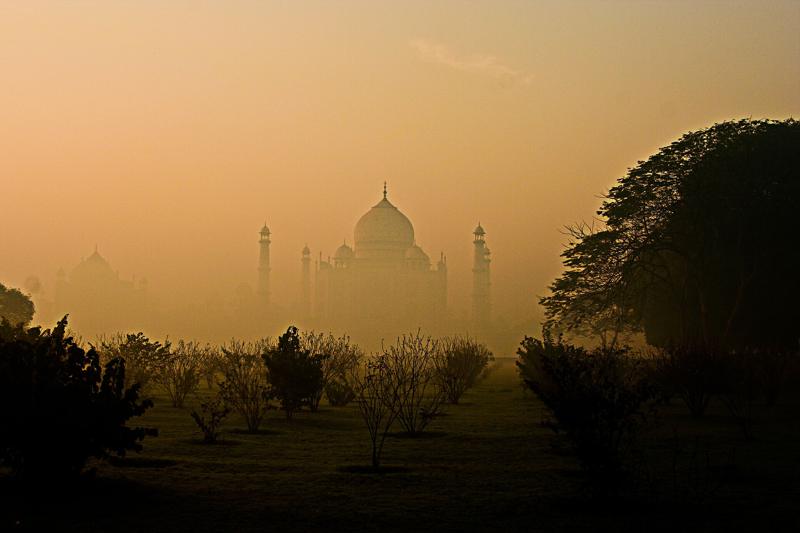
Taj Mahal at sunrise
An early morning at the Taj Mahal for guests already staying in Agra, with a driver at the hotel before first light and a licensed guide at the gate.
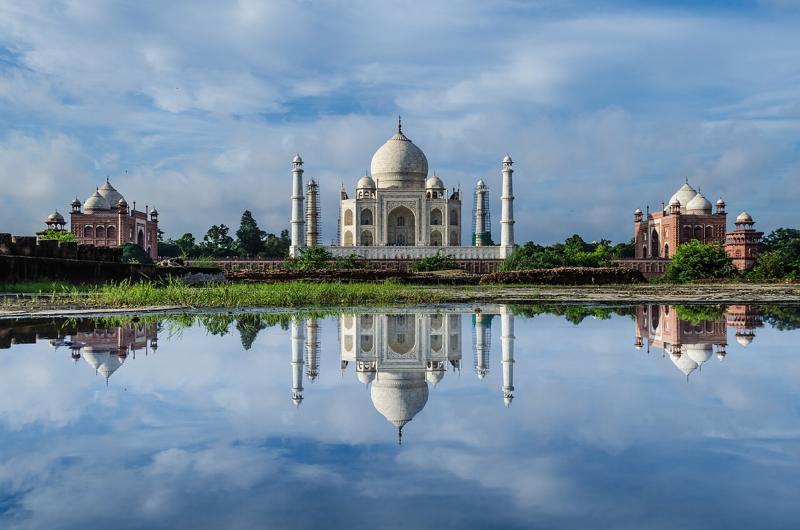
Taj Mahal overnight from Delhi
A two-day journey that stays one night in Agra, so you see the Taj Mahal at sunrise rather than in the middle of a long day.
Agra in two days
Two days and two nights in Agra, with the Taj Mahal at sunrise on the second morning.
Related guides
Tell us when you are travelling.
A short message is enough. We will come back with a plan, personally.
Enquire