Yes, visitors can normally walk into the central chamber of the main mausoleum, where the cenotaphs of Mumtaz Mahal and Shah Jahan stand behind a marble screen. It is a small, dim room and the line moves slowly, so most people spend only a few minutes inside. Access rules can change, so check the official source before you go.
Many first-time visitors assume the Taj Mahal is a building to look at from outside, like a great sculpture. It is in fact a tomb you can enter, and the interior is a quiet, cool contrast to the white glare of the gardens.
We are asked what the chamber is like, whether it is worth the queue and what to expect. The answer is honest rather than dramatic. The inside is small and restrained, and its value lies in the craft and the calm, not in size or spectacle. Here is what we tell guests before they go in.
Getting in to the main chamber
The ticket for the monument normally includes access to the main mausoleum, which sits on a raised marble platform. You climb steps at the side, leave your shoes at the edge or wear the cloth covers provided, and join the line to the entrance. Visitors queue in single file for most of the way, and staff keep the line moving.
The door is the same size on busy days as on quiet ones, so the queue can be slow, and the passage inside is narrow. People are asked to keep moving, which means you cannot stand and study the room for long.
Opening arrangements for the interior can change, and some areas have been closed from time to time. Check the official source for the current situation and ask your guide at the gate.
What you see inside
At the centre of the octagonal chamber is a pair of cenotaphs, the carved marble tombs that mark where Mumtaz Mahal and Shah Jahan lie. They stand inside a finely pierced marble screen, and the stone is inlaid with flowers in coloured semi-precious stones.
The light comes mostly through the screens that surround the room, and it is soft and indirect. The ceiling rises into a dome that is high above you, and the room feels hushed even when many visitors are inside.
The cenotaphs are the visible monuments. The actual graves are in a lower level beneath them and that level is not open to ordinary visitors. The scale of the cenotaphs is modest, and they are meant to be seen quietly rather than studied for long.
What is on the platform and outside
Most of the beauty of a visit is outside the chamber. On the platform you can walk around the building, look closely at the marble inlay on the arches, read the Quranic calligraphy on the great entrance arches and stand at the corners to see the four minarets. The inlay on the arches, with flowers and vines cut into the white marble, rewards a slow look from close range.
Two red sandstone buildings flank the tomb, a mosque on one side and a matching structure on the other. From the platform you look across the Yamuna and back down the long gardens to the great gate.
Many guests tell us they find the platform walk more memorable than the chamber, and we would not want you to rush it because of the queue inside.
The honest limits of the visit
The room is dark and crowded at busy times, and photography inside is not permitted, so you will leave with a memory rather than a picture. If you expect a grand hall, you may feel the interior is smaller than the exterior suggests. It is not meant to impress through scale.
Time is the other limit. Because the line moves steadily, a visit to the chamber usually takes a few minutes once you reach the door, though waiting to get there can be longer on a busy day. If the line is long, it is reasonable to choose the platform and skip the doorway, and nobody will think less of you.
None of this makes it a poor visit. It simply means expectations help. Go in for the craft, the quiet and the sense of place, and treat the outside as the main event.
Who finds the chamber harder
The steps up to the platform, the narrow passage and the slow queue can be difficult for some visitors. Anyone with mobility concerns, young children who tire quickly or a dislike of crowded, dim rooms may prefer to spend more time outside and less in the line. The marble can be hot underfoot in summer, so shoes off is easier in the early morning.
If someone in your group would rather not go in, the rest of the visit does not suffer. The gardens, the platform and the views along the river are all outside, and they are the part of the Taj that most people photograph and remember. Nobody misses the essence of the place by staying out.
Accessibility arrangements at the monument can change, and we do not want to promise anything that is not confirmed. If you have particular needs, tell us when we plan and we will talk through what is realistic and what the official source says at the time.
How to make the visit easier
Going early helps, because the lines are shorter in the first hour after opening. Wearing shoes that slip off easily saves time at the platform edge, and carrying only a small bag speeds the security check. Speak to your guide about what you most want to see, and they will pace the visit around it.
Our guides explain the chamber and the history before you queue, so that you know what you are looking at once inside. That context turns a few minutes into a more meaningful pause. Our history guide for visitors is a good companion.
If you would like to plan a morning that gives you unhurried time on the platform as well as the chamber, message us on WhatsApp or send the enquiry form and we will arrange it around your dates.
People also ask
Can tourists enter the main building of the Taj Mahal?
What is inside the Taj Mahal?
Can you take photos inside the Taj Mahal tomb?
Is it worth going inside the Taj Mahal?
How long does it take to go inside the Taj Mahal tomb?
Do you have to remove shoes to enter the Taj Mahal tomb?
Take it privately
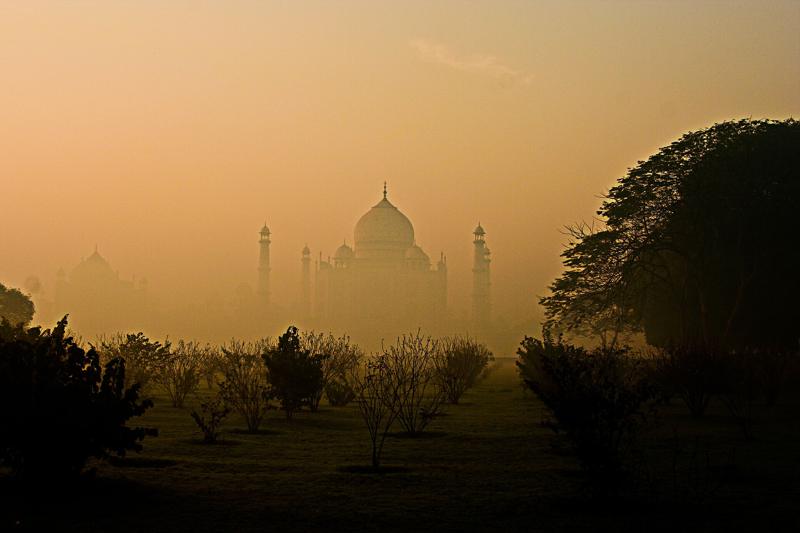
Taj Mahal at sunrise
An early morning at the Taj Mahal for guests already staying in Agra, with a driver at the hotel before first light and a licensed guide at the gate.

Taj Mahal day trip from Delhi
A single long day that takes you from Delhi to Agra and back by private car, with a licensed guide at the Taj Mahal and Agra Fort.
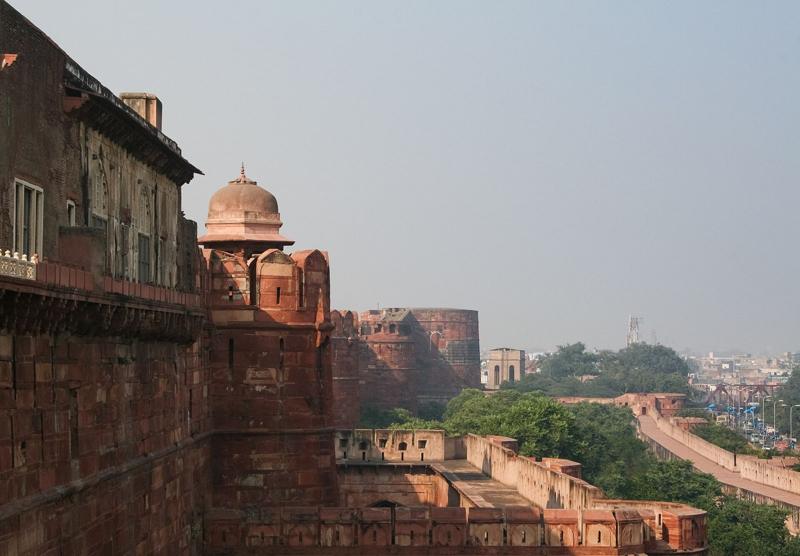
Agra in one day
A full day in Agra for guests who are staying in the city or arriving early, covering the Taj Mahal, Agra Fort and the riverside tomb of Itimad-ud-Daulah by private car with a licensed guide.
Related guides
Tell us when you are travelling.
A short message is enough. We will come back with a plan, personally.
Enquire