Most visitors spend about two to three hours inside the Taj Mahal complex in Agra, which is enough to walk the gardens, see the mausoleum, and take photographs without rushing. A fast visit can be done in about ninety minutes, while photographers and slow walkers often stay closer to four hours. The honest caveat is that queues, security checks and the walk from the gate add time before and after.
The Taj Mahal is a single monument, but the visit is bigger than the building. You pass through security, walk through a great gateway, cross a long garden, queue to enter the mausoleum, and then explore the mosque, the guest house and the riverside terrace. Each of those steps takes longer than people expect on a first visit.
This page answers the question the way a local host would: how long you really need, what makes the visit shorter or longer, and how to fit the Taj Mahal into a day in Agra without feeling rushed or running out of energy.
The short answer: two to three hours for most people
For a first visit with a guide, two to three hours inside the complex is a comfortable plan. That covers the approach through the main gateway, the first view down the garden, a slow walk along the water channels, the climb to the marble platform, time inside the mausoleum, and a stroll to the mosque and the riverside edge.
If you are short of time, about ninety minutes is workable. You will see the main elements, take your photographs and leave, but you will be moving at a steady pace and will not sit anywhere. Most people who try this say afterwards that they wanted longer.
If you enjoy photography, architecture or history, plan on three to four hours. The light changes the colour of the marble through the day, and many visitors want a second look from a different spot once the first excitement has settled.
Where the time actually goes
The first block of time is outside the monument. Security checks at the gate are thorough, bags are screened, and there are separate lines for different visitor types. Even on a quiet morning, allow a margin for this part. It is rarely a long delay, but it is not something to leave to the last minute.
The second block is the walk. From the main gateway to the marble platform is a long, open garden path, and people stop constantly to look and photograph. The classic reflecting-pool view is the busiest spot in the complex, and patience there is part of the visit.
The third block is the platform and the interior. Shoe covers are used on the marble, and the entrance to the main chamber can have a short queue. Inside, photography is not allowed, and the chamber is small, so the visit there is brief. The remaining time goes to the side buildings, the river view behind the mausoleum, and simply sitting in the garden.
What makes the visit shorter or longer
Season and weather matter. In the cooler months the garden is pleasant for long stretches. In the hot months of April to June, most people want to be done within two hours, and early morning is far kinder than midday. In the monsoon, rain can interrupt a visit, though it also means fewer people.
Crowds matter too. Weekends, public holidays and the main winter season bring larger numbers. The first hour after opening is usually the quietest, and a late afternoon visit is the other calmer window. The monument is closed on Fridays, so a plan that assumes you can drop in on any day of the week needs adjusting.
Your companions matter. Families with young children, older travellers, and anyone with a mobility concern may prefer shorter periods with breaks. A private driver waiting outside means you can leave when you wish, rather than following a group clock.
How long for sunrise versus later in the day
A sunrise visit is usually the most efficient. The complex opens around first light, the crowds are thinner, and the temperature is comfortable. Many guests are inside by dawn and out by mid-morning, ready for breakfast and the rest of the day.
Later visits are not worse, only different. The marble looks whiter in strong light and warmer toward the end of the day. If you arrive at midday you may find the platform hot underfoot and the garden less pleasant, so plan breaks in the shade. Opening and closing times can change, so it is sensible to confirm them for your date when planning.
Add-ons that extend the Taj day
The Taj Mahal is only one of several Mughal sites in Agra. The riverside garden of Mehtab Bagh, directly opposite across the Yamuna, gives a distant view and adds about an hour. Agra Fort needs two hours if you want to do it properly, and the tomb of Itimad-ud-Daulah, sometimes called the Baby Taj, adds roughly forty-five minutes.
A full day that covers the Taj Mahal, Agra Fort and the Baby Taj, with a relaxed lunch, usually runs seven to nine hours including driving. Our Agra in one day journey is built around that pace. If you want the Taj at sunrise and a lighter afternoon, a half day followed by rest works well.
A sensible plan if you only have one day
If you are arriving in Agra from Delhi for a single day, start early with the Taj Mahal and give it the first three hours. Then move to Agra Fort and a late lunch, with a final stop at the Baby Taj or a sunset viewpoint if energy allows.
If you can stay overnight, the visit becomes calmer. You can see the Taj Mahal at the quietest hour, return to the hotel for breakfast, and spend the afternoon on other sites. In our experience the overnight stay is the single change that most improves the pace, and it is easy to arrange when we plan the journey.
Practical tips to use your hours well
Carry only what you need. Large bags, tripods, food and many other items are not allowed through security, and a small bag of essentials makes the entry smooth. Water and a hat are sensible in warm months, and comfortable shoes matter because the paths are long and the marble can be slippery or hot.
Think about where you want to spend your time. Many visitors use half of their hours in the first view and the platform, then wish they had more for the mosque, the riverside terrace and the quiet corners of the garden. A guide can tell you which spots reward a pause and which are simply crowded.
Finally, allow some slack on either side. A relaxed plan that gives you three hours inside and an easy hour before and after is far better than one that counts every minute. The Taj Mahal rewards a visit that is not rushed.
People also ask
Is one hour enough for the Taj Mahal?
How long does it take to walk around the Taj Mahal complex?
How long should I spend at the Taj Mahal if I am a photographer?
Can I see the Taj Mahal and Agra Fort in the same morning?
How long does it take to get into the Taj Mahal?
How much time should I plan for the Taj Mahal on a day trip from Delhi?
Take it privately
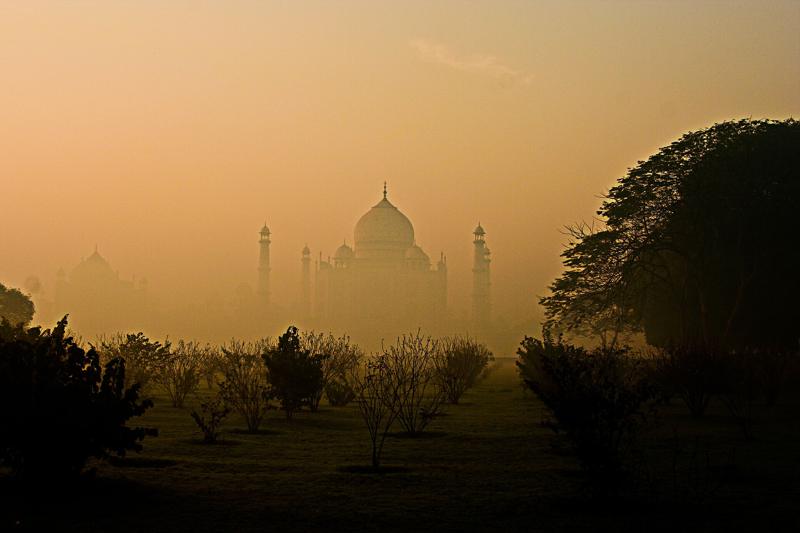
Taj Mahal at sunrise
An early morning at the Taj Mahal for guests already staying in Agra, with a driver at the hotel before first light and a licensed guide at the gate.
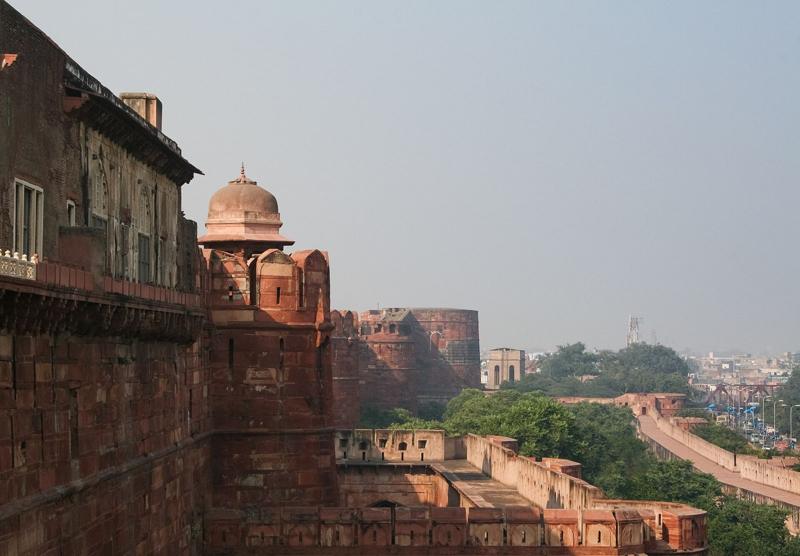
Agra in one day
A full day in Agra for guests who are staying in the city or arriving early, covering the Taj Mahal, Agra Fort and the riverside tomb of Itimad-ud-Daulah by private car with a licensed guide.

Taj Mahal day trip from Delhi
A single long day that takes you from Delhi to Agra and back by private car, with a licensed guide at the Taj Mahal and Agra Fort.
Related guides
Tell us when you are travelling.
A short message is enough. We will come back with a plan, personally.
Enquire