Yes, but only on a few nights each month. The Taj Mahal in Agra normally closes at sunset, and night viewing has traditionally been offered only around the full moon, in short timed sessions for small groups. It is not available every night, access to the marble platform is not given, and cloud, haze or monsoon weather can hide the monument entirely.
Many travellers ask whether they can see the Taj Mahal under the moon, because the idea is hard to resist. The answer is a qualified yes. A night viewing scheme has existed for years, but it is narrow in scope and depends on the lunar calendar and on rules set by the authorities that manage the monument.
This page explains how the arrangement generally works, what you can and cannot expect, and what to do if your dates do not match a full moon. Details can change, so treat this as a guide to planning, and confirm current rules before you build a trip around it.
Is the Taj Mahal open at night?
On an ordinary day, the Taj Mahal complex opens around sunrise and closes around sunset. It is not open for general evening visits, and it is not lit up at night for the public in the way some monuments are. This surprises many first-time visitors who assume the monument glows after dark.
The exception is the night viewing scheme, which runs on the full moon night and, as commonly described, on a couple of nights either side. These sessions are separate from daytime entry and use a different booking process.
How full moon viewing generally works
The scheme is managed by the Archaeological Survey of India, the body that looks after the monument. As commonly described, there are a small number of short sessions each night, with groups kept small. Tickets are usually requested in advance through the official channel, and the exact timing, group size and process can change.
Because of the way it is run, the experience is brief and structured. You are generally escorted in a group, given a fixed time slot, and asked to follow the instructions on the day. Identification is typically required, and you should expect security checks similar to a daytime visit.
Night sessions are not usually offered on Fridays, when the monument is closed, and have also been paused at certain times of the year, such as during the holy month of Ramadan. If your dates are close to a full moon, check the schedule for that specific month rather than relying on a general rule.
Because the lunar calendar shifts every year, the dates move too. A full moon in one month may fall on a Friday or outside your stay, and the next one is a month away. For that reason it is best to look at the moon dates before you book flights and hotels, not after.
What you actually see, and what you do not
The honest picture is that night viewing is a distant view. In the commonly described arrangement, visitors do not walk up to the marble platform or enter the main chamber. You see the Taj Mahal from a set viewing area in the grounds, under moonlight, and the experience lasts a short time.
On a clear full moon night, the white marble takes on a soft, pale glow, and many people find that quiet, cool view memorable. On a hazy or cloudy night, the monument can be a dim shape, and in the monsoon months clouds often hide the moon altogether. Winter fog can do the same.
Photography is subject to the rules of the day, and low light makes handheld pictures difficult. A steady surface and a quiet mind will serve you better than expectations of a postcard image.
When a full moon visit makes sense
The scheme suits travellers who already have Agra in their plan and whose dates fall close to a full moon. It is a pleasant addition for photographers who want something different, couples who enjoy a quiet evening, and repeat visitors who have seen the Taj by day.
It is a poor reason to change a whole itinerary. If the weather turns, you may see little, and the sessions are short. A good daytime visit, preferably at sunrise, is the core of any Taj Mahal experience, and the night view is an extra.
Think of it as a quiet, short experience rather than a full visit. Most guests who enjoy it do so because they come with modest expectations: a cool evening, a pale shape under the moon, and a few minutes to take it in. If you want to walk up to the marble, study the inlay and see the interior, that remains a daytime activity.
Alternatives if you cannot see it at night
If your dates do not fall near a full moon, there are good ways to see the Taj in soft light. A visit at sunrise gives gentle colour and fewer people. A late afternoon or sunset view from the monument or from the riverside garden at Mehtab Bagh, across the Yamuna, shows the marble changing tone as the sun drops.
Mehtab Bagh is the usual choice for an evening view. It faces the Taj from the far bank of the river and is open for sunset, and you can watch the light fade without the crowds of the main complex. Our guide to Mehtab Bagh explains what to expect there.
How we would plan it
When we plan a journey around a full moon, we start with the calendar. We check whether the night viewing is running for that month, build in a rest in the afternoon, and keep the next morning light so that a late night does not spoil the day. Your driver and guide manage the logistics of arrival and return.
If the arrangement is not running, or the weather looks poor, we shift to a sunset at Mehtab Bagh or a sunrise visit instead, so the trip does not depend on a single evening.
Questions to settle before you plan around it
Before you fix your dates, ask three things. First, does a full moon night fall within your stay in Agra, and is it not a Friday? Second, is the viewing scheme running for that month, and how are tickets requested? Third, what is your fallback if the sky is cloudy?
Sessions can be rescheduled or paused for reasons outside anyone's control, including security, maintenance and religious observances. It is wise to treat the booking as something to confirm close to the date, and to avoid paying for anything non-refundable that depends on it.
If the answers are favourable, a night viewing can be a quiet and pleasing end to a day in Agra. If they are not, you have lost nothing, and the daytime Taj Mahal remains the main event.
People also ask
Is the Taj Mahal open every night?
Can you go inside the Taj Mahal at night?
Is the Taj Mahal lit up at night?
How do I book full moon night viewing at the Taj Mahal?
What if it is cloudy on the full moon night?
Where can I see the Taj Mahal in the evening without a night ticket?
Take it privately

Taj Mahal overnight from Delhi
A two-day journey that stays one night in Agra, so you see the Taj Mahal at sunrise rather than in the middle of a long day.
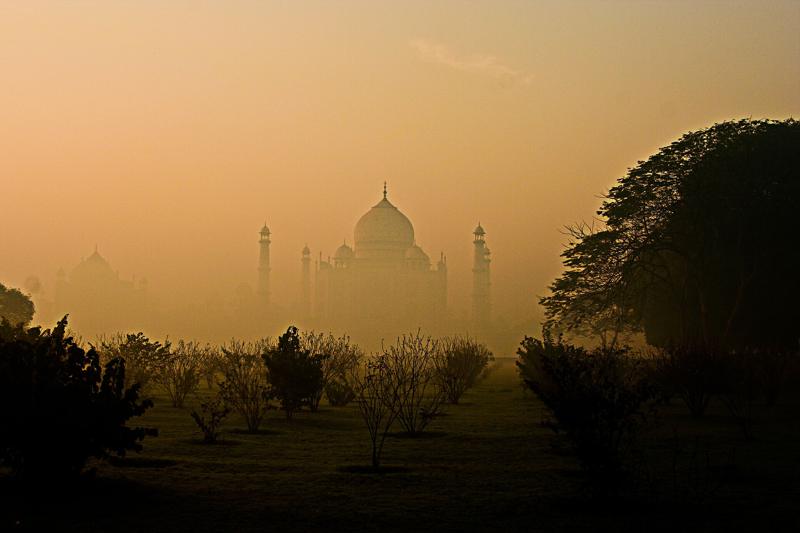
Taj Mahal at sunrise
An early morning at the Taj Mahal for guests already staying in Agra, with a driver at the hotel before first light and a licensed guide at the gate.
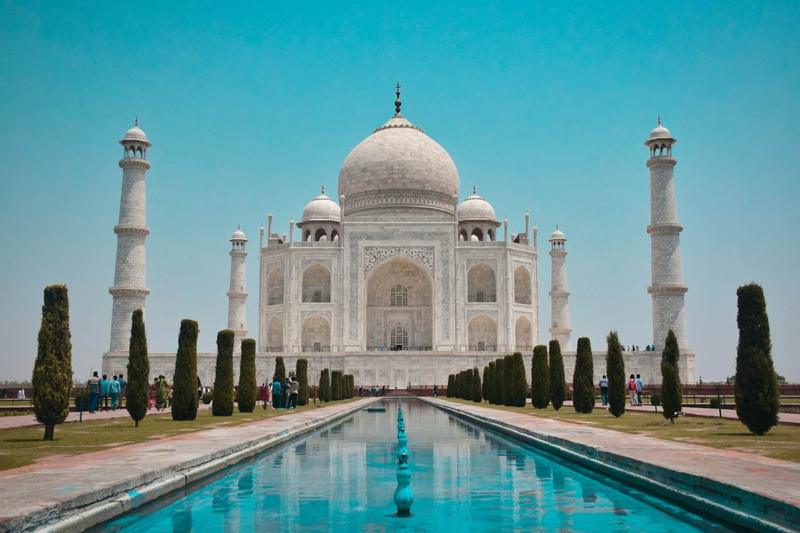
3-Day Private Golden Triangle
Three days that link Delhi, Agra and Jaipur by road with one car, one driver and a licensed guide in each city.
Related guides
Tell us when you are travelling.
A short message is enough. We will come back with a plan, personally.
Enquire