Jaipur is good for block-printed textiles, silver and gemstone jewellery, blue pottery and handmade rugs. Shop on your own schedule, look before you buy, compare in more than one place and never feel rushed. Guides and drivers can receive commissions at some shops, so decide in advance where you want to go.
Jaipur has been a trading city for centuries, and its bazaars still sell what the region has long been known for: printed cloth, stone and silver, glazed pottery and woven rugs. For many visitors, an hour or two of shopping is a pleasure and a good way to take something real home.
It can also be tiring and confusing if you arrive without a plan. This guide covers the main crafts in general terms, how to shop calmly, and an honest note on commissions, so that you stay in charge of your day. We name no shops and give no figures, because both change and neither is ours to promise.
Block-printed textiles
Block printing is the craft most closely tied to Jaipur and its surroundings. Cloth is stamped by hand with carved wooden blocks and natural or synthetic dyes, producing the repeating patterns you see on scarves, tablecloths, bedspreads, kurtas and cushion covers. Quality varies a great deal.
Look closely at the print. In good work the pattern is crisp and slightly imperfect in a human way, and the colour sits evenly in the cloth. Turn the fabric over, as the back of hand-printed cloth shows the dye soaking through. Machine-printed copies look flat and perfectly regular, and are common in tourist areas.
Many visitors enjoy seeing a printing workshop, where a craftsman stamps a length of cloth in front of you. It is a good way to understand what you are buying, and you are not obliged to purchase anything.
Jewellery and gemstones
Rajasthan has a long tradition of silver jewellery, enamel work and stone setting, and Jaipur is known as a centre for cutting and trading coloured gemstones. You will see everything from simple silver pieces to elaborate settings.
This is the category in which caution matters most. Gemstones can be treated, imitated or described in ways that are hard for a newcomer to check. If you are interested in a stone as an investment, or are told something is rare, be sceptical, take your time and do not buy on the day. If you simply like a piece of silver or a bright stone, enjoy it for what it is.
Ask for the item to be described plainly, in writing if possible, and avoid any arrangement involving shipping valuables or paying large sums on the spot. When in doubt, walk away. The shop will still be there tomorrow.
Blue pottery
Jaipur blue pottery is a distinctive craft, recognisable by its white body and cobalt blue and turquoise decoration. It is not made from clay in the usual sense, and pieces are fired at a relatively low temperature, which makes them delicate.
Look for clean glaze, even painting and no chips along the base or rim. Tiles, small dishes and coasters are practical to carry. Larger vases and plates are beautiful but fragile, so think about how you will get them home before you choose.
Ask how the piece is meant to be used. Many items are decorative and not intended for hot food or the dishwasher.
Rugs and carpets
Handmade rugs are a major purchase and the area where shop visits can run long. Hand-knotted rugs, woven flat-weave rugs and tufted rugs are different things, and the difference matters. Hand-knotted work takes months and is judged by the number of knots, the dye and the pattern. Tufted and machine-made rugs are faster to produce and sit in a different place in the market.
If you are considering a rug, learn the basics before you go, give yourself time and compare more than one shop. A rug is large, so also think about the room you will place it in, and how it will travel. Shipping is common, but you should understand exactly how it works and who is responsible.
If you do not want a rug, say so at the start. You can look politely and leave.
How to shop calmly
Decide in advance what you would like to see, and how much time you want to give it. One or two hours is enough for most people. Keep your mornings for the sights and your late afternoons for the shops, when the heat has eased.
Look before you buy, and go back to compare. Bargaining is normal in bazaars and small shops, but shops with marked tags exist too. Offer an amount you are comfortable with and walk away if it does not suit you. If you feel rushed, offered tea you did not ask for or pressed to decide today, take that as a sign to leave.
Carry small notes, keep your card for larger purchases, and ask for a receipt. Do not feel obliged to buy because someone has given you tea or shown you around. Courtesy is not a contract.
Commissions, honestly, and how to keep control of your day
It is common in tourist cities, in India and elsewhere, for guides and drivers to receive a commission from shops they bring visitors to. This is not always hidden, and it is not always a problem. A shop may be good and still pay a commission. But it can quietly shape the day, so that you end up in shops you did not choose.
The simplest way to keep control is to say what you want at the start of the day. If you want one printing workshop and a free hour in the bazaar, say so. If you do not want any shop stops, say that clearly instead. A good guide or driver will respect it. Tell us before the journey if you want no shop stops at all, and we will plan the days that way.
If you do want to shop, we can suggest what to look for and how long to spend, and you can go where you choose. You can write to us on WhatsApp or through the enquiry form when you plan your Jaipur days.
People also ask
What is Jaipur best known for buying?
Do guides and drivers get commissions from shops?
Can I say no to shop stops on a tour?
Is bargaining expected in Jaipur?
How can I tell real block printing from machine printing?
Is it safe to buy gemstones in Jaipur?
Take it privately
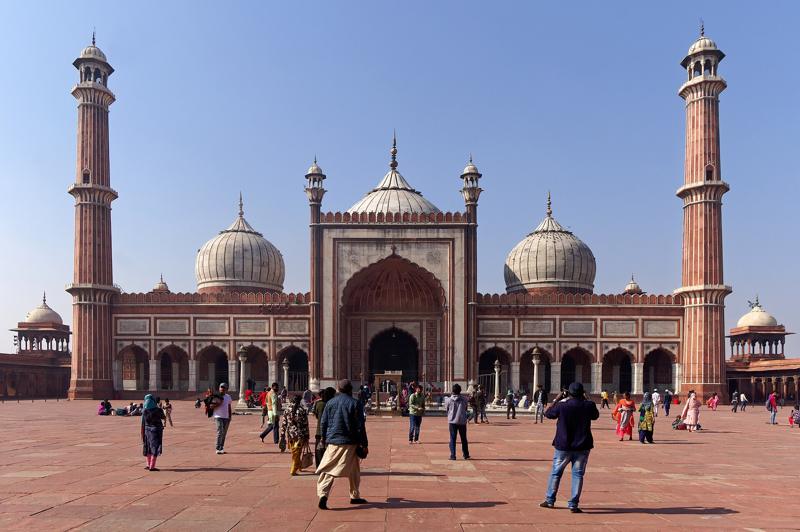
Golden Triangle food journey
A six-day Delhi, Agra and Jaipur journey in which meals shape the days: street food in Old Delhi, Mughlai cooking in Agra and Rajasthani thalis in Jaipur.
5-Day Private Golden Triangle
Five days that give each city its own space: a Delhi day, a drive to Agra, the Taj Mahal at first light, then Jaipur and the drive back.
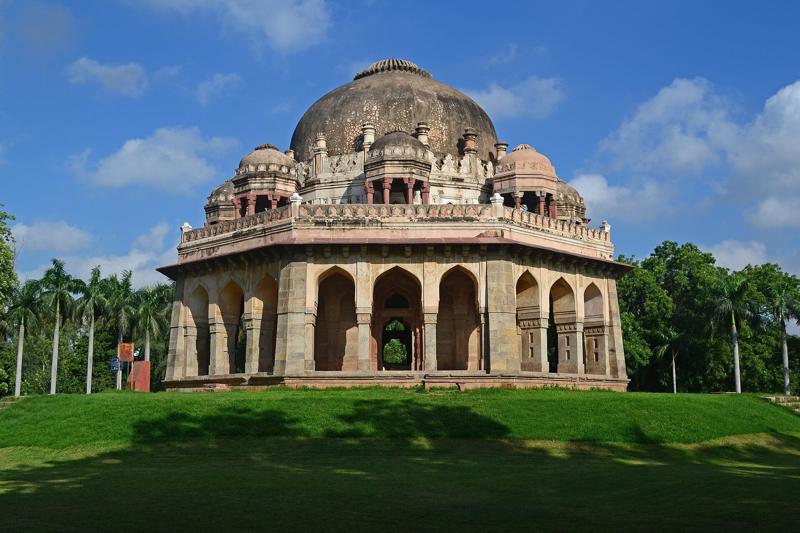
Golden Triangle at a gentle pace
Eight days through Delhi, Agra and Jaipur with a rest day built in, no day asking for more than one main outing, and drives kept to a few hours at a time.
Related guides
Tell us when you are travelling.
A short message is enough. We will come back with a plan, personally.
Enquire