Yes, for most travellers. Fatehpur Sikri is an abandoned Mughal capital that sits almost on the road from Agra to Jaipur, and it needs about two hours. It is worth it with a licensed guide, a calm plan for the touts at the entrance and some energy left. If you are exhausted, or short of time, skipping it is fair.
Fatehpur Sikri is a planned city of red sandstone built by the emperor Akbar in the sixteenth century and left almost empty not long afterwards. It lies roughly an hour from Agra on the way towards Jaipur, so it is the natural stop on that long drive.
Many itineraries include it automatically, as ours often do, and some travellers wonder whether it is really worth the time. Here is our honest answer, with the practical details that decide whether the visit is a pleasure or a chore.
What you are actually visiting
Akbar built Fatehpur Sikri as his capital, with palaces, courtyards, halls and a great mosque, and then the court moved away after a relatively short time. Because it was left behind rather than rebuilt, much of it survives in a clear, readable form. You walk through spaces where you can still see how a Mughal court was arranged.
The site has two broad parts. The royal area holds the palaces and halls, and the religious area holds the Jama Masjid and the tomb of the Sufi saint Salim Chishti, which is still a living place of worship. The great gate of the mosque, the Buland Darwaza, is a very tall and imposing feature and is often the first thing people photograph.
It is not a ruin in the sense of broken walls. It is a quiet, largely intact set of buildings. The red stone, the empty courtyards and the sense of a court that simply walked away are what most visitors remember. Ask your guide about the water question, which is the usual explanation offered for why the city was left, and about what historians still debate.
Our honest verdict
For most travellers going from Agra to Jaipur, it is worth the stop. It sits on the route, so the detour is small. It gives you a different side of Mughal history from the Taj Mahal and Agra Fort, and it breaks a long drive into two shorter parts.
It is a better stop if you enjoy history, architecture or open courtyards. It is a weaker stop if you are already tired, if the day is very hot, or if you have seen several forts and palaces and need a rest from them. Fatehpur Sikri rewards attention, and it is easy to waste on a tired afternoon.
If you have seen it before or are short of time, skip it without guilt. Your journey will still be a good one.
How much time you need
Plan on about two hours inside, with a guide. That is enough to see the main palaces, the courtyards and the mosque complex without rushing. With less than ninety minutes, the visit becomes a quick walk. With much more than two and a half hours, most people begin to flag.
Add time for the approach. Visitors normally park at a designated place and take a short transfer to the entrance, and there can be a queue for tickets and security. We allow for this in our plans, and we do not schedule the visit tightly.
The best time is either the morning or the late afternoon. Midday in summer is hard, as the stone holds heat and shade is scarce. Take water, a hat and shoes that are easy to slip off.
Touts, sellers and how to stay calm
Fatehpur Sikri has a reputation for pressure from people offering to guide, sell souvenirs or take your photograph. It is a fair warning, though in our experience it is more tiring than dangerous. It is mostly persistent and tiring, particularly just outside the gates and near the mosque.
The simplest defence is to arrive with a licensed guide and a driver who knows the routine. A polite no, a steady walk and no eye contact are enough for most approaches. Do not accept things offered to you for free, as they usually lead to a request for money. Agree nothing in advance with anyone who approaches you on the way in.
Our page on tourist scams and touts in Agra and Delhi covers more of this. Go in knowing that the noise is part of the setting, and that inside the buildings it is much calmer.
What a guide adds here
Fatehpur Sikri is a place where a guide makes a larger difference than at many sites. The buildings are beautiful but mostly empty, and without explanation they can look like a series of similar courtyards. A guide tells you which hall was for what purpose, how the court was arranged, and why the city was left.
A good guide also keeps you out of trouble. They know where to enter, how long to give each area, and how to move through the seller lanes with you. That alone can change how the visit feels.
We use licensed guides on our journeys. If you travel with another arrangement, check that your guide is licensed and that the plan is agreed before you start.
Who may skip it, and how to plan the stop
You may reasonably skip Fatehpur Sikri if you are short on time and would rather reach Jaipur in the early afternoon, if you are travelling with very young children or older guests who find long walks hard, or if you are very tired from earlier days. Some travellers also prefer a quiet lunch to another monument. All of these are fair choices.
If you do stop, we plan it as part of a calm day: leave Agra after a slow breakfast, visit in the morning, take lunch on the road and arrive in Jaipur in the afternoon. It can also be combined with other stops on the way, and we can discuss that when we plan.
If you are unsure, tell us how you like to travel and we will give you an honest recommendation. You can reach us on WhatsApp or through the enquiry form.
People also ask
How long does Fatehpur Sikri take to visit?
Is Fatehpur Sikri worth visiting if I have already seen Agra Fort?
Are there touts at Fatehpur Sikri?
Do I need a guide at Fatehpur Sikri?
What should I wear at Fatehpur Sikri?
Can I visit Fatehpur Sikri on a Friday?
Take it privately
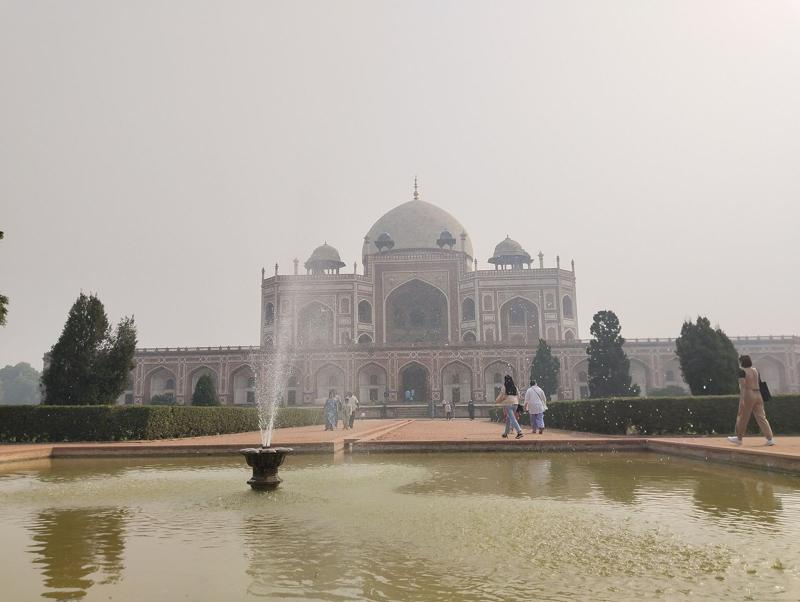
Golden Triangle for first-timers
Five days for people who have never been to India, with the practical side taken care of.

5-Day Private Golden Triangle
Five days that give each city its own space: a Delhi day, a drive to Agra, the Taj Mahal at first light, then Jaipur and the drive back.
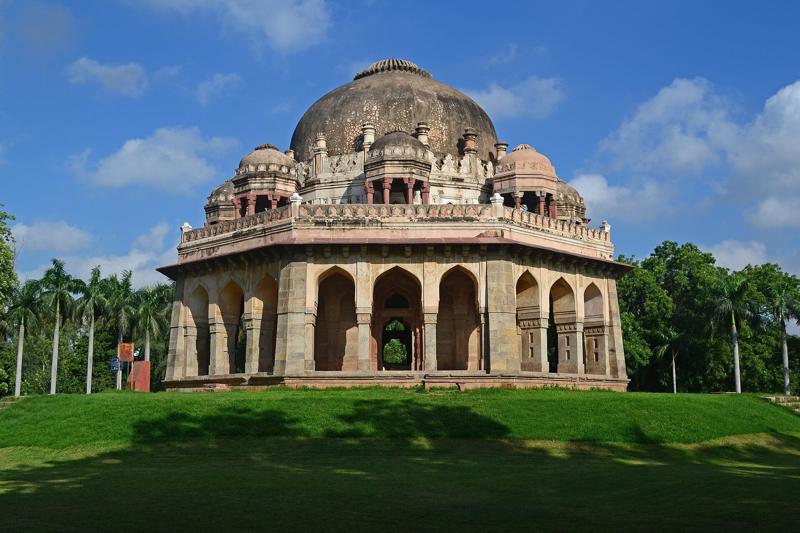
Golden Triangle at a gentle pace
Eight days through Delhi, Agra and Jaipur with a rest day built in, no day asking for more than one main outing, and drives kept to a few hours at a time.
Related guides
Tell us when you are travelling.
A short message is enough. We will come back with a plan, personally.
Enquire