Indian food is varied, and much of it is milder than people fear. You can ask for less spice, vegetarian dishes are everywhere, and most dietary needs can be handled if you say so early. Ease in gently, and be selective with street food at the start.
For many first-time visitors, the food is one of the best parts of the trip, and also the part they worry about most. Both reactions are fair. North Indian cooking is rich and full of flavour, and it can take a day or two to adjust.
This guide covers what to expect in Delhi, Agra and Jaipur, how spice works, how to look after dietary needs, and how to approach street food. It is general guidance, and your guide can help at each meal.
What you will actually be eating
Across Delhi, Agra and Jaipur you will meet North Indian cooking: breads such as naan, roti and paratha, lentil dishes, vegetable curries, rice, yoghurt, grilled meats and a wide range of sweets. Meals are often shared, with several dishes in the middle of the table and bread or rice alongside.
Regional touches appear as you travel. Delhi has a strong street and snack culture, Agra is known for its sweets and for the petha made from gourd, and Rajasthani cooking, as in Jaipur, includes dishes designed for a dry climate, with lentils, gram flour and generous use of ghee. Your guide can name what is on the plate.
Breakfast at hotels usually offers both Indian and familiar options, so you can start the day with something you know. Tea with milk and spices, called chai, is served everywhere and is a gentle way to start or end a meal.
Spice levels, and how to manage them
Spicy does not mean the same thing everywhere. Many dishes are rich and aromatic rather than hot. Chilli heat varies from dish to dish and from kitchen to kitchen. Tourist-facing restaurants often cook milder than a family home would.
You can ask for less spice. Phrases such as mild, not spicy or little chilli are understood in hotels and restaurants, and your guide can ask for you. Order a cooling side such as plain yoghurt or raita, and keep bread or rice close to calm a dish that is hotter than expected.
Start milder on your first night, especially after a long flight. You can raise the heat as you get used to it. Our guide to staying healthy covers other everyday habits. If a dish is too hot, do not drink water, because it spreads the heat. Yoghurt, bread or a sweet bite works better.
Vegetarian, vegan and other dietary needs
India has a very long vegetarian tradition, so vegetarian food is easy to find and often excellent. Many restaurants have separate vegetarian sections, and some are entirely vegetarian. Vegan travellers can eat well too, but dairy, ghee and yoghurt are common, so say clearly that you avoid them.
For allergies and strict requirements, be specific. Say what you cannot eat, why, and how serious it is. Nuts, dairy, gluten and shellfish can all appear in places you would not expect. Ask how a dish is made rather than trusting the name, and carry any medication you need. Wheat bread and sauces may carry gluten even when the dish looks simple, so ask about thickeners and marinades.
Tell us your needs when we plan, on WhatsApp or through the enquiry form. We pass them on to your guide and driver, so they can steer you at each meal. We cannot promise special arrangements, but we can plan around what you tell us.
How to ask, and what to say
Keep it simple and polite. Staff in hotels and restaurants used to visitors speak English, and a few clear words go a long way. Say what you eat, what you avoid and how spicy you like it. A guide can write it down in Hindi on a small card if you want one.
Do not be shy about asking questions. People are generally pleased when guests are interested. Ask what a dish is, how it is made and whether it is spicy. Ask for the sauce on the side if you are unsure. Ask your guide to translate any notes you carry about allergies, since a written note is easy to hand over in a busy kitchen.
Eating with your right hand is customary where food is eaten by hand, and cutlery is always available in places that serve visitors. Share dishes, taste a little of everything and leave what you do not like.
Street food: curiosity with caution
Street food is a big part of Old Delhi, and many travellers enjoy it without trouble. It also carries more risk for stomachs not used to it. Go with your guide, choose busy stalls with food cooked in front of you and avoid anything that has been sitting out.
Try one or two items first, not a full spread, and see how you feel. Skip raw salads and cut fruit from unknown sources, and avoid ice. If your stomach is sensitive or you are only a few days into the trip, wait until later or skip it. Nobody will mind.
If food is a big reason for your trip, tell us. Some journeys are shaped around eating in Old Delhi and Agra with a guide who knows the lanes, and we can talk through what suits you. Keep hand sanitiser in your bag, because it helps before you eat when a sink is not nearby.
Eating well, and a final word
Eat freshly cooked food, drink safe water, keep your pace gentle on the first days and listen to your stomach. Most travellers find that by the middle of the trip they are eating happily and asking for more.
Do not worry about missing out if you eat cautiously. A good meal at a hotel or a busy restaurant is still a good meal, and you can always try more later in the trip. Fruit that you peel yourself, such as bananas, is usually a safe snack to carry between meals.
If you have questions, ask us on WhatsApp or through the enquiry form. We will plan the meals and stops with your tastes and needs in mind.
People also ask
Is Indian food always very spicy?
Is it easy to be vegetarian in India?
How do I tell a restaurant about a food allergy?
Is street food in Delhi safe for visitors?
What should I eat on my first night in India?
Can I get familiar food if I do not like Indian dishes?
Take it privately
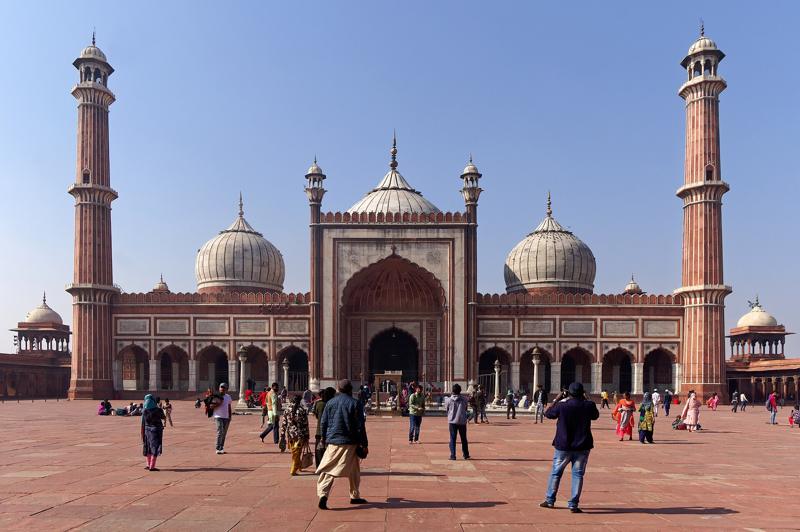
Golden Triangle food journey
A six-day Delhi, Agra and Jaipur journey in which meals shape the days: street food in Old Delhi, Mughlai cooking in Agra and Rajasthani thalis in Jaipur.
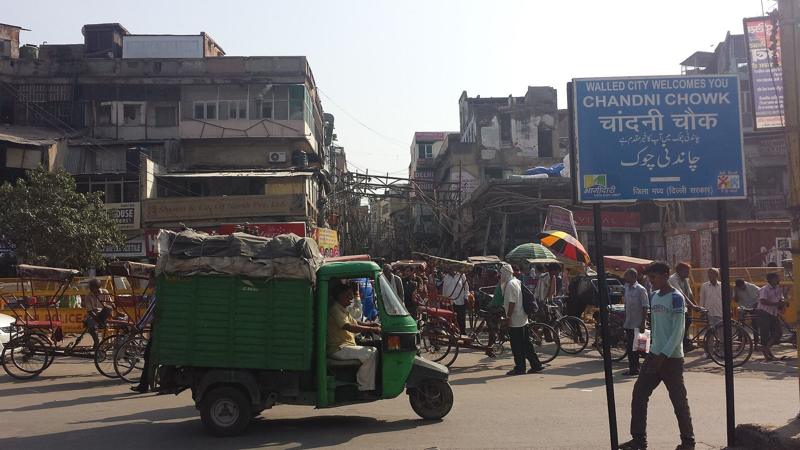
Old Delhi food and lanes
A slow day through the oldest part of Delhi on foot and by cycle rickshaw, with a local guide who knows the lanes and the food.
Related guides
Tell us when you are travelling.
A short message is enough. We will come back with a plan, personally.
Enquire