A private car is easier for most travellers on the full Golden Triangle: door to door, flexible, with room for luggage and stops on the way. Trains can be pleasant on some stretches, particularly Delhi to Agra, but station transfers, fixed times and the Agra to Jaipur leg add friction. Check current timetables and availability yourself.
The Golden Triangle is three cities connected by long, busy roads and a large railway network, so both options are real. Many independent travellers take trains between some or all of the cities. Many guests on our journeys prefer a private car and driver.
This page widens the question beyond a single leg. If you only want to compare Delhi and Agra, our page on that route goes into more detail. Here we look at the whole triangle, and we give no fares or timetables, because both change and you should always check them with the railway before you rely on them.
How the two options differ
By train, you travel from station to station. You get to the station, find your platform and coach, board, ride, then leave the station and find onward transport. The rail stretch itself may be comfortable, but the journey as a whole has several steps.
By private car, you travel from your hotel door to your next hotel door, or to a monument on the way, in one vehicle with one driver. You decide when to leave, where to stop and how long to stay. The cost to you is time on the road, which in India can be long.
Neither is always faster. What differs is how much of the journey is under your own control.
Luggage and the practical side
Luggage is the first practical difference. In a car, bags go in the boot and stay there. On a train, you carry or wheel bags through stations that can be crowded, along platforms and up and down stairs, and lift them into racks. Porters are available at major stations, but it is another thing to manage.
If you travel light with one bag each, trains are quite manageable. If you have large cases, or are travelling with children or older guests, the car is considerably easier.
Station transfers add time at both ends. You need to reach the station early enough, and after arrival you need a taxi or driver to your hotel. In a private car this part simply does not exist.
Timing and reliability
Trains run to a fixed schedule, which is helpful if it suits you and awkward if it does not. Departure times may be very early or at inconvenient hours, and popular trains can be full, so tickets need to be arranged ahead. Delays happen, particularly in the foggy winter weeks. We cannot give you timetables, and you should check them with the railway before you plan around one.
A private car runs to your own timetable. You leave when you are ready, and you can start later after a late night or earlier for a sunrise. Road travel has its own uncertainty, such as traffic, roadworks and weather, and long drives are tiring. We plan with a margin so that the day is not built on a single tight connection.
The two options fail in different ways. A missed train can ruin a day. A slow road simply adds an hour.
Flexibility and stops on the way
This is where the car is strongest. Between Agra and Jaipur, for example, a driver can stop at Fatehpur Sikri or a stepwell and continue. A train cannot, and getting to such places without a car is slow.
A car also lets you shift the plan. If you want an extra hour at the Taj Mahal, a late lunch or a rest, you can have it. If a day goes badly, you can cut it short and go back to the hotel. A train ticket does not bend in that way.
If you value a spontaneous day, the car wins. If you prefer a set plan and like watching the country from a window without anyone driving, the train has real charm.
Where trains genuinely make sense
There are reasons to choose trains, and we say so plainly. Rail travel is part of the experience of India for many visitors, and a comfortable seat on a good express train is a pleasant way to see the landscape. Delhi to Agra is the stretch where it works best, as there are frequent services and the journey is short.
Trains also suit travellers who like to be independent, who are comfortable reading timetables and booking tickets, and who travel light. They remove the long road hours, and they can feel calmer than a drive on a busy highway.
Between Agra and Jaipur and between Jaipur and Delhi, the picture is less simple. Choose with care, check availability, and allow time for transfers at each end.
Our suggestion
If you are covering all three cities in about a week and want a calm trip, a private car and driver with a licensed guide in each city is the easier plan. It also lets you see the stops between the cities, which are often among the best parts of the day. If you would like one train stretch for the experience, we can plan the rest around it. Flights and train tickets are not included in our journeys, so we help you plan around whatever you arrange.
Tell us how you like to travel, how much luggage you will carry and what you would like to avoid. Write to us on WhatsApp or through the enquiry form, and we will suggest a plan that fits.
People also ask
Is it better to do the Golden Triangle by train or car?
Can I mix trains and a private car on one trip?
Are train tickets included in your journeys?
What about luggage on Indian trains?
Do trains run late between Delhi, Agra and Jaipur?
Which stretch of the Golden Triangle works best by train?
Take it privately
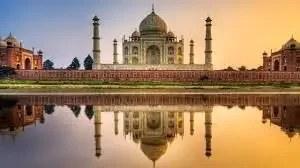
5-Day Private Golden Triangle
Five days that give each city its own space: a Delhi day, a drive to Agra, the Taj Mahal at first light, then Jaipur and the drive back.
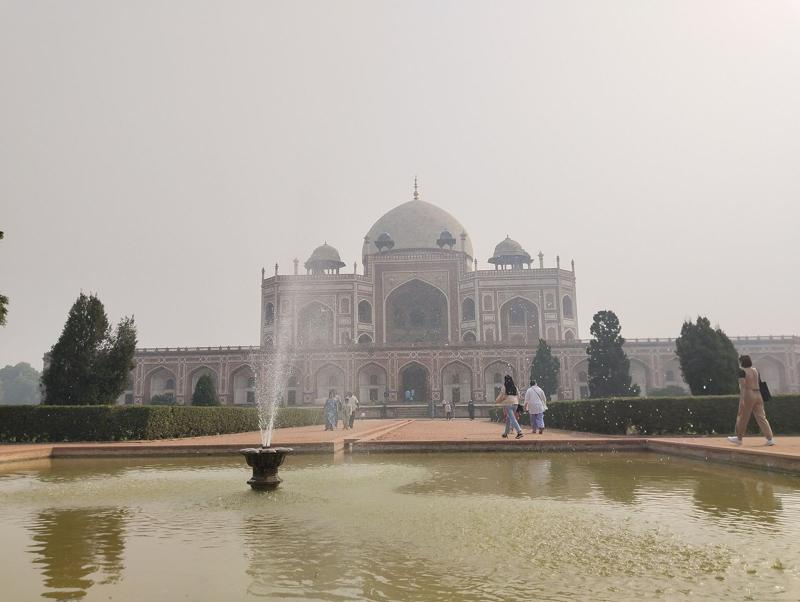
Golden Triangle for first-timers
Five days for people who have never been to India, with the practical side taken care of.
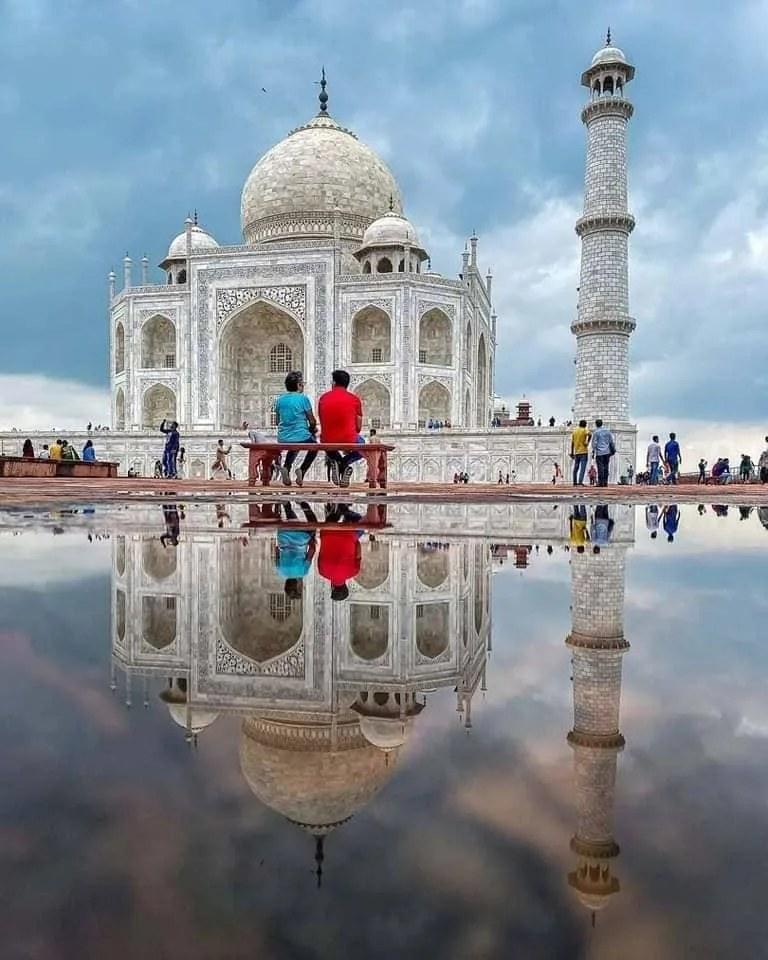
7-Day Private Golden Triangle
Seven days with a quiet arrival, a full Delhi day, a measured drive to Agra, the Taj Mahal at first light, then Jaipur with one full day to explore.
Related guides
Tell us when you are travelling.
A short message is enough. We will come back with a plan, personally.
Enquire