With one day in Delhi, spend the morning at Humayun's Tomb, drive through the Lutyens area past India Gate, then spend the afternoon in Old Delhi around the Jama Masjid and Chandni Chowk. It fills a full day without rushing if you start early and use a car and driver, and you can swap one stop for the Qutub Minar if you prefer.
Delhi is two cities in one. Old Delhi is the crowded Mughal capital of lanes, mosques and markets. New Delhi is the wide, planned capital laid out in the early twentieth century, with avenues, lawns and government buildings. A good single day touches both, plus the Mughal garden tomb that connects them.
This plan suits a first visit, a long stopover or a day before a flight onward. It assumes a private car and driver, because Delhi's distances and heat make hopping between stops on your own tiring.
The shape of the day
The sequence that works best is calm to busy and cool to warm: Humayun's Tomb early, the Lutyens area by car late morning, lunch, then Old Delhi in the afternoon when you have settled into the city. It also puts the most crowded part of the day in the part where you have the most energy.
Start by about eight o'clock. In the hotter months, starting earlier makes the day much more pleasant. A day like this usually finishes around five or six in the evening, leaving time for dinner or a rest.
Morning: Humayun's Tomb
Humayun's Tomb is a UNESCO World Heritage Site in southeast Delhi, built in the sixteenth century for the second Mughal emperor. Its red sandstone and white marble, formal garden and high dome are widely seen as an early model for the Taj Mahal, so seeing it first gives you a way of reading Mughal architecture.
Allow about an hour to an hour and a half. The paths are broad, the lawns are shaded in places, and morning light on the sandstone is kind. If you have more time, the neighbouring tombs and the Nizamuddin area are close by, but one day does not usually allow it. Our fuller guide to Humayun's Tomb covers the history and layout.
The tomb is also a good place to ask questions of a guide, since the garden layout, the double dome and the relationship with the later Taj Mahal all reward a little explanation. If you go in the first hour after opening, you will often share the lawns with only a few other visitors.
Late morning: the Lutyens area and India Gate
From the tomb, a drive through the Lutyens area shows the planned capital: the long ceremonial avenue, the India Gate war memorial, the Rashtrapati Bhavan, which is the president's residence, and the Parliament and secretariat buildings. Much of this is seen from the car with short stops for photographs, because access to the government buildings is restricted.
If you want to walk, India Gate and its lawns are pleasant, particularly earlier in the day. Lodhi Garden, with its fifteenth and sixteenth century tombs among trees, is a good alternative if you want to stretch your legs in shade. Choose one, not both, to keep the day on time.
Lunch and a rest
Take a proper break around midday. Delhi's food ranges from simple North Indian dishes to regional cooking, and your driver or guide can suggest somewhere suited to your tastes, including mild options if you are cautious about spice. If you are with us, we can discuss preferences when we plan. A short rest at the hotel before the afternoon is worth taking in warmer months.
Afternoon: Old Delhi, the Jama Masjid and Chandni Chowk
Old Delhi, once the Mughal capital called Shahjahanabad, is the liveliest part of the day. The Jama Masjid is among India's largest mosques. Visitors should dress modestly, cover shoulders and knees, remove shoes and avoid prayer times, and the rules about what is allowed can change.
From there Chandni Chowk, the old main street, unfolds in a crowd of shops, spice sellers and food stalls. A cycle rickshaw ride through the lanes is a popular way to see it, and a guide helps you choose what to eat and where. The Red Fort is nearby and can be admired from outside if time is short. Note that it has traditionally been closed on Mondays, so check before you go.
The old city is loud, close and busy. Some travellers love it, and some find an hour is enough. Both reactions are reasonable, and our comparison of Old Delhi and New Delhi may help you decide how much to include.
Swaps and alternatives
If Humayun's Tomb is not for you, the Qutub Minar complex in south Delhi, with its tall red sandstone minaret and ancient ruins, is a good substitute. If you prefer museums, the National Museum is an option, though it takes time. If you have an evening, a temple visit such as the Lotus Temple, or a quiet dinner near the hotel, is a gentle ending.
Different days of the week change the plan. Many monuments close on particular days, and Friday afternoons around the Jama Masjid can be busy because of prayers. Your driver or guide can reshuffle the order to suit.
What to wear, and where one day fits in a longer trip
Delhi days involve a lot of walking on uneven paths, shoe removal at religious sites and quick changes between sun and shade. Wear light, modest clothes that cover shoulders and knees, comfortable shoes that slip off easily, and a hat in the warmer months. Carry water, sun protection and a small bag, as larger bags can slow entry at some monuments.
In winter, mornings can be cool and misty, so a light layer is useful. In the warmer months, the middle of the day is hot, which is one more reason to keep the schedule early and to rest at lunch.
For many travellers Delhi is the arrival point, and one day with a rest after the flight is a sensible start before heading to Agra. If you are building a longer route, our Golden Triangle guides show how a day in Delhi connects with Agra and Jaipur, and we can plan the whole thing as a private journey with a driver and a licensed guide.
Because Delhi's distances are large and the traffic is unpredictable, we would rather leave a stop out than race the schedule. A day that includes two unhurried visits and a good lunch is usually remembered more fondly than one that includes six stops seen through a car window. If you tell us your interests, your pace and the season, we can reshape the order, add a stop or remove one, and plan it as part of a private journey.
People also ask
Is one day enough to see Delhi?
What should I see first in Delhi?
Is it better to see Old Delhi in the morning or afternoon?
Can I visit the Red Fort and Humayun's Tomb on the same day?
Should I hire a guide for one day in Delhi?
Can I visit the Taj Mahal if I only have one day in Delhi?
Take it privately
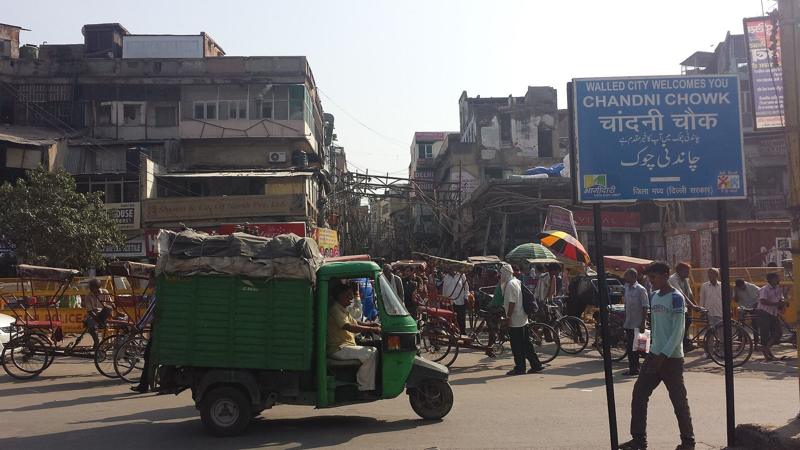
Old Delhi food and lanes
A slow day through the oldest part of Delhi on foot and by cycle rickshaw, with a local guide who knows the lanes and the food.
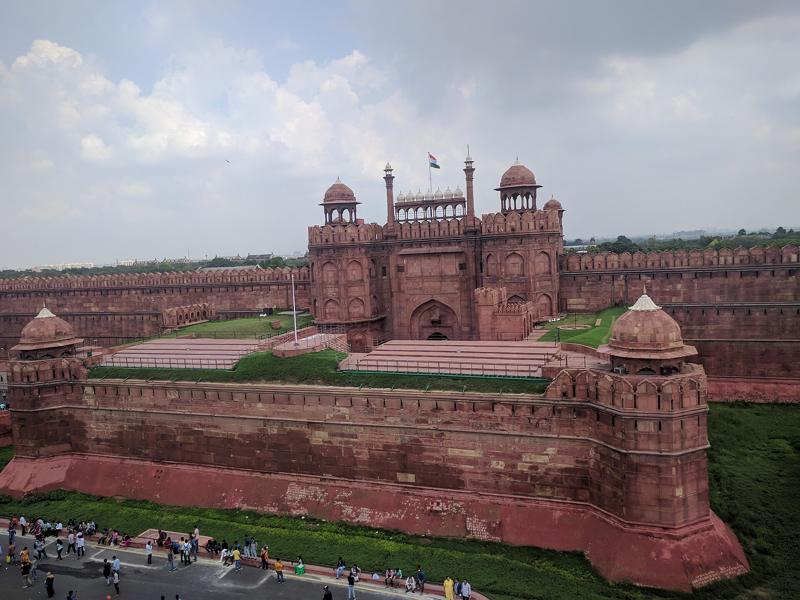
The Mughal trail
Six days through Delhi and Agra that follow the Mughal story from Humayun's Tomb and the Red Fort to Agra Fort, Fatehpur Sikri and the Taj Mahal.
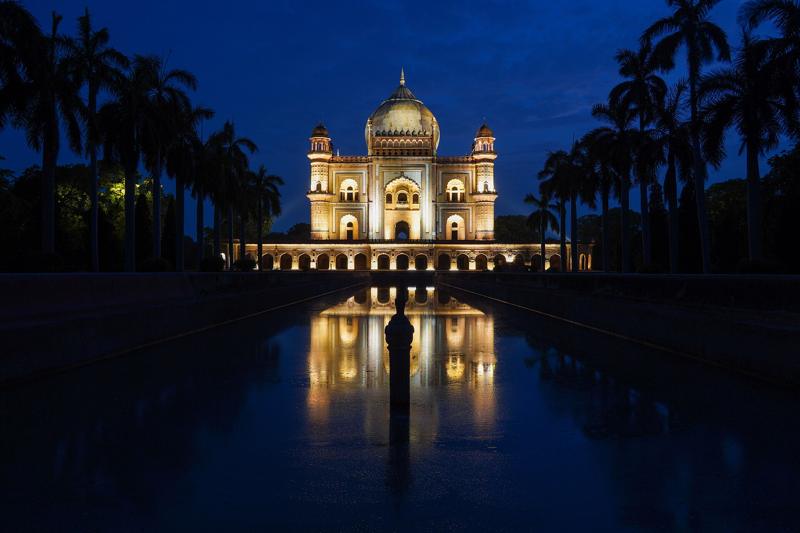
Delhi and Agra in three days
Three days that begin with a full day in Delhi, move to Agra by road, and finish with the Taj Mahal on the morning of the third day before the drive back.
Related guides
Tell us when you are travelling.
A short message is enough. We will come back with a plan, personally.
Enquire