Yes, Itimad-ud-Daulah, often called the Baby Taj, is worth visiting if you have a few extra hours in Agra. It is a small, quiet white marble tomb on the Yamuna with some of the finest inlay work in the city, and it takes about 45 minutes to an hour. It does not replace the Taj Mahal, but it is a gentler, less crowded companion to it.
Most visitors to Agra plan around the Taj Mahal and the fort, and the Baby Taj gets squeezed out. That is a pity. It is the one major Mughal tomb in Agra where you can stand close to the carved marble, look at the stone inlay at arm's length and hear birds instead of a crowd.
This guide explains what the monument is, why it earned its nickname, what to look for when you are inside, and how to fit it into a day that already includes the Taj Mahal. We will also be honest about who should skip it.
What is Itimad-ud-Daulah, and why is it called the Baby Taj?
Itimad-ud-Daulah is a tomb on the east bank of the Yamuna river, built in the early 1620s. It was commissioned by Nur Jahan, the powerful wife of the emperor Jahangir, for her father, Mirza Ghiyas Beg, who held the title that gives the monument its name: Pillar of the State. Her mother is also buried here.
The nickname Baby Taj comes from the resemblance people notice: white marble, a raised platform, a symmetrical garden, and delicate inlaid stone. Historians often describe it as an important step between earlier red sandstone Mughal tombs and the all marble Taj Mahal that followed a few decades later. It is smaller, more intimate and more ornate per square metre than its famous cousin.
It is sometimes called the jewel box, and once you are close to the walls you understand why.
The building is also a useful marker in the story of Mughal design. The use of pietra dura style inlay on a large scale, and the move from red sandstone toward white marble, were both developing in Agra at this time. When you later stand in front of the Taj Mahal, the Baby Taj helps you see where those ideas came from.
What you will actually see inside
The tomb stands on a low plinth in the middle of a square garden. The outer walls are covered in geometric and floral patterns made with inlaid coloured stone. Look for cypress trees, wine vessels, flowers and fruit worked into the marble. These are the details that make it feel painted rather than carved.
The upper pavilion has pierced marble screens, called jali, which filter light into soft patterns on the floor. Inside the burial chamber the walls and ceiling carry painted decoration, and the light is low and still. It is a small space, so visitors tend to enter a few at a time.
Walk to the river side of the garden as well. The pavilions near the water give a calm view across the Yamuna, and this is one of the pleasant places to stand in Agra without a crowd.
Take a few minutes to walk all four sides rather than only the entrance side. Each face repeats the pattern slightly differently, and small details reward a slow look. Your guide can point out the motifs that are easy to miss, and explain how the family of Nur Jahan shaped Agra in this period.
How long to allow and the best time to go
Allow 45 minutes to an hour. A photographer or a keen architecture lover may stay closer to ninety minutes. Because the site is compact, you can see it properly in less time than the fort or the Taj Mahal.
Morning light is kind to the marble and the garden is at its quietest soon after opening. Late afternoon also works, when the stone warms to a soft cream colour. Midday in summer is hot and the white surfaces reflect glare, so a shaded lunch break before or after is sensible.
Opening hours and entry rules for protected monuments can change, so we confirm them when we plan your day. Tickets are arranged for you. Carry a photo ID as a habit, and expect a bag check at the gate.
Baby Taj versus the Taj Mahal: an honest comparison
The Taj Mahal is larger, more perfectly proportioned and set on a scale that no other monument in India matches. If you only have time for one tomb, it is the Taj Mahal, and nothing here should change that.
Where the Baby Taj wins is intimacy. You can see the stone inlay close up, you are rarely jostled, and you can take your time. For visitors who find the main monument overwhelming, it is a good counterbalance. For photographers, the river side and the jali screens offer different pictures from the usual postcard view.
So the answer is not one or the other. It is the Taj Mahal first, and the Baby Taj if you have a spare hour.
How it fits into a day in Agra
The tomb is on the opposite bank of the river from the Taj Mahal and the fort, so it is a short drive rather than a walk. With a private car this adds very little time. A sensible sequence is the Taj Mahal at first light, breakfast at your hotel, the Agra Fort mid morning, then the Baby Taj in the quieter afternoon before sunset on the river side or at Mehtab Bagh.
If your Agra stay is only a few hours, you may not manage it, and that is fine. Prioritise the Taj Mahal and the fort. Add the Baby Taj when you have an afternoon free or a second night in the city.
Remember that the Taj Mahal is closed on Fridays. On that day, Itimad-ud-Daulah and the fort can make a very good plan, and it is worth checking which monuments are open on the day you arrive.
Who should visit, and who can skip it
Visit if you love detail, enjoy quieter places, are staying at least one full day in Agra, or are travelling with someone who has already seen the Taj Mahal and wants something new. It also suits older guests, because the site is small and mostly flat.
Skip it if you have only one short stop in Agra, if you are very tight on time before a train or onward drive, or if heat and crowds are already wearing you down. You will not miss anything essential.
If you would like it included, tell us when we plan your private journey and we will place it where the light and the schedule suit it best.
Practical tips for a smooth visit
Wear shoes that are easy to slip off, since you may be asked to remove them near the tomb itself. Carry water, a hat and sun protection, as the garden has some shade but the platform is open to the sun. Keep bags small, because security checks are routine at protected monuments.
Photography is a pleasure here because the crowds are thin. The best pictures are often of the inlay at close range and of the river view from the garden pavilions. If you use a tripod or a drone, check the rules first, as many are not allowed at protected sites.
Finally, go at an unhurried pace. This is a place to look slowly, not to tick off. If your plan is tight, it is better to skip it than to rush through.
People also ask
Is the Baby Taj open on Fridays?
How long does the Baby Taj take to visit?
Is the Baby Taj as good as the Taj Mahal?
Is it far from the Taj Mahal?
Can you take photos inside the Baby Taj?
Do you need a guide for the Baby Taj?
Take it privately
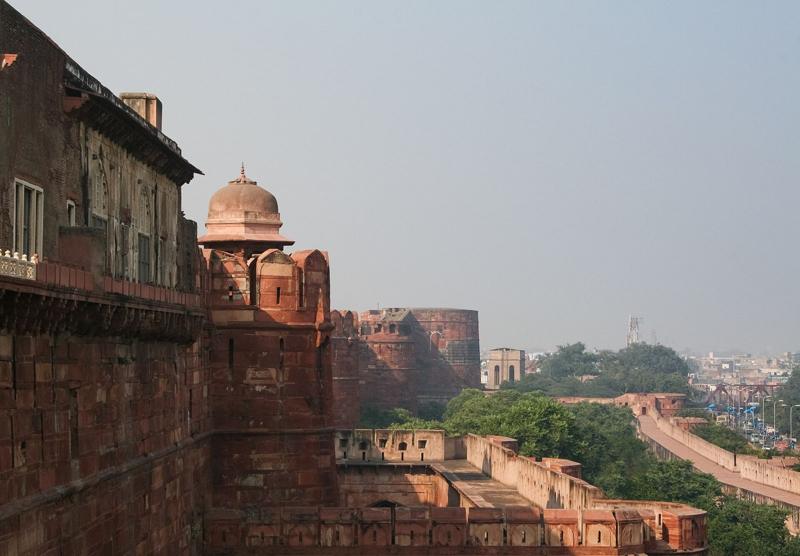
Agra in one day
A full day in Agra for guests who are staying in the city or arriving early, covering the Taj Mahal, Agra Fort and the riverside tomb of Itimad-ud-Daulah by private car with a licensed guide.

Taj Mahal overnight from Delhi
A two-day journey that stays one night in Agra, so you see the Taj Mahal at sunrise rather than in the middle of a long day.
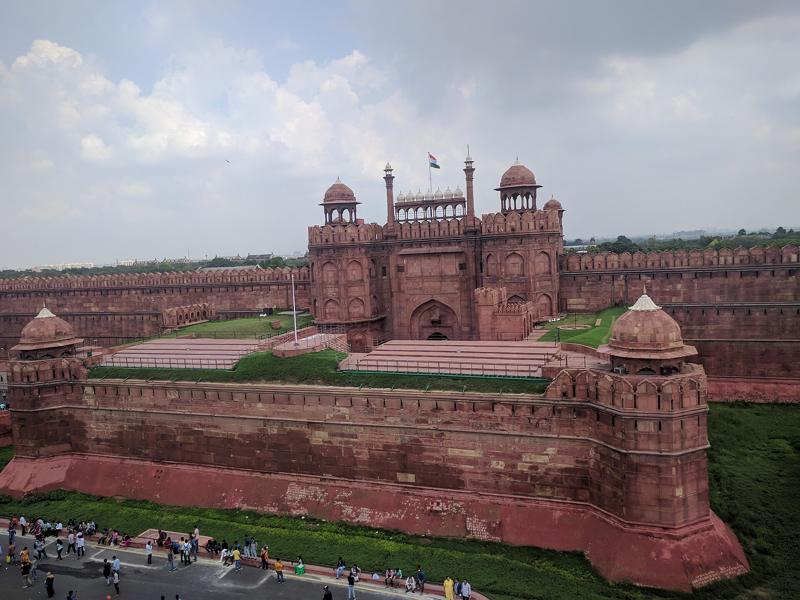
The Mughal trail
Six days through Delhi and Agra that follow the Mughal story from Humayun's Tomb and the Red Fort to Agra Fort, Fatehpur Sikri and the Taj Mahal.
Related guides
Tell us when you are travelling.
A short message is enough. We will come back with a plan, personally.
Enquire