Five-star hotels offer modern rooms, predictable service and quiet, while heritage palaces offer character, history and often a more personal feel. Choose five-star for comfort and routine, heritage for atmosphere, or mix the two across the journey.
When you plan a Golden Triangle trip, the hotel category shapes the experience as much as the route. Delhi, Agra and Jaipur all have a wide range of places to stay, and the two styles that travellers most often ask about are five-star hotels and heritage palaces.
We arrange hotels by category rather than printing a fixed list, so this page explains what each category means in practice, without naming any property. The aim is to help you describe what you want.
What a five-star hotel offers
Five-star hotels in north India are usually large, modern or recently renovated buildings with a full range of services. Expect comfortable rooms, a reliable restaurant, a good breakfast, a lobby that handles arrivals smoothly and staff used to international guests.
They suit travellers who value predictability. If you arrive tired after a long flight, a five-star hotel offers a quiet room, a dependable bed and familiar service. Many have a pool or spa, although we do not promise any particular facility until we have confirmed the hotel for your dates.
The trade-off is that they can feel similar to hotels anywhere in the world. The setting is comfortable but not always distinctive.
In practice, a five-star stay in this region means a lobby with porters, a breakfast buffet with Indian and international dishes, and a concierge who can arrange taxis, laundry and last-minute needs. Rooms are usually well soundproofed, which is a real benefit in a loud city. If you have dietary needs, a large hotel kitchen is often the easiest place to have them met.
What a heritage palace offers
Heritage palaces are older buildings, often former royal or noble residences, havelis or forts converted into hotels. They are more common in Rajasthan than in Delhi or Agra, and Jaipur has several.
Rooms may be large, with high ceilings, carved doors, courtyards and gardens. Service tends to be personal, and the building itself becomes part of the trip. Many travellers describe the stay as a highlight.
The trade-offs are practical. Older buildings can have uneven floors, steps, quirks in plumbing or air-conditioning, and fewer rooms. Some are on the edge of the city, which adds driving. Sound travels differently in old stone.
Atmosphere is the real reason to choose one. You may walk through a courtyard to breakfast, have tea on a terrace and sleep in a room with painted ceilings or carved stone. The staff are often proud of the building and glad to tell its story. For many guests this becomes the part of the trip they describe afterwards.
Be realistic about the season. Large stone rooms can be cool in winter and need good air-conditioning in summer. We ask about this when we plan and will tell you what to expect for your dates.
How the choice differs in Delhi, Agra and Jaipur
In Delhi, the choice is mostly about location. Some five-star hotels sit near the airport, while others are central, near the Mughal and colonial districts. Heritage-style stays exist but are fewer.
In Agra, hotels near the Taj Mahal save time on a sunrise morning, while those further out offer larger grounds. Agra has more five-star than palace-style options.
In Jaipur, heritage palaces are a signature of the city. Staying in one is a natural way to feel the Rajasthan setting, and we often suggest it for at least one night.
Delhi also offers boutique hotels in restored colonial homes, which sit between the two categories. If you like the idea of a smaller property with character but want a modern bathroom and quiet, this may suit you. We can discuss it when we plan.
Mixing the two on one journey
You do not have to choose one category for the whole trip. A common pattern is a five-star hotel in Delhi and Agra, where convenience and rest matter after flights and early starts, and a heritage palace in Jaipur for the atmosphere. Some travellers reverse it, depending on their taste.
Mixing also helps with comfort. After a night in an old palace with a few quirks, a smooth modern hotel can feel welcome, and the contrast adds to the variety of the journey.
If you are unsure, start with the cities where a heritage stay adds the most. Jaipur is the natural candidate, and Udaipur on a longer route even more so. Then fill the rest with the category that gives you the easiest arrival and departure.
Who each category suits
Five-star suits first-time visitors who want certainty, families with children who need space and routine, and travellers who need a dependable work area or fast Wi-Fi. It is also a fair choice for older travellers who prefer lifts and level floors.
Heritage palaces suit couples, honeymooners and travellers who care about atmosphere and photography. They also suit people who enjoy history and do not mind small imperfections.
If you have mobility needs, tell us early. Not all heritage buildings have lifts or step-free access, and we will say honestly what is possible.
A simple test: ask yourself whether you would rather have a perfect bed or an interesting room. If the first, five-star. If the second, heritage. If you cannot decide, mix them and let the contrast do the work.
Families with young children often prefer five-star because rooms connect, lifts are easy with prams, and food is simple to arrange. Honeymooners and couples often prefer heritage. Solo travellers tend to value central location and well-lit entrances, whichever category they choose.
Questions to ask before you confirm
Ask whether breakfast is included, how far the hotel is from the main sights, whether the rooms are air-conditioned, and what the check-in and check-out times are. Ask about the room type, since a palace may offer many categories of room with very different sizes.
We choose the exact property once your dates, group size and preferences are clear, and we describe it to you in writing before anything is confirmed. Rates are on request, and no payment is taken until your plan is confirmed.
It is also worth asking how the hotel handles early departures. A sunrise visit to the Taj Mahal means leaving before the dining room opens, so ask about packed breakfasts or an early tray. Good hotels deal with this often and can arrange it easily.
People also ask
What is the difference between a five-star hotel and a heritage hotel?
Are heritage palaces comfortable?
Which hotel category is better for a honeymoon?
Do you name the hotels in advance?
Is breakfast included?
Can I request a specific hotel?
Take it privately
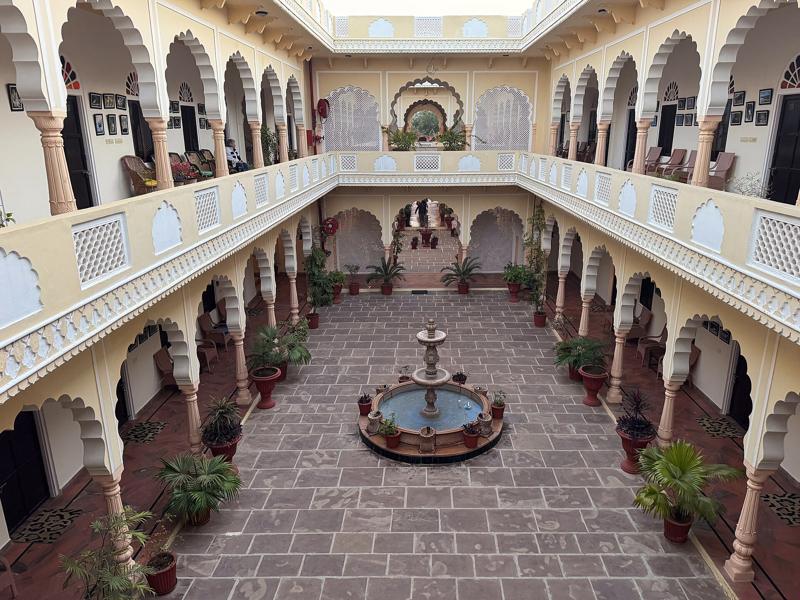
Heritage palace journey
An eight-day journey through Delhi, Samode, Jaipur and Agra built around heritage and palace stays, where the hotels are part of the sightseeing.
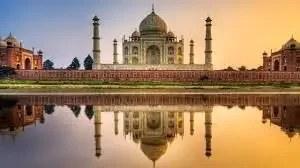
5-Day Private Golden Triangle
Five days that give each city its own space: a Delhi day, a drive to Agra, the Taj Mahal at first light, then Jaipur and the drive back.
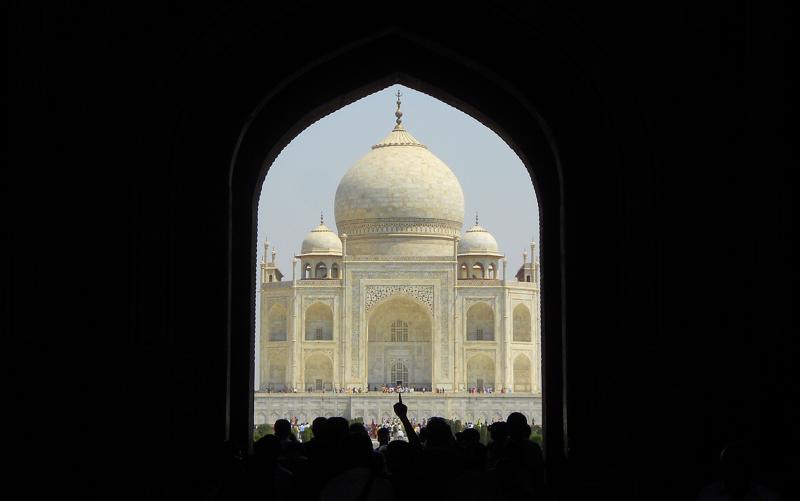
Golden Triangle honeymoon
A six-day Delhi, Agra and Jaipur journey with the pace softened for couples: late starts where possible, private time at the Taj, and evenings kept free.
Related guides
Tell us when you are travelling.
A short message is enough. We will come back with a plan, personally.
Enquire