The Golden Triangle works well for three generations if the pace is set by the slowest traveller, not the fastest. Allow more days than usual, put rest afternoons in every city and travel in a private car with room for everyone. Agree early on what each generation most wants to see.
Few trips are as rewarding as one that brings grandparents, parents and children together. They are also harder to plan, because each generation tires, eats and wants to see something different.
We plan family journeys regularly, and the best ones begin by admitting that the group will move at different speeds. This page covers how to set the pace, where to rest and what to ask for, so that nobody feels either dragged along or left behind.
Set the pace by the slowest traveller
In a large group, the plan that works is the one that suits the person who tires first. If a grandparent needs a rest at noon, everyone rests at noon. This sounds limiting, but it usually makes the whole trip calmer, and the younger travellers often welcome the pause. That means shorter days, earlier lunches and more flexibility than a standard plan.
Choose a limit before you go: perhaps two main sights a day, or one in the morning and a short outing late in the afternoon. It is easier to add something on a good day than to cut things on a bad one. Many families find that this simple rule removes most arguments before they begin.
Talk openly beforehand about walking, stairs and heat. Forts and palaces involve ramps, steps and uneven ground, and the Taj Mahal means standing in queues and walking on stone. Knowing what each person can manage lets us shape the days properly.
How many days to allow
Add days compared with a couple travelling alone. Seven or eight days is a comfortable range for Delhi, Agra and Jaipur with several generations, because it allows slow mornings and real rest. A shorter trip forces everyone to keep up. Do not treat extra days as wasted. They are what turns a hurried tour into a family holiday.
A gentle shape might include an easy first day to recover from the flight, an Agra stay of two nights so that the Taj Mahal is not squeezed in, and a longer visit to Jaipur with a late start. Spreading the same sights over more days is almost always better than squeezing them together.
If the family flies in from different places, mention it when you write. Arrivals on different days can be handled with separate pickups, and we can plan around them.
The car and the road
A larger group needs a larger vehicle, and a bigger car is more comfortable on long drives. The right size depends on how many of you there are, the amount of luggage and any mobility aids. We discuss this when we plan, and we do not promise a specific vehicle until the details are confirmed. We also ask about car seats and walking aids, so that nothing is forgotten on the day.
Drives are the hardest part for older relatives and the youngest. Delhi to Agra is roughly three to four hours, and Agra to Jaipur is longer. We plan stops for tea, toilets and a stretch, and place long drives on days with little else.
Tell us if anyone is prone to car sickness, needs frequent breaks or needs easy access to the car door. Small details like seat position and the timing of meals matter more than they seem.
Rest days and flexible afternoons
A rest afternoon is the most useful feature of a family plan. After an early Taj Mahal visit and breakfast, the middle of the day can be spent at the hotel. Older relatives rest, children swim if the property has a pool, and the energetic walk or shop nearby. It is also worth keeping lunch unhurried, since a long, quiet meal is itself a rest.
It also helps to split up on occasion. One group can visit a fort while another stays at the hotel, and the car and guide can be arranged accordingly. It is private travel, so the day is yours to divide. Splitting the group for an afternoon often makes the evening meal livelier, as everyone has something to share.
Plan one free evening per city, with dinner at the hotel. Eating together in a calm place often ends up being what families remember best.
Keeping every generation interested
Children enjoy forts, rickshaw rides and bazaars. Grandparents often enjoy gardens, tombs, craft workshops and slower cultural sights. Parents tend to want a bit of both and some quiet. The aim is a shared trip, not a single schedule that everyone endures.
Ask each person to name one thing they want to see. A plan with something for everyone is far easier to enjoy. A guide who adjusts the explanation for different ages, with stories for the young and detail for the curious, helps. A good guide will notice who is tiring and quietly shorten a visit.
Food needs thought. Choose places that suit everyone's digestion and diet, and tell us about allergies or restrictions. For health, vaccinations and medication, please see a travel clinic or your doctor, as advice varies by person and over time. Carry regular medicines in their original packaging.
How we plan it for you
When you write, tell us the ages of everyone, any mobility or health needs, and what each generation hopes to see. We draft a route with a gentle shape, rest afternoons and drives placed on lighter days, and we adjust it with you until it feels right.
Some Taj Mahal visits involve steps and queues, and we will talk honestly about what is realistic. Extras such as accessible arrangements can be discussed when we plan, but we do not promise anything before it is confirmed. Honest talk early on avoids disappointment later.
Send your details on WhatsApp or through the enquiry form, and we will suggest a pace and a vehicle that suit the whole family.
People also ask
Is the Golden Triangle suitable for three generations?
How many days do we need for a multi-generation family?
What size car do we need for a big family?
Can older family members manage the Taj Mahal?
Can some of us rest while others sightsee?
How do we keep children and grandparents both happy?
Take it privately
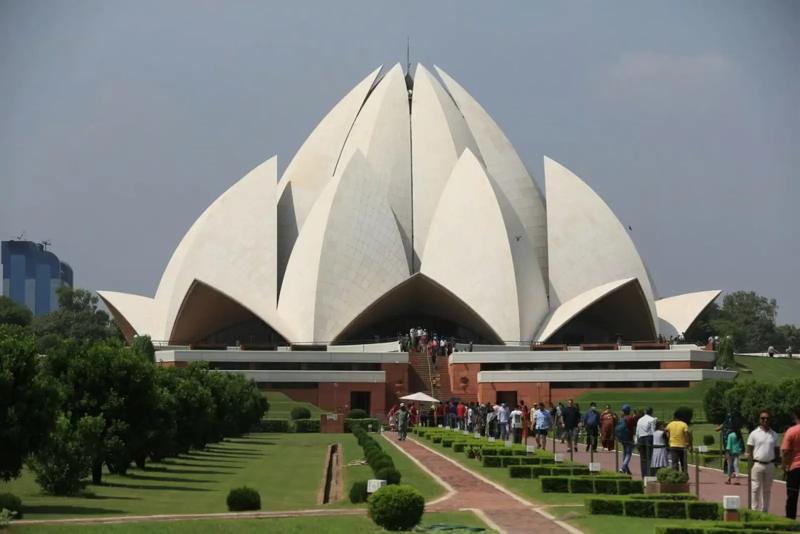
Golden Triangle for families
A seven-day Delhi, Agra and Jaipur journey shaped for parents and children: shorter walking stretches, room for rest, and sights chosen because children tend to enjoy them.
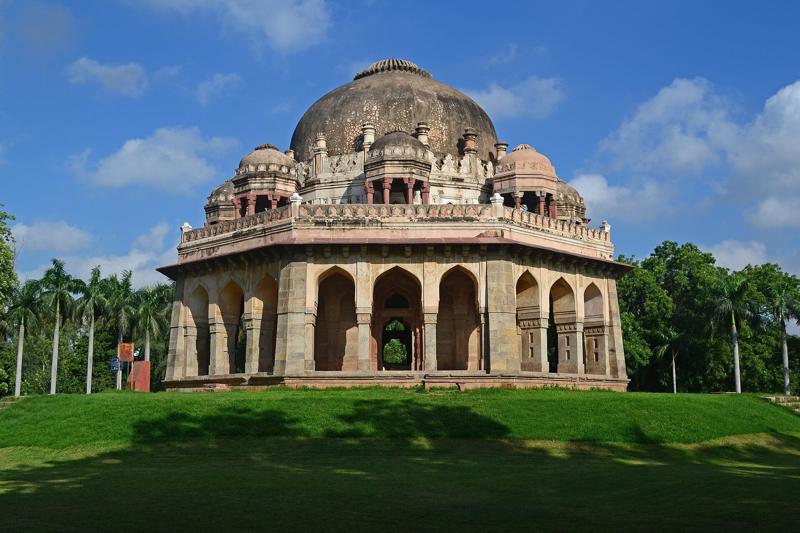
Golden Triangle at a gentle pace
Eight days through Delhi, Agra and Jaipur with a rest day built in, no day asking for more than one main outing, and drives kept to a few hours at a time.
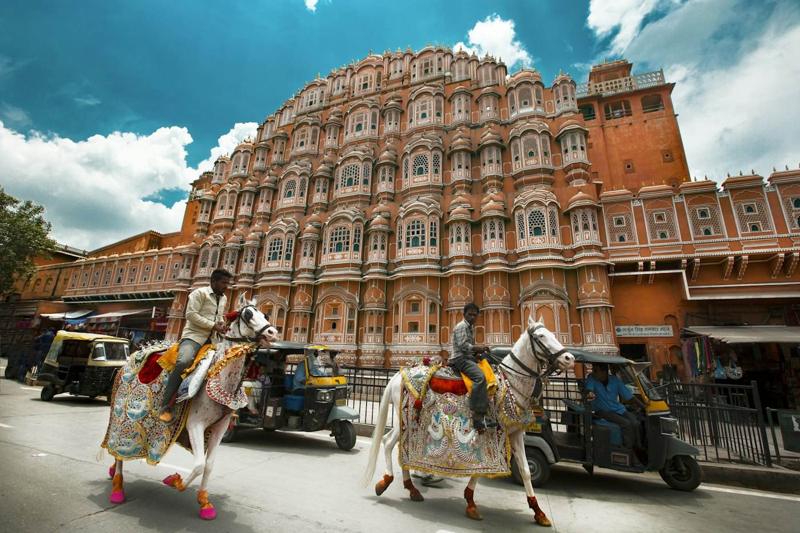
8-Day Golden Triangle, slowly
Eight days that slow the Golden Triangle down: a rest on arrival, a Delhi day, the Taj at first light, and two nights in Jaipur so the palaces can be seen in two relaxed halves.
Related guides
Tell us when you are travelling.
A short message is enough. We will come back with a plan, personally.
Enquire