A phone or a camera with a lens is normally fine, but drones, tripods and large camera bags are restricted at the Taj Mahal, and drones are not something you should plan on flying anywhere near it. The rules are set by the monument authorities and they change, so confirm the current list before you travel and pack light.
Photographers ask us this more than almost anything else, and it is a fair question. A good camera bag can hold a great deal of expensive equipment, and nobody wants to arrive at the gate and discover that half of it must stay behind. The short version is that the Taj Mahal favours people who travel light.
We are not the authority on these rules, and we will not pretend to be. The monument is run by the government bodies that look after it, and they decide what may be carried in. They have updated the list before and may do so again. What follows is how things have generally worked for our guests, and how we plan around them.
Who decides what you can carry
The list of permitted and prohibited items belongs to the monument authorities and the security staff at the gate. It is not set by tour companies, guides or drivers, and no one on our team can grant an exception. If an officer at the gate says an item stays outside, it stays outside.
These rules shift over time. Items that were tolerated one season can be turned away the next, and the strictness of checks can vary from day to day. For that reason we never quote a fixed list as if it were permanent.
The sensible habit is simple. Ask the official source or your guide close to your travel date, and treat anything you read online, including this page, as a general picture rather than a guarantee. Our team can tell you what guests were asked to leave behind in recent weeks.
Drones
Plan on not flying a drone at the Taj Mahal. The area around the monument is a restricted zone for security reasons, and drones are not welcome inside the grounds or in the airspace nearby. Bringing one to the gate is likely to cause delay and may lead to it being held or confiscated.
India also has its own national rules for registering and flying drones, and they apply to visitors as much as residents. Carrying a drone into the country can raise questions of its own at the airport, so read the current regulations before you pack one. Even leaving a drone at the hotel is a good idea, because carrying one around can attract the wrong kind of attention.
If aerial views matter to you, we suggest enjoying the building from the ground and from the riverside garden across the water instead. Our guide to Mehtab Bagh explains the view from there.
Tripods and monopods
Tripods are generally not allowed inside the Taj Mahal grounds. Security treats them as equipment that can obstruct walkways and get in the way of other visitors, and they are usually asked to be left outside or at the cloakroom if one is available.
Monopods fall in a grey area. Some guests have been allowed to carry a compact one and others have been turned back, so do not assume it will pass. We would rather you not rely on one.
The good news is that the Taj is bright for most of the day, and a steady hand, a wall or a stone ledge will do for most pictures. Dawn is the exception, and a higher ISO setting or a lens with stabilisation helps more than a stand ever could. Many photographers adapt quickly and are pleased with results from handheld shots.
Camera bags and what goes in them
Large backpacks and bulky camera bags are the items most likely to be sent back. Security wants to check what each visitor carries, and a big bag slows the queue. A small shoulder bag or sling is easier to clear than a full-size photography backpack.
A camera body with a lens or two, spare batteries and memory cards are normally accepted. Food, and items such as tobacco products, are on the restricted side, so keep your bag to the essentials and let your guide tell you what the officers are checking that morning.
Leaving the rest of your kit in the car or at the hotel is the practical answer. With a private car and driver waiting nearby, nothing needs to be carried that you will not use.
Photographing well with less equipment
Travelling light does not mean worse pictures. Most of the strongest photographs of the Taj Mahal are taken with one body and one or two lenses. A wide zoom handles the gardens and the full facade, and a short telephoto picks out the inlay, the minarets and the faces of other visitors if you ask first.
Think about where you will stand rather than what you will carry. The edges of the reflecting pool, the side of the platform and the corners of the gardens all give different angles, and a guide who knows them saves you from searching. Early light is gentle, so you rarely need extra gear to cope with harsh contrast.
Pack a clean cloth, spare batteries and a card you have already formatted. Leave filters, flashes and bulky accessories in the car unless you are sure you will use them. The less you carry, the less you will have to explain at security, and the more time you spend looking.
Lockers, cloakrooms and bag rules in general terms
Most large monuments in India offer some way to leave bags that are not allowed in, whether a cloakroom or a deposit counter near the entrance. Availability and arrangements near the Taj can change, and we would not rely on being able to leave expensive equipment with a stranger. A calmer visit is also a better visit, because you are looking at the building, not guarding your kit.
Our advice is to decide before you reach the gate which items you will carry in and which will stay in the vehicle. That way you are not repacking in a queue, and no valuable gear is left in the hands of someone you do not know.
When we plan a private journey, we ask in advance what you want to photograph and talk through the equipment. If you are visiting for photography and have questions, message us on WhatsApp or send the enquiry form and we will plan the morning around what you intend to carry.
People also ask
Can I fly a drone at the Taj Mahal?
Are tripods allowed inside the Taj Mahal?
Can I take my camera into the Taj Mahal?
Is a big camera backpack allowed at the Taj Mahal?
Where can I leave my bag if it is not allowed in?
Who can tell me the current Taj Mahal carrying rules?
Take it privately
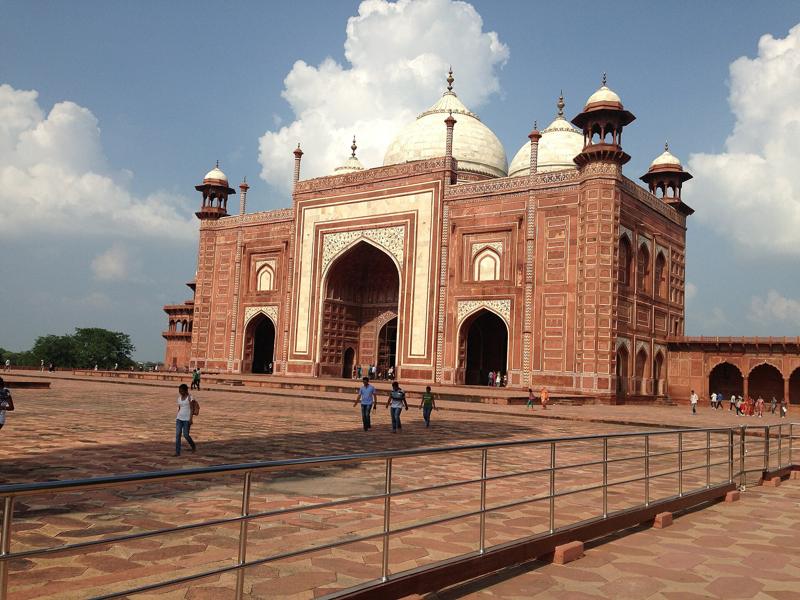
Golden Triangle for photographers
A seven-day Delhi, Agra and Jaipur journey built around light: early starts, golden-hour stops and time to stay at a scene rather than move on.
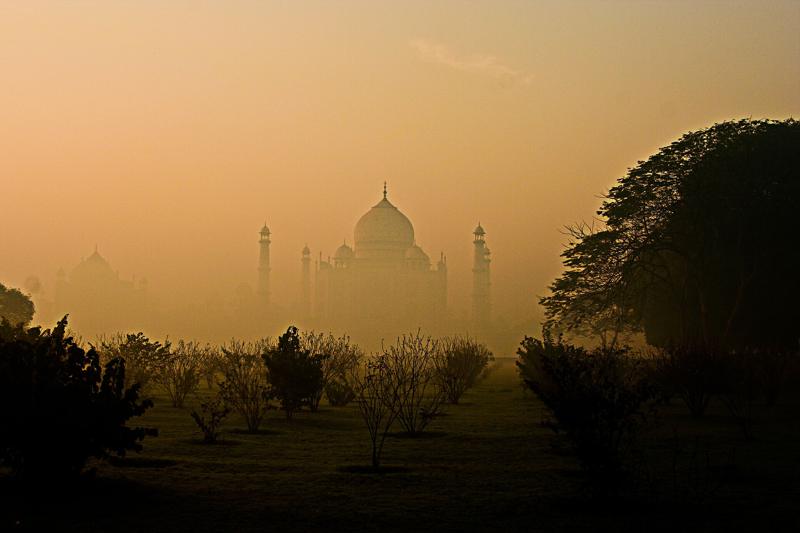
Taj Mahal at sunrise
An early morning at the Taj Mahal for guests already staying in Agra, with a driver at the hotel before first light and a licensed guide at the gate.
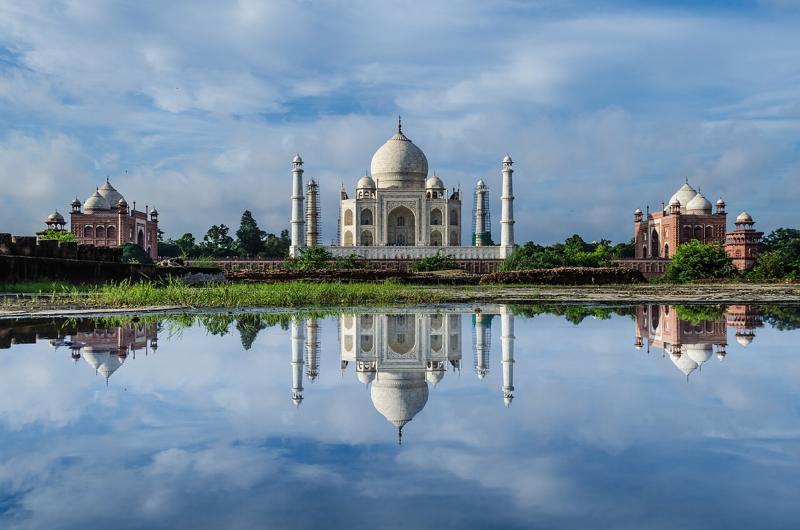
Taj Mahal overnight from Delhi
A two-day journey that stays one night in Agra, so you see the Taj Mahal at sunrise rather than in the middle of a long day.
Related guides
Tell us when you are travelling.
A short message is enough. We will come back with a plan, personally.
Enquire