The best Golden Triangle photography tour for Australian travellers is our Golden Triangle for photographers: seven days with two Taj Mahal mornings, Mehtab Bagh, Amber Fort and Jaipur viewpoints, from $410 per person, two travellers sharing. Plan it for October to March, when the light is clearest.
This page is for photographers flying in from Australia who care less about ticking off sights and more about when the light arrives. A good Golden Triangle plan for you is built backwards from sunrise and sunset: the Taj Mahal at first light, Mehtab Bagh across the river in the evening, Amber Fort while the sun is still low, and a Jaipur viewpoint as the day ends.
We ranked journeys by how much time they give you at a scene, how flexible the start times are, and whether the car and driver wait while you work. We also keep the rules in view. Tripods and large bags are not allowed inside the Taj Mahal, and drones are restricted at monuments in India, so please check the current rules with us when we plan.
Golden Triangle for photographers
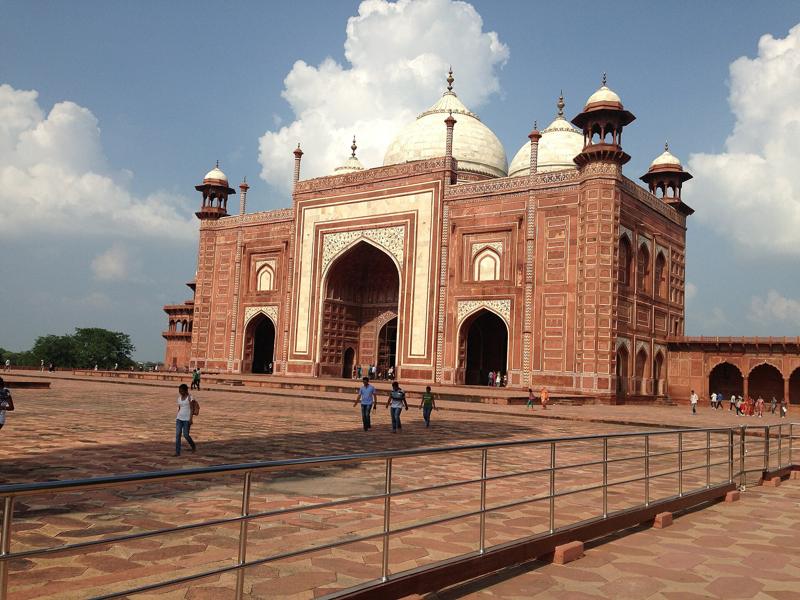
- 7 days / 6 nights
- Delhi · Agra · Jaipur
- Own car and driver, licensed guide
This is the journey built around light. Over seven days you reach Old Delhi's lanes in morning shafts of sun, then drive to Agra for Agra Fort and Mehtab Bagh at sunset, and enter the Taj Mahal at first light on two separate mornings. A second visit matters because fog or haze can ruin one sunrise. In Jaipur you are at Amber Fort early, stop at the Jal Mahal, and drive up towards Nahargarh Fort for the sun going down over the city.
It suits serious amateurs and working photographers who want start times set by the sky, not by a coach schedule. Your private car and licensed guides help you find positions, and a non-photographing partner can wait at a cafe. It starts from $410 per person, two travellers sharing. The honest limit is early alarms: two pre-dawn starts in Agra, and a tripod will not be accepted inside the Taj.
Best for: Photographers who want two Taj Mahal mornings, river light at Mehtab Bagh and flexible start times.
Worth knowing: Tripods and large camera bags are not allowed in the Taj Mahal, and a monopod may be refused too, so we check the rules when we plan.
7-Day Private Golden Triangle
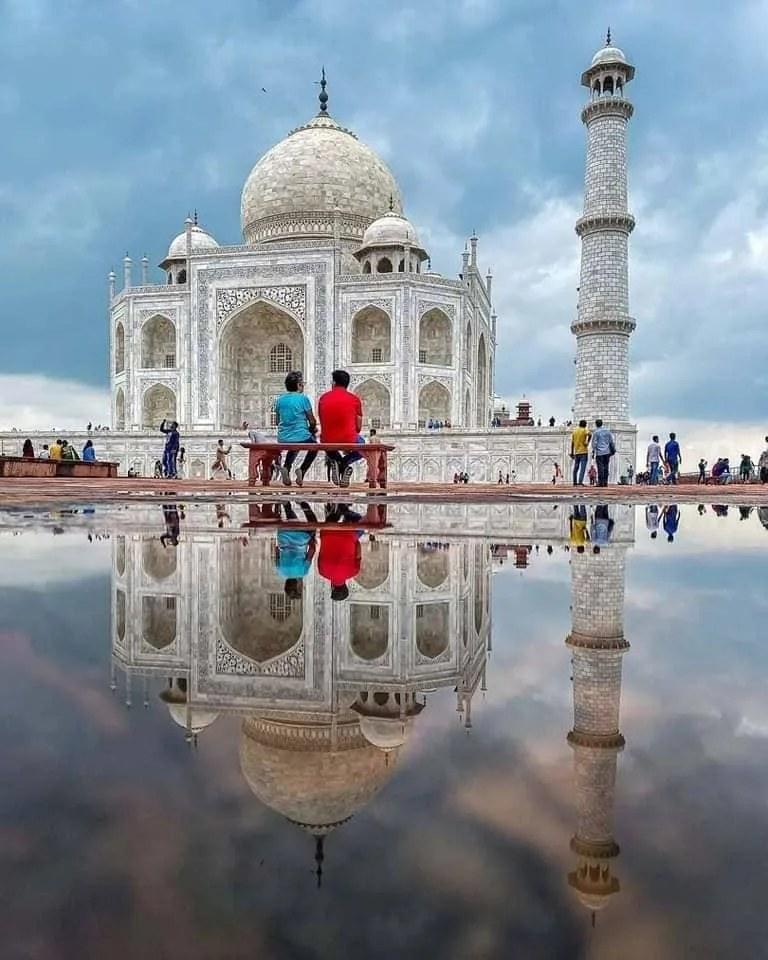
- 7 days / 6 nights
- Delhi · Agra · Jaipur
- Own car and driver, licensed guide
If you are travelling with people who do not share your enthusiasm for 4 a.m. starts, this is the calmer alternative. You still get the Taj Mahal at first light, Agra Fort, Fatehpur Sikri's sandstone courtyards, and a full Jaipur day starting at Amber Fort, with the Jal Mahal photo stop on the way back. Because Delhi and Agra are paced gently, there is room to ask the guide to linger where the light is good.
It suits couples or families where one person carries the camera and the others want a normal holiday. You have your own car and driver and a licensed guide in each city, from $410 per person, two travellers sharing. The honest limit is that it has one Taj Mahal visit, not two, so a foggy morning in winter would leave you relying on a later start or a sunset view from Mehtab Bagh.
Best for: A photographer travelling with non-photographers who still wants sunrise at the Taj Mahal and a full Jaipur day.
Worth knowing: There is one planned Taj Mahal visit, so a foggy December or January morning could reduce your options.
5-Day Private Golden Triangle
- 5 days / 4 nights
- Delhi · Agra · Jaipur
- Own car and driver, licensed guide
Five days suits a photographer with little leave who wants the main frames and accepts a quicker rhythm. You spend a day in Old and New Delhi, reach Agra for the fort in the afternoon, see the Taj Mahal at first light, then take the road west with Fatehpur Sikri and finish in Jaipur at Amber Fort and the old city bazaars before the drive back to Delhi.
It suits a short trip, or a first scouting visit before a longer return. Your private car and driver stay with you, and a licensed guide meets you in each city, from $320 per person, two travellers sharing. The honest limit is time at each scene. You will have one chance at the Taj Mahal, and Jaipur is a single day, so there is less space to wait for the right light or revisit a view.
Best for: Photographers with about five days who want the main viewpoints and a single guided Taj Mahal sunrise.
Worth knowing: Days are fuller than on the seven-day plans, with less time to wait for light or return to a place.
Agra at sunset
- 1 day
- Agra
- Own car and driver, licensed guide
This is not a full journey. It is an evening in Agra, timed so you reach Mehtab Bagh in the last hour or so before sunset. The garden sits on the far bank of the Yamuna and lines the Taj Mahal up across the water, so the marble shifts from white to gold to rose while you work. Afterwards the car returns to Kinari Bazaar in the old city as the lamps come on, which gives you street scenes at dusk.
It suits anyone who already has Agra nights in their plan, or who wants a second try at the Taj Mahal at a different hour. It starts from $18 per person, two travellers sharing. The honest limit is the view itself: this is the Taj from across the river, not inside it, and cloud, haze or winter fog can dull the sunset, so we cannot promise a clear sky.
Best for: Photographers who want the river view of the Taj Mahal in evening light, and old city street scenes at dusk.
Worth knowing: The Taj Mahal interior is closed in the evening on normal days, and sunset colour depends on the weather.
How to choose between these
- Choose the photographers journey if the pictures are the point of the trip and you are happy with early starts, since it is the only plan with two Taj Mahal mornings.
- Choose the seven-day private journey if you share the trip with people who prefer a normal pace and are content with one sunrise visit.
- Choose five days only if leave is short, and accept that you will have less time to wait for the light at each place.
- Travel between October and March for the clearest light. In December and January fog can flatten a Taj Mahal sunrise, and from April the heat and haze build, so your Australian summer holiday falls in the right Indian season.
- Ask us about tripod, monopod, drone and lens rules before you pack, because they are set by each monument and can change. The Taj Mahal is closed on Fridays, so we match your dates to the plan.
People also ask
Which months suit photography from Australia?
Can I use a tripod at the Taj Mahal?
Can I fly a drone in India?
Is the Taj Mahal best at sunrise or sunset?
How many days do I need as a photographer?
What time difference should I expect from Australia?
Is the pace suitable for a partner who does not take photos?
How is payment arranged?
More best-of lists
Tell us when you are travelling.
A short message is enough. We will come back with a plan, personally.
Enquire