A short Rajasthan journey that begins with a full day in Jaipur and then moves west to Pushkar, a small holy town built around a lake. It suits travellers who want one busy city and one quiet stop, without a long itinerary. You travel with your own car, driver and a licensed guide in Jaipur.
Highlights
What stays with you
Amber Fort and the City Palace in Jaipur
The old bazaars of Jaipur in the late afternoon
A drive west over the Aravalli ridge to Pushkar
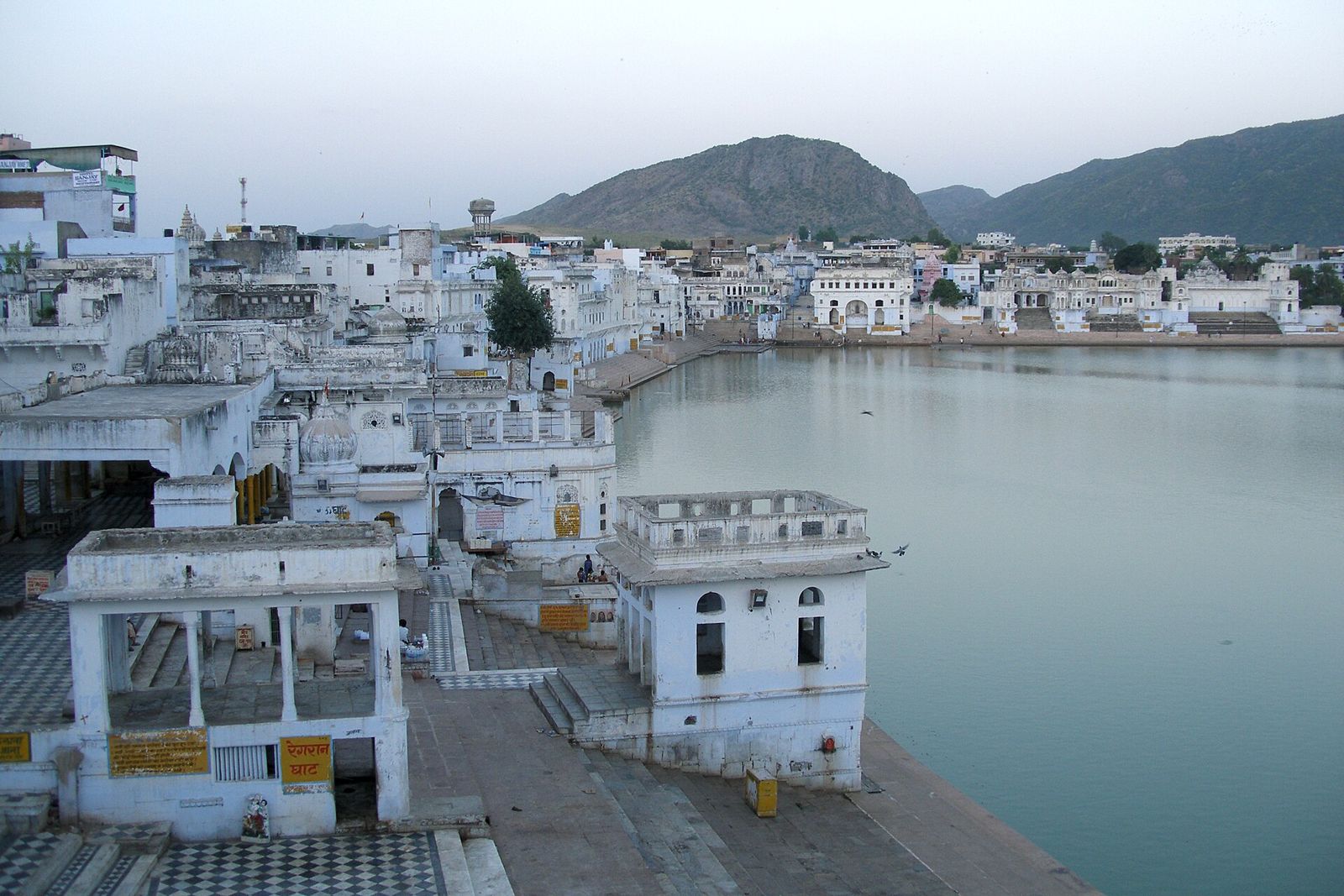
The lake ghats and the town's temples, visited with respect
A slow afternoon in a small desert-edge town
Day by day
How the days go
Day1
Jaipur: Amber Fort and the old city
Your driver meets you at the airport, the station or your hotel, and your guide joins you for the day.
Start at Amber Fort while the courtyards are still shaded.
You climb the ramp or go up by vehicle, then walk through the mirrored hall and the palace rooms with your guide.
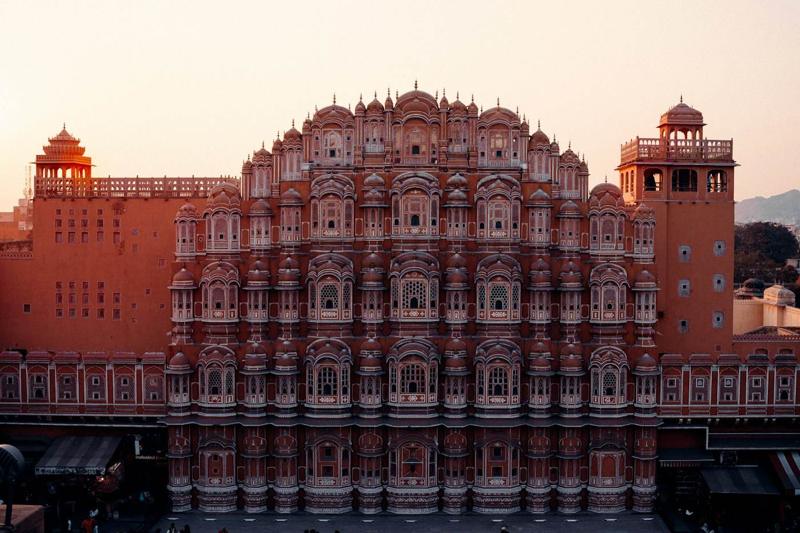
On the return the car stops for the Hawa Mahal, seen from the street.
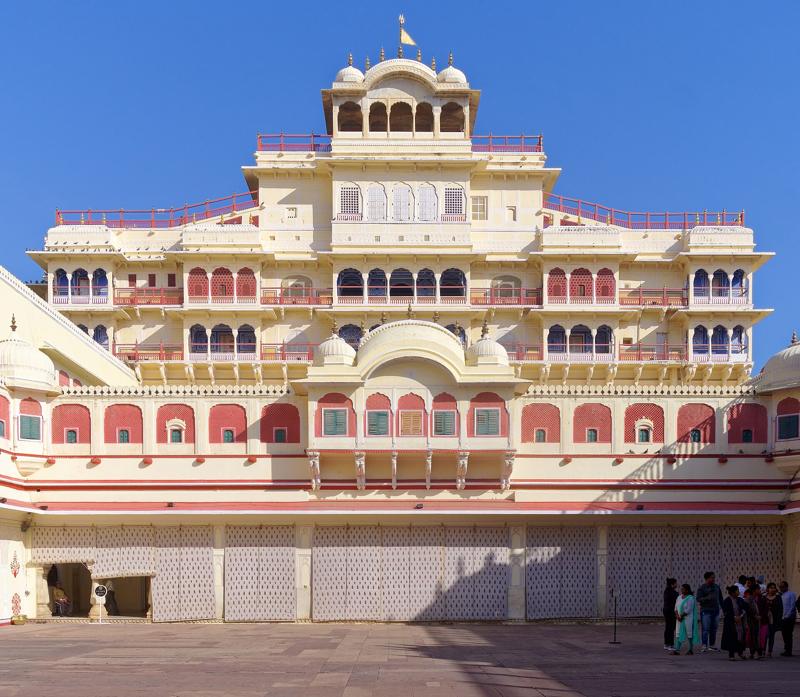
After lunch you visit the City Palace, part of which is still a royal residence, and the Jantar Mantar observatory with its large stone instruments.
Late in the afternoon, the old bazaars are yours for an hour or two: block-printed fabric, silver, leather shoes and blue pottery.
Dinner is at a local restaurant your guide suggests.
Carry a light scarf and comfortable shoes.
Day2
Jaipur to Pushkar
Drive: four hours
After a relaxed breakfast you leave Jaipur and drive west to Pushkar.
The journey takes roughly three and a half to four hours, with a stop for tea or lunch on the highway.
The last stretch crosses the Aravalli ridge, and Pushkar appears in a small basin beside its lake.
You check in and rest, then walk down to the water in the late afternoon when the light is soft and the town slows down.
Pushkar is a holy place for Hindus.
Dress modestly with shoulders and knees covered, remove shoes at the ghats, and ask before photographing people at prayer.
Your guide explains what is going on and where visitors may stand.
We do not promise any particular ceremony, since timings vary.
Day3
Pushkar: the lake and a slow afternoon
Pushkar is best taken gently.
In the morning your guide walks you along the ghats, where pilgrims bathe and the lake is calm, and explains the story of the town and its temples.
Visitors are asked to be quiet and respectful, and some areas do not permit photographs at all, so your guide will tell you where to put the camera away.
Afterward you can walk through the bazaar behind the lake, with its tea stalls, textiles, silver and prayer beads.
Lunch is in town, and the centre keeps to vegetarian food.
The afternoon is free to rest or wander.
At the end of the day your driver takes you to Ajmer station, or on to Jaipur or another onward point by arrangement.
The drop at Ajmer is included; travel beyond it is not.
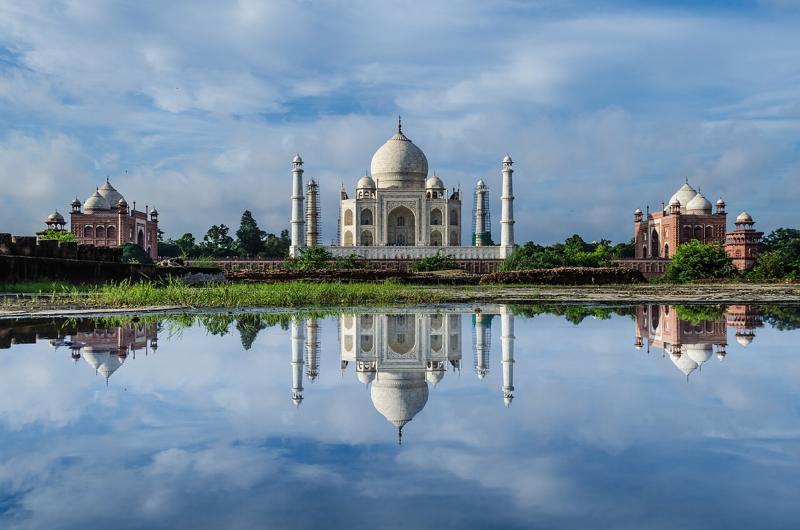
Note. The Taj Mahal is closed on Fridays, so the order of days may shift. December and January fog can flatten a sunrise.
Practical
Good to know
Pushkar is a holy town: dress modestly, remove shoes at the ghats and ask before photographing people, especially at prayer.
Meat, eggs and alcohol are not sold in the central town, so meals there are vegetarian.
The drive from Jaipur to Pushkar takes roughly three and a half to four hours.
The journey ends with a drop at Ajmer station; onward trains, flights or a return to Jaipur beyond that drop are not included.
The details
Included, and not
Included
Private air-conditioned car and driver throughout
Licensed local guide in each city
Hotels in your chosen category, breakfast daily
Airport or hotel pickup and drop
Bottled water in the car
WhatsApp support from our Agra team
Not included
International and domestic flights
Monument entry tickets (we arrange them at cost)
Lunches and dinners
Tips for guides and driver
Travel insurance and visas
Questions
Good to know
How long is the drive from Jaipur to Pushkar?
It takes roughly three and a half to four hours with a stop. The road is straightforward and crosses the Aravalli ridge on the final stretch before the town.
What should we wear in Pushkar?
Dress modestly, with shoulders and knees covered, and carry a light scarf. Shoes come off at the ghats, so slip-on footwear is easiest, and your guide will say where photographs are not welcome.
Will we see a ceremony at the lake?
We cannot promise one. Prayers and rituals happen at the ghats through the day, but timings vary, and your guide explains what you are seeing and how to watch respectfully.
Where does the journey end?
It ends at the end of day three with a drop at Ajmer station, or at Jaipur or another onward point by arrangement. Travel beyond the drop is not included.