Sixteen days that cover Delhi, Amritsar's Golden Temple, the Taj Mahal, Ranthambore's tigers, Jaipur, Udaipur and a finish in Varanasi. It is a long, varied journey, with a driver and guide in each city, and several internal legs that are not included flights. Pace varies, with rest days in the middle to keep it comfortable.
Highlights
What stays with you
The Golden Temple at Amritsar and the Wagah border ceremony
The Taj Mahal at sunrise and Agra Fort
Safari drives at Ranthambore, where tiger sightings are never guaranteed
Amber Fort and the old city of Jaipur
Lake Pichola and the City Palace in Udaipur
Dawn boat ride on the Ganges at Varanasi
Day by day
How the days go
Day1
Arrival in Delhi
Your driver meets you after you clear arrivals and takes you to your hotel, which is arranged by category, five-star or heritage.
The rest of the day is free, because the first evening of a long journey is best spent sleeping.
If you arrive early and feel well, a short drive past India Gate and through the wide avenues of New Delhi can be added.
Your guide will call you in the evening to confirm tomorrow's plan, and to hear your arrival time, any dietary needs and any walking limits.
Long itineraries work best when the guide knows you well from the first day.
Drink water, have a light dinner and go to bed early.
Day2
Delhi, old and new
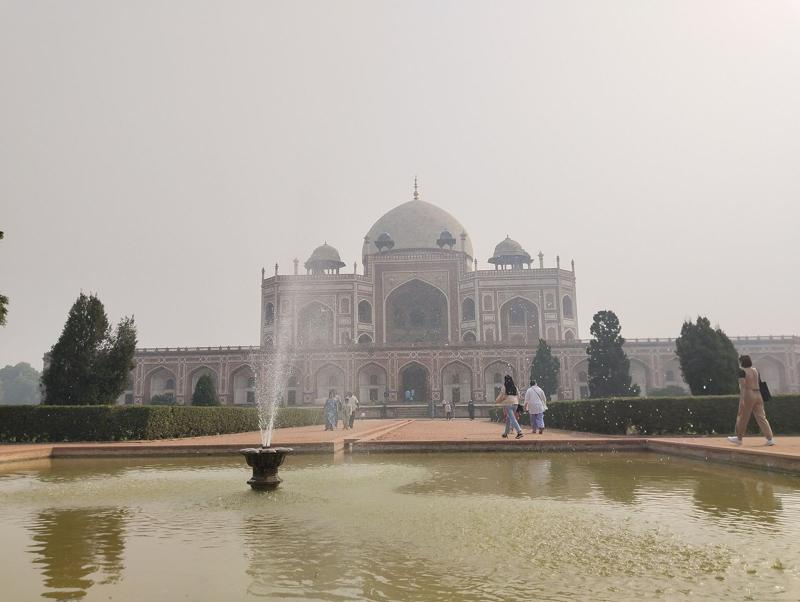
After breakfast, your guide and driver start at Humayun's Tomb, the garden tomb that predates the Taj, and then drive to the Qutub Minar complex, with its tall brick tower and ancient iron pillar.
After lunch, spend the afternoon in Old Delhi: see the Jama Masjid, walk into the lanes of Chandni Chowk and, if you have time, see the Red Fort from outside.
The Red Fort is closed on Mondays.
Old Delhi is crowded and noisy, so carry little and stay close to your guide.
Return to the hotel in the late afternoon.
Tomorrow's journey to Amritsar is not included, so keep your tickets safe.
Wear shoes that slip off easily, since tombs and temples ask you to remove them, and bring a hat for the open lawns at midday.
Day3
Delhi to Amritsar
Today you travel to Amritsar by train or flight, which is not included.
The flight takes roughly an hour and a half, and the fastest train roughly five to six hours.
Your driver takes you to the airport or station in Delhi, and a local driver meets you in Amritsar.
After checking in, rest, then in the late afternoon your guide takes you to Jallianwala Bagh, the walled garden where a massacre took place in 1919, and the nearby Partition Museum, which tells the story of 1947.
Both are sober but important.
Wear modest clothes, and keep your voice low.
Dinner is simple, and Punjabi food is generous and rich.
Day4
Amritsar and the Golden Temple
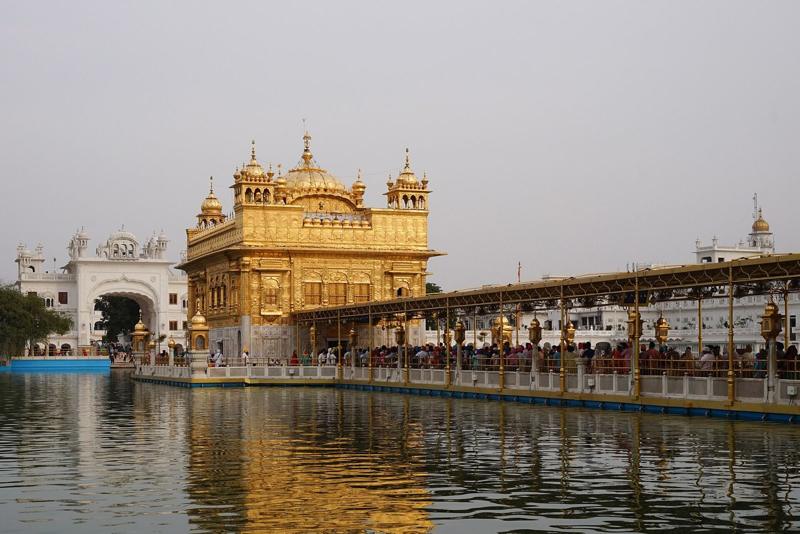
Rise early to visit the Golden Temple, the holiest shrine of the Sikh faith.
Cover your head, remove your shoes and wash your feet at the entrance.
Your guide walks you around the pool, where the gilded sanctum floats in the water, and explains the customs.
The langar, the communal kitchen, serves free meals to thousands every day, and you may eat there if you wish.
Return to the hotel for a rest.
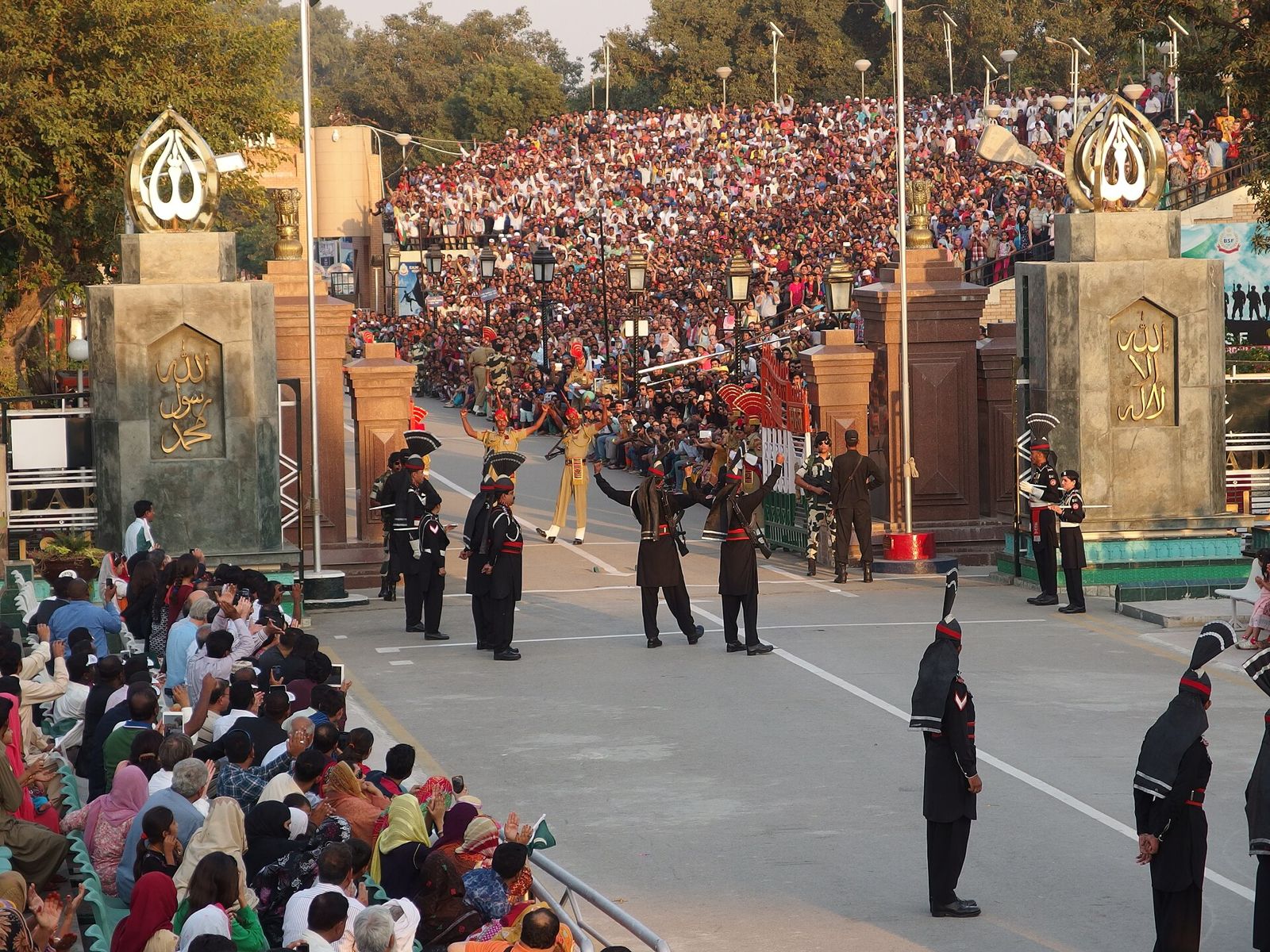
In the afternoon, drive roughly an hour to the Wagah border, where Indian and Pakistani guards perform a loud, theatrical flag-lowering ceremony at sunset.
Seats fill early and the crowd is large, so the guide advises on timing.
Return to the hotel for dinner.
Day5
Amritsar to Delhi
After breakfast, a last visit to the Golden Temple's outer courtyard, or a short walk through the old city markets for spices and fabric, can be added if you want.
Your driver takes you to Amritsar station or airport for your journey back to Delhi, which is not included.
The flight takes roughly an hour and a half, the train roughly five to six hours.
In Delhi, your driver meets you and takes you to the hotel.
The evening is free.
Use it to repack and rest.
Tomorrow's drive to Agra is the first of several long road legs, so go to bed at a sensible time and drink plenty of water.
Day6
Delhi to Agra
Leave Delhi after breakfast and drive south on the expressway to Agra.
The journey takes roughly three and a half to four hours, with a rest stop.
You arrive around lunchtime and check in.
In the afternoon your guide takes you to Agra Fort, the red sandstone fortress of the Mughal emperors, where Shah Jahan spent his last years looking toward the Taj.
The late light on the red stone is warm and good for photographs.
Dinner is early, because the Taj visit begins before dawn.
The Taj Mahal is closed on Fridays, so if tomorrow is a Friday, we visit the Taj today and use the fort tomorrow.
Keep a light layer in the car, since the air-conditioning can feel cool after the warm hotel lobby, and drink water along the way.
Day7
The Taj at first light
Drive: roughly five hours
You leave the hotel in the dark to reach the Taj Mahal as the gates open.
Tickets are arranged for you.
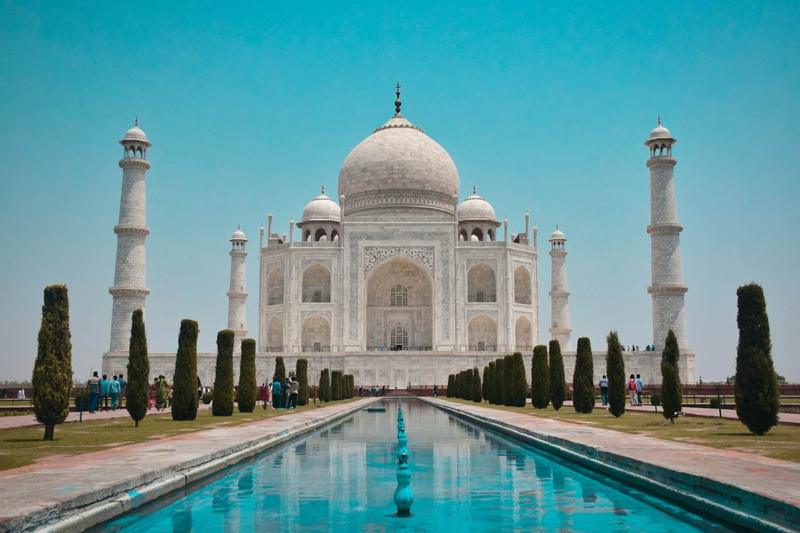
The white marble shifts from grey to gold as the sun rises, and your guide explains the building, the garden and the inlay.
In December and January, fog can flatten the sunrise.
After breakfast and a rest, visit Itimad-ud-Daulah, a small inlaid tomb on the river, or the Mehtab Bagh garden for another view of the Taj.
The afternoon is free, so you can rest or shop for marble inlay.
Tomorrow is a long drive to Ranthambore, roughly five hours, so pack the night before.
Carry a light scarf for the cold hours before sunrise, and take only a small bag, as large bags are not allowed inside the Taj grounds.
Day8
Agra to Ranthambore
Drive: roughly five hours
Leave Agra after breakfast.
The drive to Ranthambore takes roughly five hours, and passes through Bharatpur and Rajasthan's dry country.
A stop at Keoladeo National Park in Bharatpur is possible if you want to see birds, but it extends the day.
Lunch is on the road.
You reach the lodge in the afternoon, check in and rest.
If you wish, your guide can arrange a short walk in the grounds.
In the evening, the guide explains how safari zones are allocated and what to expect.
Dress in layers for tomorrow's dawn start, and prepare for cold air in the open vehicle during winter.
Dinner is early.
The roads are busy with trucks, so your driver will not rush, and a break every ninety minutes or so keeps the day comfortable.
Day9
Ranthambore safari day
The morning safari starts shortly after dawn in an open vehicle.
Your naturalist drives slowly through dry deciduous forest, past lake edges and ruined pavilions, watching for alarm calls from langurs and deer.
Expect sambar, spotted deer, peacocks, wild boar and perhaps a leopard or sloth bear.
Tiger sightings are never guaranteed.
Return to the lodge for a late breakfast and rest at midday.
The afternoon safari leaves around three and may go to a different zone.
If energy allows, a visit to Ranthambore Fort, inside the park, offers views over the lakes and forest.
The climb is steep, so only go if you feel fit.
Dinner is early.
Your naturalist adjusts the afternoon to what you most want to find, whether that is tigers, birds or the smaller details of the forest.
Day10
Ranthambore to Jaipur
Drive: roughly four hours
Leave after breakfast, or after an optional short morning safari if the schedule allows.
The drive to Jaipur takes roughly four hours on good roads, with a stop for lunch.
You arrive in the early afternoon and check in.
After a rest, your guide takes you into the old city: the Hawa Mahal facade from the street opposite, the bazaars and, if time allows, the City Palace.
The pink-washed walls glow in the late afternoon.
Dinner is at the hotel or a restaurant your guide suggests.
Tomorrow is a full Jaipur day, so rest tonight.
Stay with your guide in the bazaars, where the lanes are busy and narrow, and carry a small bag.
If the safari mornings have tired you, the city tour can be shortened to a single stop, and the rest of the evening left free for dinner and sleep.
Tomorrow is a full day with an early start.
Day11
Jaipur, Amber and the old city
Start at Amber Fort in the early morning, when the light is clear and the crowds are still thin.
The courtyards, the Sheesh Mahal mirror hall and the gateways take roughly two hours.
After lunch, visit the City Palace, a working royal residence with museum rooms, and Jantar Mantar, the astronomical observatory with huge stone instruments.
Hawa Mahal is photographed from outside.
For sunset, your driver can take you to a viewpoint above the city.
Wear comfortable shoes, since stone floors in the forts are uneven and can be slippery.
Block-printing workshops and gem cutters can be added if you are interested, and this can be discussed when we plan.
Day12
Jaipur to Udaipur
Drive: roughly six to seven hours
This is one of the longest drives of the journey, roughly six to seven hours, with stops.
Leave after breakfast.
The road crosses Rajasthan's dry plains and then climbs into the Aravalli hills.
A good break is Ajmer or the roadside around Chittorgarh, depending on timing.
Lunch is on the road.
If the schedule allows, a stop at the Ranakpur Jain temples is possible, but it extends the day.
You reach Udaipur in the late afternoon and check in.
The city sits around lakes, and the evening air is gentler than in Jaipur.
Rest, then take a short walk along the lakefront if you wish.
Dinner is at the hotel or a restaurant your guide suggests.
Day13
Udaipur, lakes and palaces
Start with the City Palace, a large complex of courtyards, balconies and museum rooms on the edge of Lake Pichola.
Your guide explains the Mewar dynasty and shows you the best views of the lake.
Next is Jagdish Temple, a short walk away, and the old city bazaars.
After lunch and a rest, visit Saheliyon ki Bari, a small garden with fountains, then take a boat on Lake Pichola in the late afternoon.
The boat passes the Lake Palace and the ghats as the light fades.
Dinner can be at a rooftop restaurant overlooking the water.
The pace is gentle, and Udaipur is a good place to slow down.
Mornings are cooler here, so a walk along the lakefront before the palace opens is pleasant if you wake early.
Your guide can also point out which rooftop restaurants have the best views, and the driver waits close to the palace gate when you finish.
Day14
Udaipur to Delhi
Drive: roughly twelve hours
Today you return to Delhi.
The road journey is very long, roughly twelve hours or more, so we recommend a flight, which is not included.
Your driver takes you to Udaipur airport in the morning.
The flight takes roughly an hour and a half.
In Delhi, your driver meets you and takes you to your hotel.
The afternoon is free.
Rest, repack and get ready for tomorrow's flight to Varanasi.
If you wish to drive instead, it can be discussed when we plan, but it will take the whole day and the following morning will be tired.
Flights are not included, so book a morning departure to keep the afternoon in Delhi free.
Your guide checks your timing the evening before, and the driver collects you from the hotel with enough margin for the airport road.
Day15
Delhi to Varanasi
Your driver takes you to Delhi airport for your flight to Varanasi, which is not included.
The flight takes roughly an hour and a half.
Your local driver meets you in Varanasi and takes you into the city, roughly an hour away.
Check in and rest through the heat of the day.
In the late afternoon, your guide takes you to the ghats, where you walk along the river and take a boat to watch the evening Ganga aarti at Dashashwamedh Ghat.
It is crowded, with fire, bells and chanting.
Dress modestly, keep your valuables close and stay with your guide.
Dinner is simple.
Pack a small day bag for the ghats, keep your phone and wallet zipped away, and leave jewellery at the hotel.
The boat ride the next morning starts early, so go to bed soon after dinner.
Day16
Varanasi and the Ganges
Wake before sunrise for a boat ride on the Ganges.
A rowing boat carries you along the ghats as the light grows, past bathing pilgrims, priests and yoga on the steps.
You pass Manikarnika, the main cremation ghat, and should not photograph the pyres.
Return to the hotel for breakfast.
Later, drive roughly thirty minutes to Sarnath, where the Buddha is said to have given his first teaching, and see the Dhamek Stupa and the museum.
After lunch and a rest, walk through the old lanes with your guide, past small temples and silk weavers.
Your driver takes you to the airport or station at the end of your stay, and your guide confirms the timing the night before.
Note. The Taj Mahal is closed on Fridays, so the order of days may shift. December and January fog can flatten a sunrise.
Practical
Good to know
The Taj Mahal is closed on Fridays and the Red Fort on Mondays, so we order those days with care.
Flights or trains to Amritsar, back from Udaipur and to Varanasi are not included.
Sixteen days involve several long drives, especially Jaipur to Udaipur, so expect to spend some hours in the car.
Winter fog can delay flights and flatten sunrises, so build flexibility into any connections.
The details
Included, and not
Included
Private air-conditioned car and driver throughout
Licensed local guide in each city
Hotels in your chosen category, breakfast daily
Airport or hotel pickup and drop
Bottled water in the car
WhatsApp support from our Agra team
Not included
International and domestic flights
Monument entry tickets (we arrange them at cost)
Lunches and dinners
Tips for guides and driver
Travel insurance and visas
Questions
Good to know
Is this journey too long for one trip?
It is long, but the rhythm is varied: city days, a wildlife stop, two rest-style days and a river city at the end. Guests who find sixteen days too much can ask for a shorter version.
Which parts need flights or trains?
Delhi to Amritsar and back, Udaipur to Delhi and Delhi to Varanasi. Flights are not included, and we advise on timing when we plan.
Will I see a tiger at Ranthambore?
We cannot promise it. Ranthambore is among the better places in India to see tigers in daylight, and we plan several safari drives to improve your chances.
What is the best season for this route?
October to March gives the most comfortable weather across all cities. Ranthambore is closed to safaris during the monsoon, and summer is very hot in Rajasthan.
Rates on request
Tell us when you are travelling.
A short message is enough. We will come back with a plan, personally.